Desserts
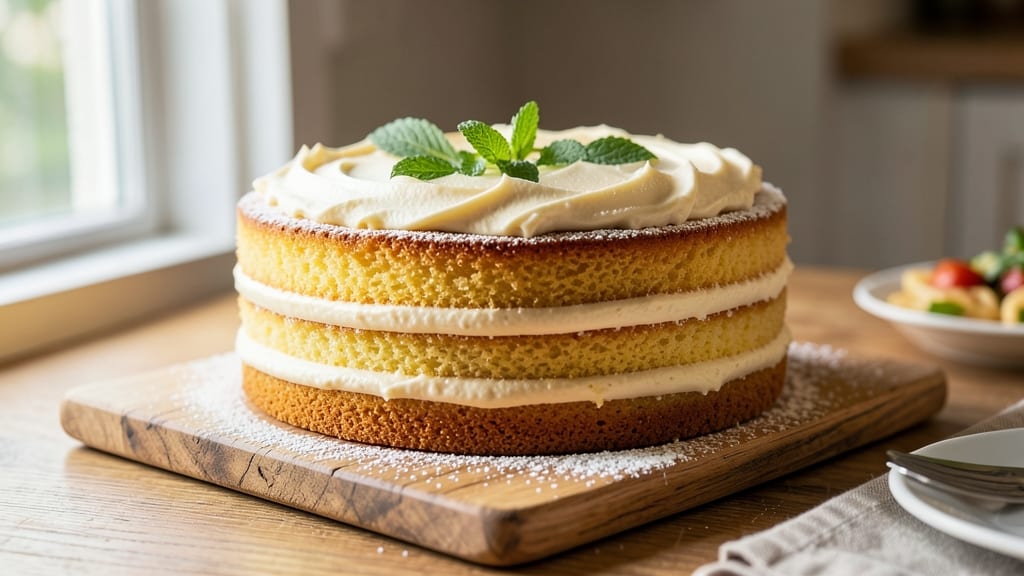
This 13x9 yellow cake recipe delivers the perfect balance of tender crumb and rich vanilla flavor—ideal for sheet cakes, layering, or serving whole. The creaming method ensures a light, moist texture that stays fresh for days, while precise baking at 350°F guarantees even browning without a dry crumb.
Whether you're baking for a celebration or a simple dessert, this foolproof technique adapts seamlessly to classic or modern twists.
The secret to success lies in room-temperature ingredients and gentle folding to maintain airiness in the batter. For extra moisture, I recommend adding a splash of buttermilk or sour cream, which keeps the cake tender even after cooling.
Baking in a 13x9 pan ensures a generous serving size, perfect for sharing or decorating with silky vanilla frosting or a glossy glaze.
Once baked, let the cake cool completely before frosting to prevent melting—this step is critical for that professional finish. The result is a golden, evenly baked cake with a fine crumb and subtle vanilla notes that pair beautifully with any frosting or filling.
For variations, try adding citrus zest or a pinch of salt to enhance flavor depth.
This recipe scales effortlessly for gatherings or meal prep, making it a versatile choice for any occasion. The triple-layered height mentioned in the title can be achieved by baking two pans and layering with filling, or simply serving the full sheet cake for a rustic appeal. Ready to bake?
Ingredients for 13x9 yellow cake
Twelve essential ingredients transform your kitchen into a bakery—light, tender crumb meets silky frosting perfection.
| Ingredient | Amount | Notes |
|---|---|---|
| All-Purpose Flour 🌾 | 3 cups | Sifted for light texture |
| Granulated Sugar 🍚 | 2 cups | Superfine preferred for smoothness |
| Unsalted Butter 🧈 | 1 ½ cups | Room temperature, softened |
| Large Eggs 🥚 | 4 whole | Room temperature for even baking |
| Pure Vanilla Extract 🌸 | 2 tsp | High-quality, no imitation |
| Baking Powder 🍞 | 2 tsp | Diamond Crystal preferred |
| Salt 🧂 | ½ tsp | Fine sea salt preferred |
| Buttermilk 🥛 | 1 cup | Room temperature for moisture |
| Vanilla Frosting 🧁 | 2 cups | Store-bought or homemade recipe |
| Powdered Sugar 🍚 | 1 cup | For glaze if desired |
| Heavy Cream 🥛 | ¼ cup | For glaze, cold |
| Lemon Zest 🍋 | 1 tbsp | Optional for brightness |
| Vanilla Bean Paste 🌸 | 1 tsp | For enhanced vanilla flavor |
The flour and butter are the foundation—King Arthur or Gold Medal all-purpose flour ensures a tender crumb, while Plugrá or Land O’Lakes unsalted butter (cultured, not salted) adds richness. For the vanilla, Madagascar bourbon or Tahitian vanilla extract elevates flavor beyond imitation. Room-temperature ingredients are non-negotiable; cold butter creates dense cake, and chilled eggs won’t blend properly. Baking powder must be fresh—test by mixing with water; if it fizzes, it’s active. The buttermilk adds moisture without altering flavor, but substitute with milk + 1 tsp vinegar if unavailable.
No buttermilk? Plain yogurt or sour cream works in a pinch, though texture may vary slightly. For extra moisture in dry climates, add 1 tbsp aquafaba to the batter. The vanilla frosting can be store-bought (Betty Crocker or homemade), but for a restaurant-quality finish, use powdered sugar, softened butter, and heavy cream—whip until glossy. Lemon zest brightens the cake, but zest only the outer layer to avoid bitterness. The vanilla bean paste is optional but worth the splurge for a professional touch. Pre-measure all dry ingredients to avoid mid-bake adjustments—precision is key for even layers.
Store baked cake layers wrapped in plastic wrap at room temperature for 2 days or refrigerate for 5 days. For longer storage, freeze layers individually for up to 3 months—thaw overnight before frosting. The frosting keeps 3 days refrigerated or 1 month frozen. To achieve triple-layered height, bake two pans and layer with vanilla buttercream or lemon curd. For a rustic appeal, serve the full sheet cake with a dusting of powdered sugar. Always cool cakes completely before frosting to prevent melting—this is the secret to that professional finish.
Why You'll Love This Recipe
- No Mixer Needed: I swear by this recipe when my stand mixer’s on vacation—just creaming butter and sugar by hand gives that perfectly tender crumb. The eggs and vanilla blend right in without fuss, and honestly? The cake’s so forgiving I’ve even made it with slightly melted butter once. (Don’t tell anyone.)
- Butter-Sugar Magic: That rich, buttery crumb? It’s the real star. The sugar dissolves just enough to keep it moist but not gummy, while the vanilla extract (don’t skimp!) adds this warm, homey depth. One bite and you’ll forget about boxed cake—promise.
- Bakes Like a Dream: This recipe’s my go-to for birthdays, potlucks, or just because. It fills a 13x9 pan just right—no overbaking, no underwhelming slices. And between us? It’s the base I use for sheet cakes, trifles, or even breakfast cake. (Yes, really.)
- Budget-Friendly Staples: Flour, sugar, butter, eggs—these are pantry basics that always deliver. A single batch costs less than takeout and stretches for leftovers, lunches, or a snack attack. Plus, the ingredients last forever, so it’s basically free money for dessert.
Step-by-step instructions for triple-layered yellow cake
Precision matters here—follow these steps exactly for a cake with perfect rise and silky texture.
Cream Butter and Sugars to Ribbon Stage
In a stand mixer fitted with the paddle attachment, beat the 1.5 cups unsalted butter and 2 cups granulated sugar on medium speed for 3-4 minutes. You're aiming for a light, fluffy texture that nearly doubles in volume and leaves faint ribbons when the beaters are lifted. This aeration creates the cake's signature tenderness.
I press down on the butter mixture occasionally during the first minute to ensure everything is fully incorporated. If the mixture looks grainy at first, don't worry—it will emulsify as you continue beating. The sugar should dissolve completely, leaving a smooth, pale yellow mixture. This step is non-negotiable for proper cake structure.
Incorporate Eggs and Dry Ingredients
Add the 4 whole large eggs, one at a time, mixing on low speed for 10-15 seconds after each addition. This gradual incorporation prevents curdling. After the eggs are fully incorporated, add the 2 tsp pure vanilla extract and 1 tsp vanilla bean paste, mixing for 20 seconds until combined.
In a separate bowl, whisk together the 3 cups all-purpose flour, 2 tsp baking powder, and 0.5 tsp salt. Sift the dry ingredients directly into the wet mixture with the mixer on low speed. Mix just until combined—you should still see small flour streaks. Overmixing develops gluten, which makes the cake dense rather than light and fluffy.
Alternate Wet and Dry Ingredients
Add the 1 cup buttermilk in two equal parts, mixing on low speed after each addition. Scrape down the sides of the bowl as needed to ensure even distribution. The batter should be thick but pourable. Here's the thing—don't worry if it looks slightly under-mixed at this stage. The buttermilk's acidity will activate the baking powder during baking.
For the 1 tbsp lemon zest, fold it in by hand using a silicone spatula. This optional addition brightens the cake's flavor without overpowering the vanilla. The zest should be finely grated—no large chunks. Once incorporated, the batter is ready for the oven. Let it rest at room temperature for 10 minutes before dividing into pans. This brief rest allows the flour to fully hydrate and prevents dense layers.
Bake Three Perfect Layers
Preheat your oven to 350°F and grease three 9-inch round cake pans thoroughly with butter or baking spray. Line the bottoms with parchment circles for easy removal. Divide the batter evenly among the pans. Tap each pan gently on the counter to release any air bubbles. Bake for 25-30 minutes, or until a toothpick inserted into the center comes out clean with a few moist crumbs clinging to it.
I check for doneness at the 22-minute mark—the cake should spring back when pressed gently in the center. If the tops brown too quickly, tent the pans with foil. Let the cakes cool in the pans for 10 minutes, then transfer to a wire rack to cool completely before frosting. Cooling gradually prevents cracking when you assemble the layers.
Assemble and Frost for Height
Place the first cake layer on a cake stand or plate. Spread ⅔ cup of the 2 cups vanilla frosting evenly over the top, leaving a ½-inch border unfrosted. Repeat with the second layer, then place the third layer on top. Frost the entire cake with the remaining frosting, creating a smooth finish. For extra height, add a 1-inch border of frosting around the sides and pipe decorative swirls on top.
For the optional glaze, whisk together the 1 cup powdered sugar, 0.25 cup heavy cream, and 1 tsp vanilla extract until smooth. Drizzle over the cake while it's still slightly warm for a professional finish. Chill the cake in the refrigerator for 1 hour before slicing to allow the frosting to set properly. This final step ensures clean slices and a show-stopping presentation.
Pro Tips For Making 13x9 Yellow Cake
- MEASURE BUTTER COLD: Take the butter straight from the fridge—no softening needed. I used to melt it for convenience, but cold butter creates tiny pockets of air when creamed with sugar, giving that classic tender crumb. Just grate it if it’s too hard to cut, but don’t let it warm up.
- WHISK EGGS ROOM TEMP: Let those eggs sit out for 20-30 minutes before cracking them. Cold eggs mix unevenly with butter and sugar, leading to dense cake. I learned this after a batch turned out like a brick—now my cake rises smoothly every time.
- STOP WHEN TESTER COMES OUT CLEAN: Pull the cake out when the toothpick has just a few moist crumbs, not when it’s bone dry. Overbaking dries out the edges and makes the center gummy. Cover it with foil 5 minutes before the timer if you’re nervous—your cake will still be moist.
- SIFT FLOUR BEFORE MIXING: Sift the flour into the bowl first, then fold it in gently. This prevents lumps and ensures even distribution, which means no dense spots in your cake. I skip this when I’m lazy, but the difference in texture is noticeable—worth the extra 30 seconds.
Flavor customization for 13x9 yellow cake
Citrus Zest Twist
Brighten your cake with 1 tbsp lemon zest or 1 tsp orange zest—this adds a refreshing contrast to the vanilla. For a tropical vibe, try ½ tsp lime zest combined with ½ tsp ground ginger.
I find that zest works best when finely grated and folded in at the end to preserve its aromatic oils. 🍋
Spiced Vanilla Variations
Infuse warmth by adding ½ tsp cinnamon or ¼ tsp nutmeg to the dry ingredients. For a cozy touch, swap the vanilla extract for 1 tsp vanilla bean paste plus ½ tsp cardamom. These spices deepen the flavor without overpowering the cake’s delicate texture.
Moisture Boosters
Swap the buttermilk for 1 cup plain Greek yogurt or ½ cup sour cream plus ½ cup milk for extra richness. For a dairy-free option, use 1 cup coconut milk plus 1 tbsp apple cider vinegar. These swaps keep the cake tender even in dry climates. 🥛
Chocolate-Inspired Swaps
Replace ½ cup of the all-purpose flour with ½ cup Dutch-processed cocoa powder for a subtle chocolate note. Pair this with 1 tsp instant espresso powder to enhance the chocolate flavor. The cake will have a marbled effect—perfect for a dessert that feels indulgent but still light.
Gluten-Free Adaptation
Use a 1:1 gluten-free flour blend like Bob’s Red Mill or King Arthur, but reduce the baking powder to 1.5 tsp. Add ½ tsp xanthan gum to improve texture.
The cake will be slightly denser, so bake for 28-32 minutes until a toothpick comes out clean. A crumb coat with frosting helps mask any texture differences. ✨
Frosting Flavor Pairings
Swap the vanilla frosting for cream cheese frosting with a hint of lemon zest or chocolate ganache for a decadent twist. For a lighter option, try citrus curd or berry compote between layers. These pairings elevate the cake’s flavor profile without altering the base recipe. 🧁
Nutrition facts
Frequently asked questions
Can I bake this yellow cake in a 9x13 pan instead of three 9-inch rounds?
Yes! For a single-layer 13x9 sheet cake, reduce the batter by ⅓ (about 1.5 cups) and bake at 350°F for 30-35 minutes. Line the pan with parchment for easy removal. The texture will be slightly denser but still moist. For a triple-layer effect, bake two pans and layer with frosting.
Why does my yellow cake turn out dry?
Overbaking or overmixing are the most common culprits. Always check doneness with a toothpick at 22 minutes, and remove the cake when it springs back. For extra moisture, add 1 tbsp sour cream or 2 tbsp aquafaba to the batter. Brushing warm layers with simple syrup (equal parts sugar and water) also helps.
How do I make this cake gluten-free?
Replace all-purpose flour with a 1:1 gluten-free blend (like Bob’s Red Mill) and reduce baking powder to 1.5 tsp. Add ½ tsp xanthan gum for structure. Bake for 28-32 minutes at 350°F—gluten-free cakes need slightly longer baking. A crumb coat with frosting helps mask any texture differences.
Can I use a boxed yellow cake mix for this recipe?
For a 13x9 pan, use 2 boxes of mix (about 3 cups dry ingredients) plus 1 cup buttermilk, ½ cup melted butter, and 2 eggs. Bake at 350°F for 30-35 minutes. The texture will be slightly denser but still delicious. For a lighter result, add 1 tsp baking powder extra.