
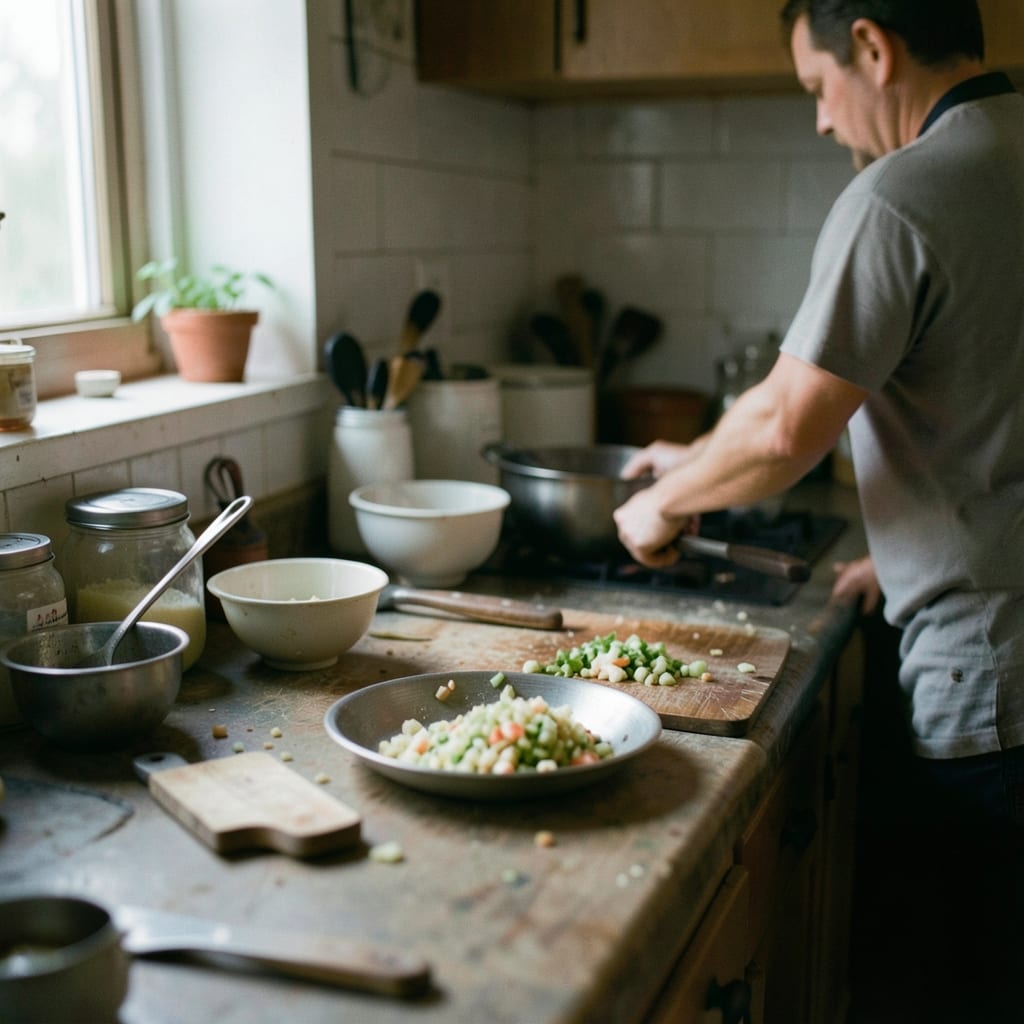
What this work is made with
This page is not a story. It is an inventory of the things that make *Cake Recipes Pan* what it is: a place for recipes that feel like they were written for someone you know. No mission statement here, just the tools and the hands that shape the work.
The site lives for the recipes—traditional, modern, and the ones that sneak in between—but the pages are built by objects that have seen more than their share of flour, sugar, and the occasional spilled wine. These are the things that turn a list of ingredients into something real.
The things that do the work
Four things hold this work together. A pan that has lost its nonstick coating but still holds heat like nothing else. A wooden board that has more cracks than a geologist’s field notes. A knife that was never sharp but cuts through dough like it was born for it.
And a cloth that has absorbed more spills than it should have survived.
The pan
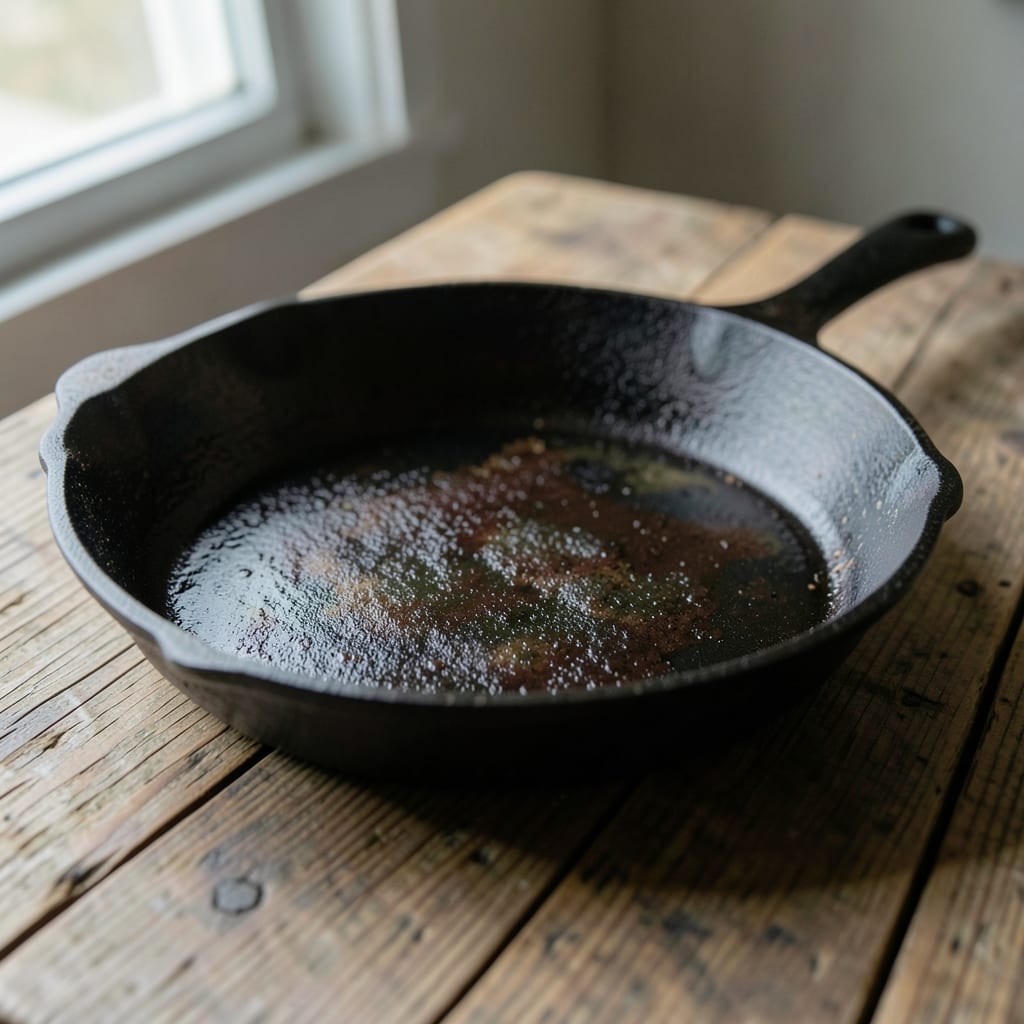
It’s a round, heavy-bottomed pan with a chipped rim and a coating so thin it’s almost gone. It’s been here since the site started—longer than some of the recipes it’s baked.
The first time it failed was on a batch of lemon bars: the crust stuck so hard we had to soak it in warm water for an hour just to pry it free.
Now it’s the one we use for everything that needs to stay together. The uneven heat means we stir more than we should, but the results are worth it. It’s taught us that perfection isn’t the point—just getting it to the table is.
The wooden board
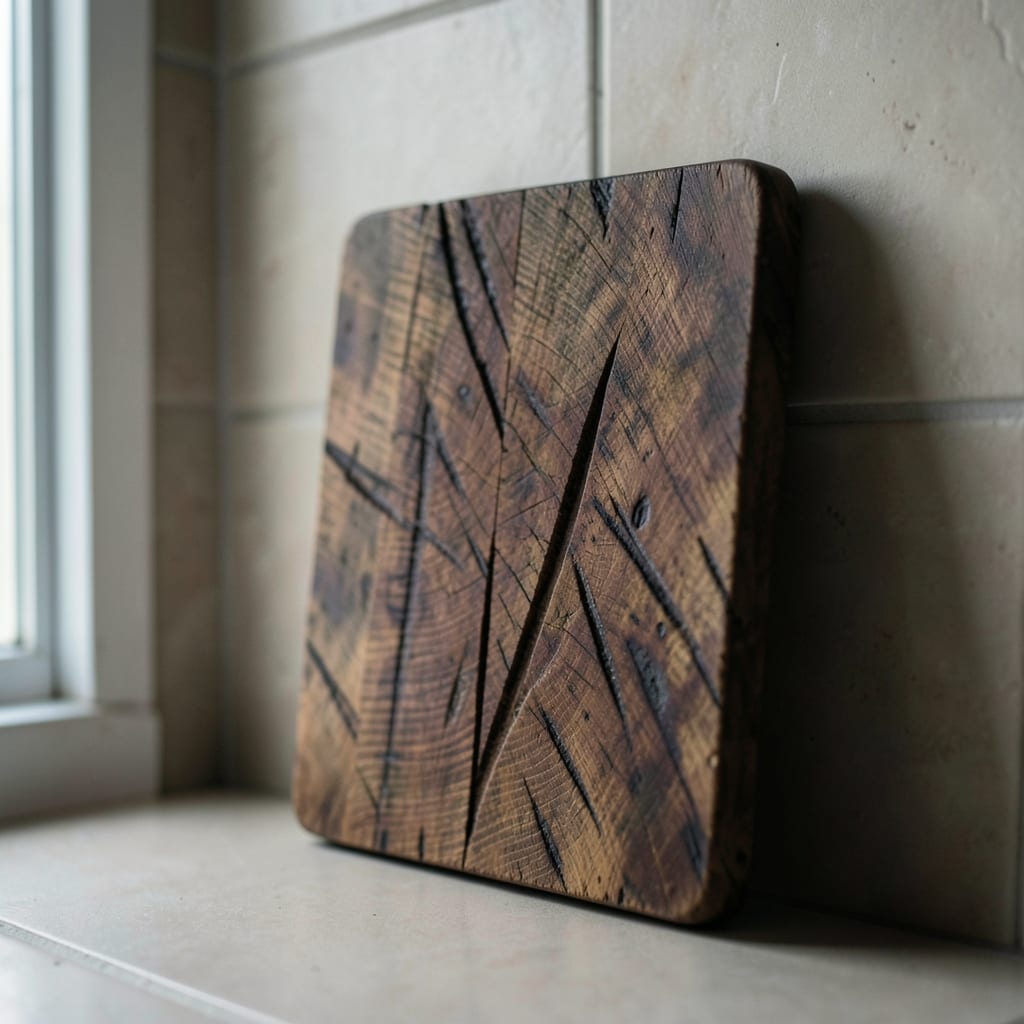
It’s maple, split down the middle and held together with duct tape. No one knows how old it is, but the cracks run deep enough to hide a few loose screws from old projects.
It’s been here since before the site had a name, passed down from a friend who swore by it for decades of holiday baking.
The first time it betrayed us was on a batch of shortbread: the cracks filled with crumbs, and half the dough ended up on the floor. Now we use it only for rolling dough or chopping herbs, because it’s too stubborn to replace.
It’s taught us that the best tools aren’t always the newest—they’re the ones that refuse to quit.
The knife
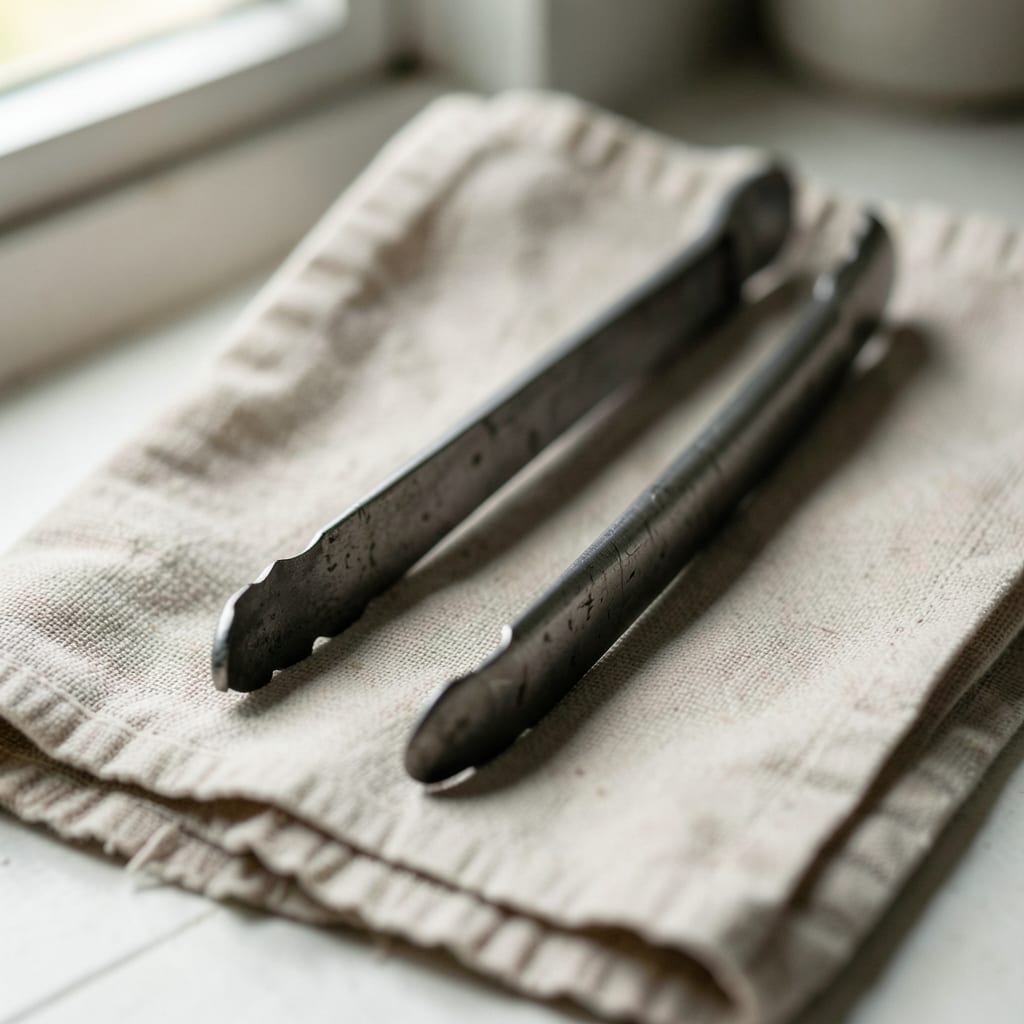
It’s a serrated bread knife with a handle so worn the plastic is peeling. It was a hand-me-down from a neighbor who said it had ‘seen better days,’ which is putting it nicely.
It’s been here since the first batch of sourdough, and it’s never been sharpened properly—just honed enough to keep it from looking like a saw.
The first time it failed was on a pie crust: it tore through the dough like it was made of paper. Now we use it only for scoring or chopping things that don’t need precision. It’s taught us that some tools are just for the job, not for glory.
And that’s fine.
The cloth
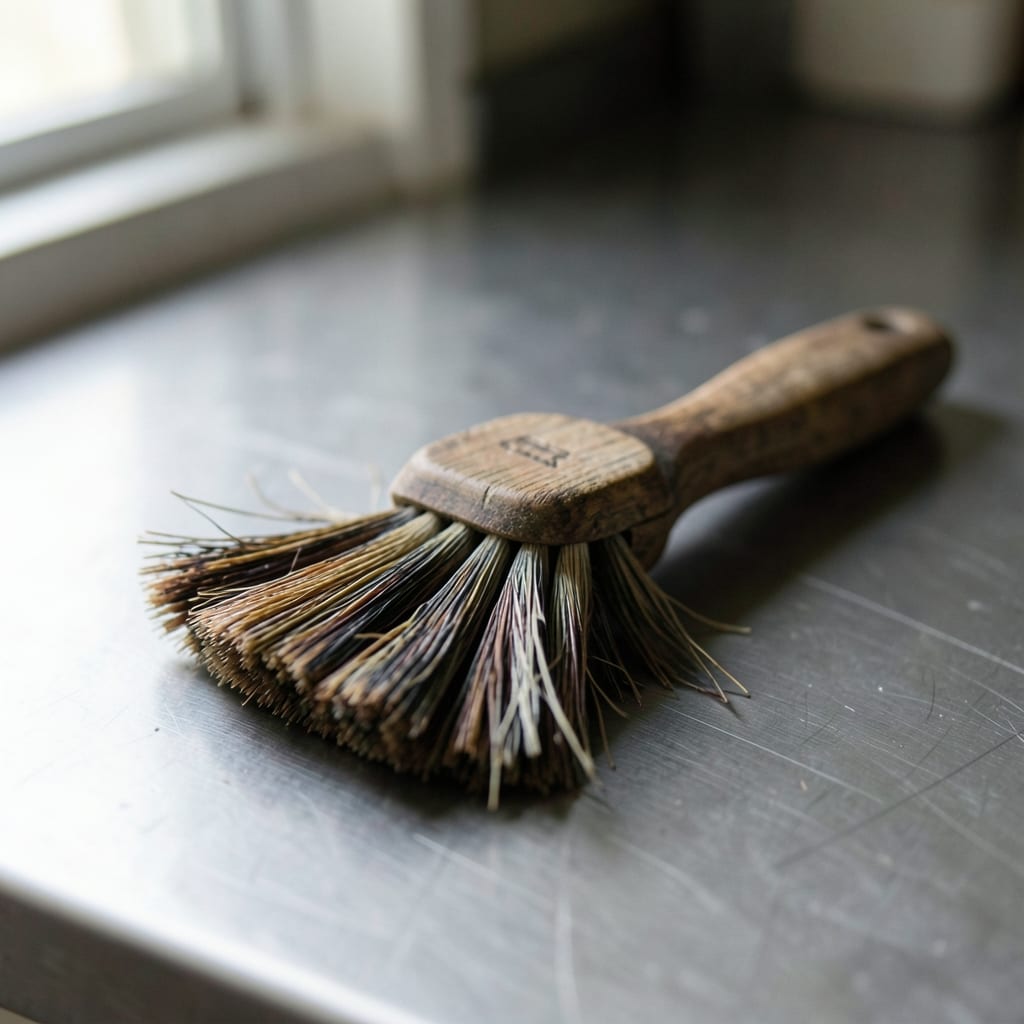
It’s a faded blue dish towel with more stains than a chef’s apron after a busy night. It’s been here since the site’s second month, rescued from a thrift store for less than a dollar.
The first time it gave out was on a spilled batch of caramel: the fabric turned translucent in places, and we had to cut away the worst of it.
Now it’s our go-to for wiping down counters, catching drips, and the occasional flour explosion. It’s taught us that the best tools aren’t always the ones that look new—they’re the ones that get the job done, no matter how many times they’ve been through the wringer.
What is not in the drawer
This work doesn’t rely on gadgets, timers, or anything that beeps. There are no fancy scales, no digital thermometers, and no recipe books open to dog-eared pages. The only thing we measure by numbers is time—and even that’s often just a guess.
Deliberately absent
- A thermometer (we trust our hands and a little instinct)
- A stand mixer (some things are better done by hand)
- A food processor (a knife and elbow grease work just fine)
- A recipe box (the best recipes are the ones we remember, not the ones we write down)
Behind the scenes
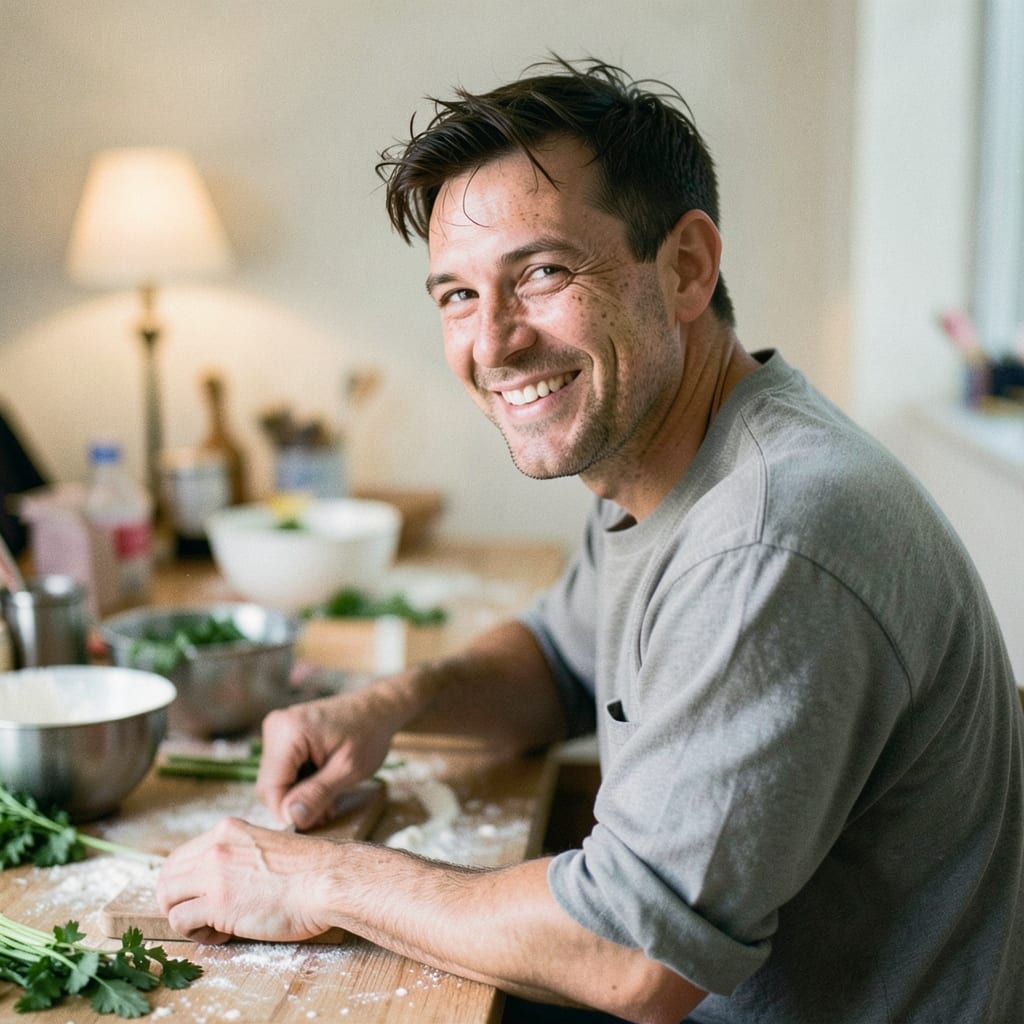
I’m Xavier Kessler, the founder and editor of *Cake Recipes Pan*. My job here is to find the recipes that feel like they were made for someone you’d invite to dinner—not just the ones that look good in a photo.
I came to this from a kitchen where meals were about gathering, not perfection. My mom taught me that the best dishes are the ones that taste like home, even if they’re not picture-perfect. She handed me this idea years ago, and I’ve been running with it ever since.
This work has given me a permanent flour burn on my left thumb, a habit of tasting everything twice (just to be sure), and a new appreciation for the way a kitchen smells after baking.
Now I notice the little things—the way a recipe changes when you swap an ingredient, how a pan’s shape can make or break a dish—and I can’t unsee it.
I’m here to make sure every recipe on this site feels like it was written for you, not just for the page. That means no shortcuts, no fancy tricks, and no pretending that cooking is anything but messy, rewarding work.
Why any of this matters to you
These things—the pan, the board, the knife, the cloth—aren’t just tools. They’re why the recipes here taste like they were made with care, not just checked off a list.
They’re why you’ll find no step skipped, no ingredient left out, and no recipe that doesn’t feel like it was written for someone who actually cooks.
The site exists because food is how we tell stories without saying a word. And these objects? They’re the ones holding the story together.
Every recipe here is built the way these tools are built: with patience, a little wear, and a lot of heart. You won’t find perfection, but you’ll find something real—something that tastes like it was made for you.
The recipes are grouped by category: Appetizers, Beverages, Breakfast & Brunch, Desserts, Main Courses and Reviews.