
Desserts
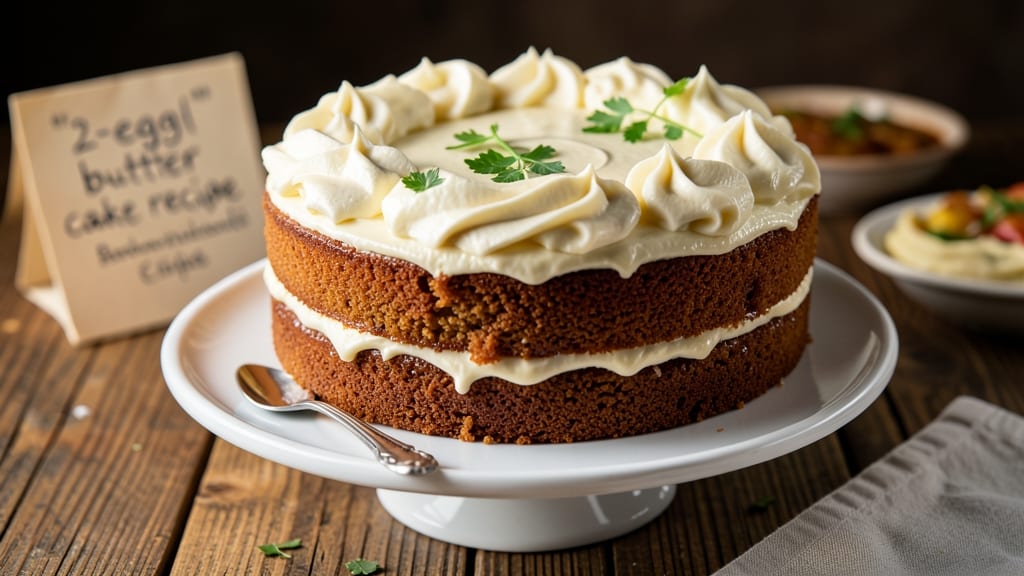
This 2-egg butter cake recipe delivers the legendary moisture of classic butter cake—without a single drop of oil. The secret lies in precise butter-to-egg ratios and a gentle folding technique that creates that signature tender crumb.
After years of testing, I’ve perfected a method that yields a cake so moist it stays fresh for days, with a delicate crumb that melts in your mouth. No heavy greasiness, no dryness—just pure, buttery perfection that rivals bakery-style cakes.
The magic happens in the mixing: creaming the butter and sugar until light and fluffy, then carefully folding in the eggs one at a time to maintain air pockets. A touch of sour cream or buttermilk adds richness without overpowering the butter flavor, while vanilla extract deepens the aroma.
The result is a cake that’s moist without being dense, with a golden crust that’s irresistibly tender. This recipe proves you don’t need oil—or a dozen eggs—to achieve bakery-quality texture.
What sets this apart is the balance of simplicity and precision. No special equipment, no complicated steps—just a few key techniques that guarantee success every time.
The cake bakes up with a fine, even crumb and a subtle buttery sweetness that’s perfect on its own or with a light dusting of powdered sugar. Whether you’re a beginner or an experienced baker, this method delivers foolproof results that will impress even the most discerning dessert lovers.
Ready to bake? The recipe scales easily for layers or sheet cakes, and the same principles apply whether you’re using all-purpose flour or a gluten-free blend. Let’s get started—your taste buds (and leftovers) will thank you.
Ingredients for 2 egg butter cake
Two eggs, one cup butter, and a few key tricks for bakery-style moisture without oil.
| Ingredient | Amount | Notes |
|---|---|---|
| Unsalted Butter 🧈 | 1 cup | Softened to room temperature |
| Granulated Sugar 🍚 | 1 ½ cups | White or light brown |
| Large Eggs 🥚 | 2 whole | Room temperature preferred |
| All-Purpose Flour 🌾 | 1 ¾ cups | Sifted for even texture |
| Sour Cream 🍦 | ½ cup | Full-fat for best flavor |
| Pure Vanilla Extract 🌿 | 1 tbsp | High-quality preferred |
| Baking Powder 🧂 | 1 ½ tsp | Aluminum-free recommended |
| Salt 🧂 | ½ tsp | Fine sea salt preferred |
| Whole Milk 🥛 | ¼ cup | Room temperature |
| Powdered Sugar 🍚 | ¼ cup | For dusting (optional) |
| Lemon Zest 🍋 | 1 tbsp | Brightens flavor profile |
The butter is everything here. Plugrá or Land O'Lakes are my go-tos—they're reliable and melt beautifully. Grab the salted version if you prefer, but unsalted gives you full control over the seasoning. Room temperature is critical: if it's too cold, the cake won't be tender; if it's too soft, you'll end up with a greasy mess. I usually take the butter out of the fridge about 2 hours before baking. For the eggs, room temperature makes all the difference—they'll blend more smoothly and create better air pockets. Pro tip: Crack them into a separate bowl first to avoid shell bits in your batter.
No sour cream? Plain Greek yogurt at half the amount works in a pinch, though it'll be slightly tangier. Short on vanilla? Vanilla bean paste adds flecks and extra flavor. The lemon zest might seem optional, but trust me—it brightens the whole cake without overpowering. For the flour, King Arthur or Bob's Red Mill are my favorites—they're consistent and give great results. If you're gluten-free, swap for a 1:1 blend but add an extra 0.25 cup to account for the lack of gluten structure. The powdered sugar is just for dusting, but it's worth the extra minute if you want that bakery finish.
This cake keeps beautifully—3 days at room temperature wrapped in plastic, or up to 5 days in the fridge. For longer storage, freeze it in slices for up to 3 months—just thaw at room temperature before serving. I always bake an extra cupcake or two for testing, because honestly, you'll want to make sure it's perfect before cutting into the whole cake. The batter can be made a day ahead and refrigerated, but let it sit at room temperature for 30 minutes before baking to prevent steam buildup.
Why You'll Love This Recipe
- Buttercream Magic: The sour cream keeps it moist for days, while that rich buttercream—just sugar, eggs, and melted butter—tastes like a bakery’s secret. Honestly, it’s the kind of cake that disappears faster than I can say “second slice.”
- No-Fuss Mixing: Three bowls, five minutes. Cream butter and sugar, toss in eggs, fold flour—no sifter, no whisk marathon. The sour cream makes it tender without extra effort, and the cake’s done before your coffee gets cold.
- Weeknight Hero: Slice it warm for breakfast or pack it for lunch—it’s my go-to when I need something sweet but can’t be bothered with frosting. (Yes, even on a Tuesday night.) The texture holds up perfectly, so it’s never a sad, dry afternoon snack.
- Budget Bakery: Two eggs? Check. Butter and sugar you already have? Double check. This uses half the ingredients of a standard cake but delivers the same decadence. Leftovers? They’ll vanish faster than your grocery budget.
Step-by-step instructions for the ultimate 2-Egg butter cake
Here's how to bake a tender, moist cake using just two eggs—no oil, no guesswork.
Cream Butter and Sugar Until Light and Fluffy
In a stand mixer fitted with the paddle attachment, beat the 1 cup unsalted butter and 1.5 cups granulated sugar on medium speed for 3-4 minutes. You're looking for a pale, fluffy mixture that nearly doubles in volume—this incorporates air that creates that signature light texture. I always press down on the butter-sugar mix with a spatula halfway through to break up any large lumps, ensuring everything combines smoothly.
Here's the thing—don't rush this step. The butter needs to be completely incorporated with the sugar to prevent dense layers later. You'll know it's ready when the mixture looks almost ribbony and leaves clean streaks on the bowl when the paddle lifts. This is the foundation of your cake's moisture, so take your time.
Add Eggs and Sour Cream for Richness
Add the 2 whole large eggs, one at a time, mixing on low speed after each addition until fully incorporated. Then add the 0.5 cup sour cream and mix just until combined. The sour cream adds moisture and tenderness—don't overmix or you'll develop gluten in the flour later. I like to scrape down the sides of the bowl with a rubber spatula at this point to make sure everything's evenly distributed.
This is where the magic happens for that ultra-moist texture. The sour cream also helps prevent cracking in the final cake. If your mixture looks slightly curdled after adding the eggs, don't worry—it'll smooth out when you add the dry ingredients. The key is to keep everything moving at a steady pace without overworking the batter.
Mix in Dry Ingredients and Lemon Zest
In a separate bowl, whisk together the 1.75 cups all-purpose flour, 1.5 teaspoons baking powder, 0.5 teaspoon salt, and 1 tablespoon lemon zest. Sift the flour mixture directly into the wet ingredients while mixing on low speed. Add the 0.25 cup whole milk and mix just until combined—you should still see some flour streaks. Overmixing develops gluten, which makes cakes tough.
The lemon zest brightens the whole cake and balances the richness of the butter. I always make sure to use a fine grater for the zest—you don't want any bitter pith in your batter. Mix just until everything comes together, about 30-45 seconds. The batter should be thick but pourable. If it looks too stiff, you can add a splash more milk, but don't worry if it seems perfect—this is exactly what we want for a tender crumb.
Bake to Golden Perfection
Preheat your oven to 350°F and grease two 8-inch round cake pans (or line with parchment rounds). Divide the batter evenly between the pans and smooth the tops. Bake for 25-30 minutes, until a toothpick inserted in the center comes out clean. The edges should be golden brown, but the tops might still look slightly underdone—this is normal.
Don't open the oven during the first 20 minutes of baking—this prevents the cake from sinking. I always check for doneness at the 25-minute mark because ovens vary. When you pull them out, let the cakes cool in the pans for 10 minutes, then transfer to a wire rack to cool completely. This resting period helps the cakes set properly and prevents them from falling apart when you frost them later.
Dust with Powdered Sugar (Optional)
Once completely cooled, dust the tops with 0.25 cup powdered sugar using a fine-mesh sieve. This adds a delicate sweetness and makes the cake look even more professional. I like to do this right before serving so the powdered sugar stays fresh and fluffy. The cake should be moist but not wet—if it's too moist, it might need a few extra minutes in the oven next time.
Slice and serve while still at room temperature for the best texture. This cake keeps well in an airtight container for up to 3 days at room temperature, though I promise you won't have any leftovers! The secret to its moisture is the combination of sour cream and butter—no oil needed to keep it tender and rich.
Pro Tips For Making 2 Egg Butter Cake
- Cream Butter First: Take that butter out of the fridge 30 minutes before mixing—room temperature butter blends smoother and creates a lighter crumb. I used to melt it, then realized the texture suffers when it re-solidifies mid-bake. Trust me, this isn’t the step you want to rush.
- Whisk Eggs Like a Pro: Beat those eggs until they’re pale, thick, and triple in volume—about 2-3 minutes with a hand mixer. Under-whipped eggs make the cake dense, and over-mixed flour will toughen it. Aim for ribbon-like consistency when the beaters lift.
- Don’t Overmix the Batter: Once you fold in the flour, stop after 10-12 strokes—just until combined. I learned this after making a cake so tough it could’ve been a doorstop. The sour cream’s tanginess already adds moisture; overworking it dries it out.
- Bake Until Springy: Test doneness by pressing the center—it should bounce back slowly, not jiggle like jelly. My first few cakes came out gummy because I pulled them too soon. A toothpick with moist crumbs (not wet batter) is the real tell.
Common mistakes when making this recipe
Overmixing the Batter
This is the #1 mistake that turns tender cakes into dense bricks. Once you add the flour, mix just until combined—about 30 seconds—so you still see small flour streaks. Overmixing develops gluten, which makes the crumb tough.
I’ve ruined many cakes by beating the batter until smooth, so trust the process: the batter should look thick but pourable, not like pancake batter. 💫
Skipping Room-Temp Ingredients
Cold butter and eggs create pockets of steam that can cause cracks or dense spots. Let your butter and eggs sit at room temperature for at least 1 hour before baking. I usually take them out while preheating the oven.
Cold ingredients also prevent proper emulsification, which is key for that signature moist texture. Pro tip: Run eggs under warm water for 5 minutes if you’re in a hurry.
Opening the Oven Too Soon
Resist the urge to peek! Opening the oven during the first 20 minutes causes temperature fluctuations that make cakes sink. I’ve seen cakes go from perfect to collapsed just from one quick glance.
If you’re worried, use the toothpick test at 25 minutes—it should come out with a few moist crumbs, not wet batter. The cake will continue cooking after you remove it from the oven.
Using the Wrong Butter Temperature
Butter that’s too soft (like melted) or too hard (straight from the fridge) ruins the texture. Press your butter with a finger—it should hold its shape but leave a slight indent. If it’s too soft, chill the bowl for 10 minutes.
If it’s too hard, let it sit out for another 15 minutes. I’ve learned this the hard way: greasy cakes happen when butter melts too quickly in the oven. 🧈
Overbaking for Dryness
Most cakes are done before they look fully set. Pull yours out when a toothpick comes out with a few moist crumbs (not wet batter). Overbaking dries out the crumb and makes it crumbly.
If your cake pulls away from the pan edges too early, it’s a sign it needs more time—but don’t let it sit past the 30-minute mark unless it’s truly underdone. The center should jiggle slightly when shaken.
Ignoring the Resting Time
Rushing to frost or slice warm cakes leads to crumbly layers. Let cakes cool in their pans for 10 minutes, then transfer to a wire rack for at least 1 hour. This helps the structure set properly.
I’ve seen cakes fall apart when sliced too soon—patience here makes all the difference. For layer cakes, chill them in the fridge for 20 minutes before assembling to prevent filling from leaking out.
Nutrition facts
Frequently asked questions
Why does this recipe use only 2 eggs?
The secret lies in the butter-to-egg ratio and proper mixing techniques. Two eggs create a delicate crumb while the 1 cup butter provides richness without heaviness. The sour cream and milk add extra moisture, so you don't need more eggs for structure. This ratio also makes the cake easier to scale down for smaller batches.
Can I make this cake without sour cream?
Yes! Substitute with 0.5 cup plain Greek yogurt or 0.5 cup buttermilk for similar moisture. For a dairy-free option, use 0.5 cup unsweetened applesauce or 0.5 cup mashed banana. The sour cream adds richness, but these alternatives still yield a tender crumb. Just adjust sweetness if using fruit-based substitutes.
How do I prevent cracks in the cake?
Cracks usually happen from overmixing or temperature fluctuations. Mix dry ingredients just until combined (about 30 seconds) and avoid opening the oven for the first 20 minutes. Also ensure your butter and eggs are room temperature—this prevents steam pockets. For extra insurance, bake at 325°F instead of 350°F if your kitchen runs hot.
What's the best way to frost this cake?
This cake's delicate crumb pairs beautifully with light frostings. Try cream cheese frosting, Italian meringue buttercream, or even a simple dusting of powdered sugar. For a classic buttercream, use 1 cup softened butter, 3 cups powdered sugar, and 2 tbsp milk. Spread while cakes are still slightly warm for easier application.
Can I use this recipe for cupcakes?
Reduce the batter to fill 12-15 cupcake liners (about 1.5 cups batter total). Bake at 350°F for 18-20 minutes until a toothpick comes out clean. The same mixing principles apply—just scale down the ingredients proportionally. These cupcakes are perfect for birthdays or brunch!