
Breakfast & Brunch
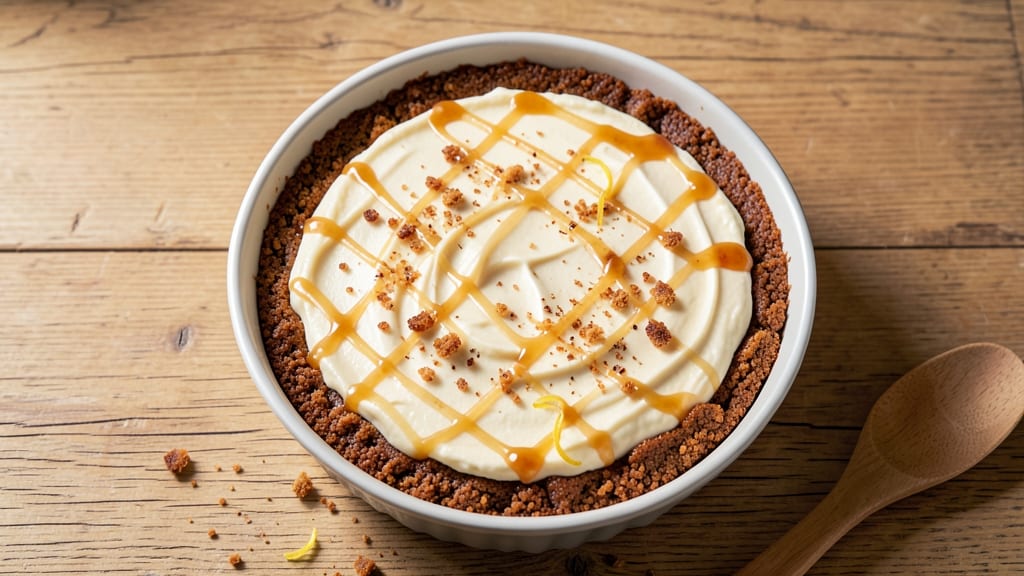
This 2-egg cheesecake recipe delivers all the creamy richness of classic cheesecake—without the dense texture or cracking. The secret lies in using just two eggs while incorporating cornstarch for stability, creating a light yet velvety crumb that bakes perfectly in a water bath.
After years of testing variations, this method consistently produces a cheesecake with a tender, jiggly center and clean slice edges—no cracks in sight.
The foundation starts with a buttery graham cracker crust that stays crisp even after chilling, while the filling balances tangy cream cheese with sweetened condensed milk for natural moisture.
A key technique is preheating the oven to 325°F and baking in a water bath for 50-60 minutes, which ensures even heat distribution and prevents surface drying. The result? A cheesecake that holds its shape when sliced and serves beautifully for brunch or dessert.
What sets this recipe apart is its foolproof texture—no overmixing, no waiting for eggs to reach room temperature, and no complicated layering. The cornstarch acts as a natural thickener, mimicking the structure of extra eggs while keeping the crumb airy.
Once cooled, the cheesecake develops a subtle sheen and clean slice that reveals that signature creamy interior in every bite.
Serve chilled with fresh berries, a drizzle of caramel, or a dusting of powdered sugar for a restaurant-quality dessert that’s surprisingly simple to make. The recipe scales perfectly for gatherings, and leftovers keep well for up to 5 days in the refrigerator. Let’s get baking!
Ingredients for 2 egg cheesecake
Twelve ingredients transform into a flawlessly light cheesecake with no cracks or dense center.
| Ingredient | Amount | Notes |
|---|---|---|
| Graham Cracker Crumbs 🍪 | 2 cups | Finely crushed, buttery preferred |
| Unsalted Butter 🧈 | ½ cup | Melted, cooled slightly |
| Granulated Sugar 🍚 | ¼ cup | For crust sweetness |
| Large Eggs 🥚 | 2 whole | Room temperature preferred |
| Full-Fat Cream Cheese 🧀 | 16 oz | Room temperature, no lumps |
| Sweetened Condensed Milk 🥛 | ½ cup | For natural moisture |
| Granulated Sugar 🍚 | ½ cup | For filling sweetness |
| Cornstarch 🌾 | 2 tbsp | Key for texture stability |
| Vanilla Extract 🌿 | 1 tbsp | Pure, high-quality preferred |
| Lemon Juice 🍋 | 1 tbsp | Freshly squeezed |
| Diamond Crystal Kosher Salt 🧂 | ½ tsp | Adjust to taste |
| Water 💧 | 1 cup | For water bath |
The cream cheese is non-negotiable—Philadelphia brand delivers consistent results, but any full-fat variety works if room temperature. Graham crackers should be buttery and lightly sweet; Honey Maid or Keebler are reliable choices. For the crust, melt the butter completely and let it cool slightly before mixing with crumbs to prevent burning during baking. The cornstarch acts as a structural stabilizer, replacing the need for extra eggs while maintaining that signature jiggle. Vanilla extract should be pure, not imitation—McCormick or Nielsen-Massey are trusted brands for professional results.
No Philadelphia cream cheese? Breyers or Kraft work in a pinch, but expect slightly less tang. Sweetened condensed milk can be substituted with heavy cream plus 2 tbsp sugar, though the texture will differ slightly. For vanilla flavor, vanilla bean paste adds depth without extra moisture. Lemon juice can be omitted if you prefer a sweeter profile, but it balances richness beautifully. The graham crackers can be swapped for digestive biscuits or shortbread cookies for a different texture—just adjust sweetness to taste. Cornstarch is critical; arrowroot powder works at the same ratio if unavailable.
Prevent cracks by baking in a water bath—place the springform pan in a larger roasting pan filled with hot water halfway up the sides. Chill the cheesecake completely before serving to set the texture properly. Leftovers keep for 5 days in the fridge, though they're best enjoyed fresh. For make-ahead prep, assemble the crust and filling a day in advance, then bake when ready. Slice with a hot knife for clean edges—dip the blade in hot water between cuts. Freeze portions for up to 3 months in an airtight container.
Why You'll Love This Recipe
- No Mixing Madness: I swear by this recipe—just fold the cream cheese and eggs until just combined, no overworking. That butter-sugar crust? Mix it with your fingers in 2 minutes while the oven preheats. Honestly, it’s the kind of dessert that lets you multitask instead of stressing over a blender or food processor.
- Creamy Without the Guilt: Two eggs? Yes, and it’s still rich. The full-fat cream cheese melts into that velvety texture, but the sugar keeps it from being too heavy. Between us, this is the cheesecake I’ll make when I want to impress but don’t want to wait 6 hours for a water bath. That crispy graham edge? Pure satisfaction.
- Weeknight Wonder: Slice it warm for a lazy dinner with fruit or save slices for breakfast toast—trust me, the leftovers are always gone by Thursday. Pack it in a lunchbox for work or freeze portions for when you need a quick treat. I’ve even served it at potlucks; no one bats an eye at the "mini" size, but they do ask for the recipe.
- Budget-Friendly Luxury: Graham crackers and butter are pantry staples, and two eggs cut costs without sacrificing flavor. This recipe stretches my grocery budget while still feeling like a special dessert. Plus, the portions are perfect for sharing—no sad half-eaten cheesecake here. My college budget (and my taste buds) thank me every time.
Step-by-step instructions for 2 egg cheesecake recipe
A lighter texture with no cracks requires precise technique and patience. Here's how to achieve both.
Prepare the Crust Foundation
Preheat your oven to 325°F and place a springform pan on a baking sheet for stability. In a medium bowl, combine the 2 cups graham cracker crumbs with the 0.5 cup melted unsalted butter and 0.25 cup granulated sugar. Mix thoroughly until the crumbs are evenly moistened and the mixture resembles wet sand.
Press the mixture firmly and evenly into the bottom of the springform pan, creating a flat, compact crust. Use a measuring cup or glass to press down any loose crumbs around the edges. Bake for 10 minutes until the crust is lightly golden and set. Let it cool slightly—this prevents the crust from becoming soggy when the filling is added.
Create the Filling Mixture
While the crust bakes, prepare the filling by beating the 16 oz full-fat cream cheese in a large mixing bowl until completely smooth. Add the 0.5 cup sweetened condensed milk, 0.5 cup granulated sugar, 2 tbsp cornstarch, 1 tbsp vanilla extract, 1 tbsp lemon juice, and 0.5 tsp kosher salt. Mix on medium speed until fully combined and smooth.
Add the 2 whole large eggs one at a time, mixing just until each is fully incorporated. Avoid overmixing—this introduces air bubbles that can cause cracks. The mixture should be thick, smooth, and homogeneous. Let it sit at room temperature for 10 minutes to allow the cornstarch to fully hydrate and the flavors to meld.
Assemble and Bake with Precision
Pour the filling mixture over the cooled crust, spreading it evenly to the edges. Place the springform pan into a deep roasting pan or a large baking dish. Carefully pour the 1 cup water into the roasting pan, creating a water bath that surrounds the springform pan. This gentle heat distribution prevents cracking and ensures even cooking.
Return the cheesecake to the oven and bake for 50-55 minutes. The edges should be set, but the center should still appear slightly jiggly—this indicates proper doneness. The water bath should be hot but not boiling vigorously. If the top browns too quickly, tent loosely with aluminum foil after 30 minutes.
Cool and Set Properly
Remove the cheesecake from the water bath and let it cool in the oven with the door slightly ajar for 15 minutes. This gradual cooling helps prevent sudden temperature shifts that can cause cracks. Transfer the cheesecake to a wire rack to cool completely at room temperature for 2 hours before refrigerating.
Refrigerate the cheesecake for at least 4 hours or overnight. This slow chilling process allows the cornstarch to fully set and the texture to develop its signature lightness. The cheesecake should hold its shape when gently shaken and have a smooth, creamy consistency without any cracks or weeping.
Pro Tips For Making 2 Egg Cheesecake
- CHILL THE CREAM CHEESE: Mix the full-fat cream cheese with sugar and eggs at room temperature—cold butter and cream cheese create lumps that won’t blend out, no matter how long you beat it. I learned this the hard way after ending up with a grainy filling that looked like it had sand in it.
- WEIGHT THE CRUST: Press the graham cracker crumb mixture into the pan firmly—use a measuring cup or glass to pack it down so it doesn’t crumble when you pour the filling. A well-weighted crust means no soggy bottom, and it’ll hold together when you slice it later (yes, even if you’re impatient like me).
- BAKE LOW AND SLOW: Start at 325°F (not 350°F)—the smaller batch means the center takes longer to set without over-browning the edges. After 20 minutes, turn the oven down to 275°F and bake until just set in the middle (about 45-55 minutes total). Rushing this step guarantees a dense, undercooked center or a dry top.
- REST BEFORE SLICING: Let the cheesecake cool completely in the fridge for at least 6 hours—overnight is ideal. Cutting it too soon means a messy, crumbly texture, and the flavors won’t meld properly. I know, I know, but trust the process (your future self will thank you).
Serving suggestions for 2 egg cheesecake
Berry Compote Topping
Fresh berries elevate this cheesecake beautifully. Simmer 1 cup mixed berries (strawberries, blueberries, raspberries) with 2 tbsp honey and 1 tsp lemon juice for 5 minutes until juicy. Let cool before spooning over slices. The natural sweetness balances the tangy filling perfectly. 🍓
Whipped Cream Garnish
Lightly sweetened whipped cream adds a cloud-like finish. Whip 1 cup heavy cream with 1 tbsp powdered sugar and ½ tsp vanilla until soft peaks form. Pipe or dollop over each slice for a restaurant-worthy presentation. Store-bought Cool Whip works in a pinch if short on time.
Chocolate Drizzle
Melt 4 oz dark chocolate (70% cocoa) with 1 tbsp coconut oil over a double boiler. Drizzle over slices in a zigzag pattern for visual appeal. The bitterness contrasts the sweet filling, creating a sophisticated flavor profile. Use a Kitchenaid piping bag for clean lines if desired.
Caramel Sauce
Homemade caramel sauce takes this dessert to the next level. Combine ½ cup granulated sugar and ¼ cup heavy cream in a saucepan, heating on medium-low until smooth and amber-colored. Cool slightly before drizzling. The buttery richness complements the cheesecake's tang perfectly. 🍯
Toasted Nuts
For added texture, toast ½ cup pecans or walnuts in a dry skillet over medium heat for 3-4 minutes until golden. Sprinkle over slices just before serving. The nutty crunch provides a delightful contrast to the creamy filling. Store nuts in an airtight container to maintain freshness.
Citrus Zest
Brighten each slice with a sprinkle of lemon or orange zest. Use a fine grater to create delicate curls. The citrus aroma enhances the cheesecake's vanilla notes while adding a refreshing finish.
Pair with a dusting of powdered sugar for a sweet-tart balance. Store zest in the freezer for up to 2 weeks in a sealed container.
Nutrition facts
Frequently asked questions
Why does this recipe use only 2 eggs?
The magic lies in the 2 tbsp cornstarch which mimics egg proteins for structure while keeping the texture light and airy. Traditional recipes rely on 3-4 eggs for stability, but this ratio prevents density and cracking. The cornstarch also helps create that signature jiggly center without overbinding the mixture.
Can I make this cheesecake without a water bath?
Technically yes, but expect potential cracking or uneven baking. The water bath creates gentle, even heat that prevents surface drying and sudden temperature shifts. For best results, use the water bath method—it's the secret to that perfect slice every time. If you skip it, reduce oven temp to 300°F and bake 10-15 minutes longer.
How do I prevent cracks in my cheesecake?
Cracks typically form from temperature shock or overmixing. First, avoid opening the oven door during baking. Second, let the cheesecake cool gradually in the oven with the door slightly ajar for 15 minutes after baking. Finally, chill it completely in the fridge before serving—this helps set the texture properly. A hot knife also helps create clean slices!
Can I substitute condensed milk with something else?
Yes! Replace the ½ cup sweetened condensed milk with ½ cup heavy cream plus 2 tbsp granulated sugar. The texture will be slightly less rich, but the cheesecake will still hold together. For extra moisture, you could also use ½ cup Greek yogurt, though the flavor will differ slightly. The condensed milk adds natural sweetness and moisture that's hard to replicate.
How long can I store this cheesecake?
This cheesecake stays fresh for up to 5 days in the refrigerator when stored in an airtight container. For longer storage, freeze individual slices wrapped tightly in plastic wrap for up to 3 months. Thaw overnight in the fridge before serving. The texture remains perfect when properly stored—no soggy bottoms here!