
Desserts
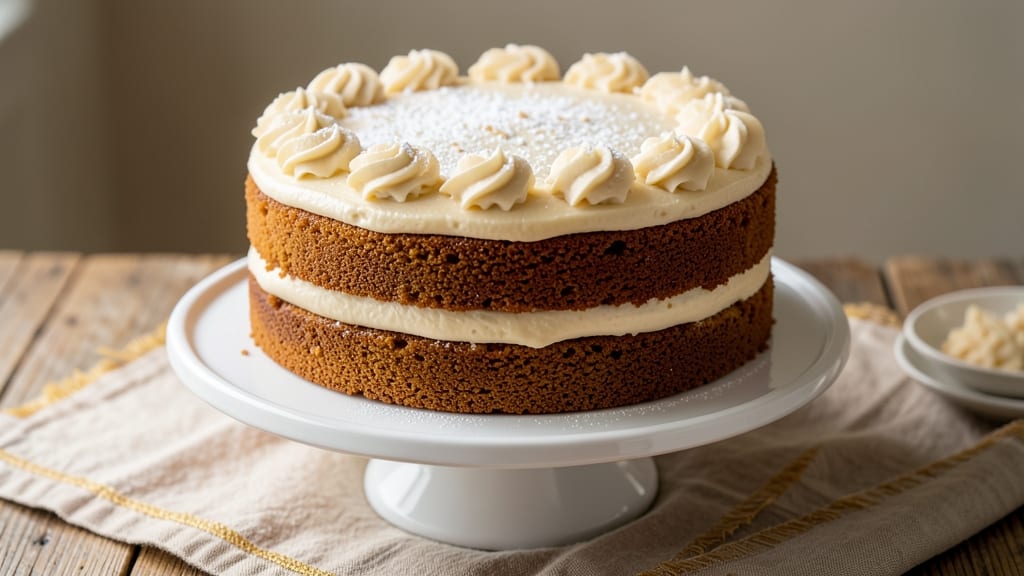
This 2-layer pound cake recipe delivers the perfect balance of rich, buttery layers and velvety vanilla buttercream that'll make every slice feel like a celebration.
The secret to its legendary moistness lies in precise ingredient ratios and gentle folding—no overmixing here, just tender crumb and golden edges that beg for another bite. I've perfected this recipe over years of baking, ensuring each slice stays moist for days without drying out.
The foundation starts with a classic pound cake formula: equal parts butter, sugar, and flour create that signature dense yet tender texture.
After baking two rich layers at 350°F for 30-35 minutes, we let them cool completely before assembling with smooth vanilla buttercream—the kind that melts in your mouth with every forkful.
This isn't just dessert; it's a showstopper that tastes like homemade love, whether served at birthdays or as an everyday indulgence.
What makes this recipe truly special is the stacked perfection—no domed tops or uneven layers here. The cake bakes evenly in round pans, creating clean slices that reveal that coveted moist crumb. The buttercream isn't just decoration; it's the creamy bridge between layers that keeps every bite luxurious.
For those who love tradition, stick with vanilla, but feel free to swap in chocolate or citrus for modern twists.
Ready to bake? The ingredients list is straightforward—quality matters here—and the step-by-step instructions guide you through mixing, layering, and baking with confidence. Whether you're a seasoned baker or trying this for the first time, this recipe delivers restaurant-quality results that'll have everyone asking for seconds.
Let's get started on creating your perfect pound cake.
Ingredients for 2 layer pound cake
Quality butter, sugar, and flour create that signature pound cake texture—plus a few secrets for legendary moistness.
| Ingredient | Amount | Notes |
|---|---|---|
| Unsalted Butter 🧈 | 1 ½ cups | Cold, cubed for cutting |
| Granulated Sugar 🍚 | 2 ¼ cups | White or light brown |
| All-Purpose Flour 🌾 | 2 ½ cups | Sifted, plus extra for dusting |
| Large Eggs 🥚 | 6 whole | Room temperature |
| Pure Vanilla Extract 🌿 | 2 tbsp | High-quality, not imitation |
| Baking Powder 🧂 | 1 tsp | Diamond Crystal preferred |
| Salt 🧂 | ½ tsp | Fine sea salt |
| Whole Milk 🥛 | ½ cup | Room temperature |
| Vanilla Buttercream Frosting 🧁 | 3 cups | Homemade or high-quality store-bought |
| Powdered Sugar 🍚 | 4 cups | For buttercream |
| Heavy Whipping Cream 🥛 | 1 ½ cups | Cold, for buttercream |
| Lemon Zest 🍋 | 1 tbsp | Optional, for brightness |
The butter is non-negotiable here—European-style unsalted (like Plugrá or Land O'Lakes) gives the best flavor and texture. Grab it from the refrigerated section, not the shelf—it should be cold but not rock-hard. Sift the flour twice for that signature tender crumb. I always buy King Arthur or Bob's Red Mill flour for this recipe—it's worth the few extra cents. The eggs? Room temperature makes all the difference—crack them into a separate bowl first to avoid shell bits. And that vanilla? Nothing but pure extract—skip the imitation stuff.
No vanilla extract? Vanilla bean paste works in a pinch, or scrape seeds from a vanilla bean. Short on butter? Coconut oil can replace half, but the flavor will shift. The milk can be swapped for heavy cream or buttermilk if that's what you've got. For the buttercream, store-bought is fine (like Betty Crocker or Duncan Hines), but homemade tastes like heaven—just whisk powdered sugar, softened butter, and heavy cream until smooth. Want extra flavor? Add 1 tsp lemon extract or orange zest to the batter.
This cake keeps beautifully—3 days at room temperature covered loosely with plastic, or 1 week refrigerated in an airtight container. For longer storage, freeze the layers (unfrosted) for up to 3 months. Thaw at room temperature before assembling. Pro tip: Wrap each layer in plastic wrap before frosting to prevent drying. The buttercream? It stays fresh for 5 days refrigerated—just add a splash of milk to soften before reusing. I always make a double batch of frosting and freeze half for next time.
Why You'll Love This Recipe
- No Mixer Needed: I swear by this recipe when I’m in a rush—just cream the butter and sugar until light, fold in the eggs one at a time, and let the vanilla do its magic. The layers stay perfectly tender without overmixing.
- Vanilla Kiss: That first bite? Pure comfort. The vanilla extract infuses every crumb, and the sugar-butter ratio gives it a melt-in-your-mouth richness that’s hard to resist. (Yes, even plain, it’s crave-worthy.)
- Lasts All Week: Between us, this cake stays fresh for days if you wrap it tightly. I’ve had it for lunch, snacked on it cold, and even toasted slices for a quick dessert. Budget-friendly? Absolutely. Waste-free? Even better.
Step-by-step instructions for 2 layer pound cake
Let's bake a tender, perfectly moist pound cake that holds its shape and stacks beautifully.
Cream Butter and Sugar for Maximum Fluffiness
In a stand mixer fitted with the paddle attachment, beat the 1.5 cups unsalted butter and 2.25 cups granulated sugar on medium speed for 3-5 minutes. You're looking for a light, pale, and fluffy mixture that nearly triples in volume. This creaming process incorporates air, which creates that signature tender crumb we want in pound cake.
Here's the thing—don't rush this step. I've found that under-creaming leads to dense cake, while proper creaming gives that signature tender texture. Scrape down the sides of the bowl once or twice to ensure everything gets evenly incorporated. The mixture should look like thick, pale ribbon when you lift the paddle.
Add Eggs and Dry Ingredients Alternately
Add the 6 whole large eggs one at a time, mixing well after each addition. Then add the 2 tbsp pure vanilla extract and mix for another 30 seconds. In a separate bowl, whisk together the 2.5 cups all-purpose flour, 1 tsp baking powder, and 0.5 tsp salt. With the mixer on low speed, alternate adding the dry ingredients and the 0.5 cup whole milk, beginning and ending with the flour mixture.
This alternating method ensures even distribution of ingredients and prevents dense spots. Mix just until combined—you should still see some flour streaks. Overmixing develops gluten and can make the cake tough. The batter should be thick but pourable, like heavy pudding. If it looks too thick, add an extra 1 tablespoon of milk to help it flow smoothly.
Bake in Prepared Pans for Even Cooking
Preheat your oven to 350°F. Grease two 9-inch round cake pans thoroughly with butter and flour, tapping out any excess. Divide the batter evenly between the pans. Bake for 25-30 minutes, or until a toothpick inserted in the center comes out clean. The cake should spring back when gently pressed in the center.
I like to place the pans on the middle rack of my oven for even heat distribution. Rotate the pans halfway through baking if your oven has hot spots. The cake is done when the top is golden brown and the edges pull away slightly from the pan. Don't overbake—this is where pound cake can dry out. Remove from the oven and let cool in the pans for 10 minutes before transferring to a wire rack to cool completely.
Prepare the Vanilla Buttercream Frosting
In a large mixing bowl, beat the 1.5 cups heavy whipping cream until soft peaks form. Gradually add the 4 cups powdered sugar while continuing to beat. Add the 1.5 cups unsalted butter, 2 tbsp pure vanilla extract, and 1 tbsp lemon zest (if using). Beat on high speed for 2-3 minutes until smooth and fluffy. The frosting should be thick enough to hold its shape but still spreadable.
This is where the magic happens—the frosting needs to be perfectly balanced. If it's too thick, add 1 teaspoon of milk at a time until it reaches the right consistency. If it's too thin, add a little more powdered sugar. The lemon zest adds a bright, subtle flavor that complements the vanilla beautifully. Taste it before proceeding—you want it to be sweet but not overpowering.
Assemble and Frost the Cake Layers
Once the cakes are completely cool, level the tops if needed. Place one layer on a cake stand or plate. Spread 1.5 cups of the vanilla buttercream frosting evenly over the top. Place the second layer on top and spread the remaining frosting over the top and sides of the cake. Use a spatula to create smooth sides and a slightly domed top for that classic pound cake look.
Chill the cake in the refrigerator for 30 minutes before slicing. This helps the frosting set and makes for cleaner cuts. The cake should be moist but not soggy, with a perfect balance of tender crumb and rich buttercream. Serve at room temperature for the best texture and flavor. The lemon zest in the frosting adds a lovely brightness that cuts through the richness of the buttercream and cake.
Pro Tips For Making 2 Layer Pound Cake
- Weigh Your Butter: I learned this the hard way—packing butter into measuring cups leaves air gaps, which throws off the ratio. Use a kitchen scale for 227 grams (1 cup) of butter, packed tightly but not forced. That dense, cool butter mixes smoother and gives you a tender crumb every time.
- Don’t Overmix the Batter: After burning three batches of dense, rubbery cake, I finally stopped beating the flour mixture after just 30 seconds. Overmixing develops the gluten, and pound cake is all about that delicate, melt-in-your-mouth texture. Fold in the flour until just combined—no streaks, no overworking.
- Bake Until Slightly Under: Your cake will look done at 325°F (163°C) before the edges pull away, but resist pulling it out then. Use a toothpick—it should come out with moist crumbs, not wet batter. Let it sit 5 minutes in the pan; the center will firm up as it cools, giving you that perfect crumb without drying out.
- Upgrade with Browned Butter: Skip the plain butter and brown it first—just melt 2 tablespoons in a light-colored pan until nutty and golden (about 5 minutes). Cool it completely, then mix into the batter with the rest. The depth of flavor is worth the extra 10 minutes, and it adds a subtle caramel note that vanilla can’t compete with.
Flavor customization for these flavors
Citrus Twist Variations
Brighten up your pound cake with 1 tbsp lemon or orange zest mixed into the batter. The citrus oils infuse beautifully with the butter, creating a subtle tang that cuts through the richness.
For extra zing, add 1 tsp lemon extract along with the vanilla. I love this variation for spring and summer celebrations—it feels fresh yet still decadent. 🍋
For a more intense flavor, try a white chocolate orange variation by folding ½ cup white chocolate chunks into the batter. The citrus zest in the frosting will make the chocolate sing. This combo is perfect for holiday desserts or anyone who loves a sophisticated twist on classic flavors.
Chocolate Lover's Upgrade
Swap out half of the all-purpose flour for ½ cup Dutch-process cocoa powder to create a rich chocolate pound cake. The texture remains tender, but the deep cocoa flavor makes every bite feel indulgent.
Pair it with a dark chocolate ganache frosting for a showstopping dessert. I use Ghirardelli 60% dark chocolate for the best flavor balance.
For a marbled effect, divide the batter into two bowls. Mix 1 tbsp instant coffee powder into one half for a mocha twist. Then gently swirl the two batters together in the pans before baking. The contrast of chocolate and vanilla in each bite is pure magic. 🍫
Spiced Warmth Options
Add 1 tsp cinnamon and ½ tsp nutmeg to the dry ingredients for a cozy spiced pound cake. This works beautifully with a cream cheese frosting>—the tangy cream cheese balances the warm spices perfectly. It's my go-to for fall gatherings and holiday desserts.
For a more exotic touch, try cardamom or ginger>—both add warmth without overpowering. I recommend starting with ¼ tsp cardamom and adjusting to taste. These spices pair wonderfully with a caramel buttercream> for a sophisticated flavor profile.
Nutty Crunch Additions
Fold ½ cup chopped pecans or walnuts into the batter for added texture. Toast the nuts first at 350°F for 5 minutes> to enhance their flavor. The crunch contrasts beautifully with the tender cake layers. I often sprinkle extra nuts on top of the frosting for garnish.
For a more decadent option, try toasted hazelnuts> with a hint of cocoa. The nutty, slightly bitter flavor complements the sweetness perfectly. This variation feels extra special for celebrations like weddings or anniversaries. 🌰
Boozy Infusions
Add 2 tbsp bourbon or rum> to the batter for a subtle boozy flavor that enhances the vanilla. The alcohol cooks off during baking, leaving just a hint of warmth. This works especially well with a spiked buttercream> made by mixing 1 tbsp bourbon> into the frosting.
For a more intense flavor, try espresso powder> in the batter combined with a splash of Kahlúa> in the frosting. This creates a mocha-espresso pound cake that's perfect for coffee lovers. Just be mindful of alcohol content if serving to children.
Nutrition facts
Frequently asked questions
Why does pound cake need equal parts butter, sugar, and flour?
This classic ratio creates the signature dense yet tender texture that defines pound cake. The butter adds richness and moisture, sugar tenderizes the gluten, and flour provides structure. When properly balanced, it yields that signature moist crumb that stays fresh for days. The equal parts ensure the cake doesn't dry out too quickly while maintaining its signature richness.
Can I use cake flour instead of all-purpose flour?
Yes, but with adjustments! Replace the all-purpose flour with 2 cups cake flour plus 0.5 cup cornstarch for a lighter texture. The cake will be slightly more delicate and tender, but less sturdy. For best results, use this swap only if you're serving the cake immediately—it won't hold up as well for layering if stored longer.
How do I prevent cracks in the cake layers?
Cracks usually happen from overbaking or uneven cooling. Bake until a toothpick comes out clean but pull the cake from the oven just as it's done. Let it cool in the pans for 10 minutes before transferring to a wire rack. For extra insurance, brush the warm cake layers with simple syrup (equal parts sugar and water) before frosting to add moisture and prevent drying.
What's the best way to store leftover pound cake?
Keep it fresh for 3 days at room temperature loosely covered with plastic wrap, or refrigerate for 1 week in an airtight container. For longer storage, freeze the unfrosted layers (individually wrapped) for up to 3 months. Thaw at room temperature before assembling. The buttercream stays fresh for 5 days refrigerated—just add a splash of milk to soften before reusing.
Can I make this cake in a different pan size?
For 8-inch pans, reduce baking time to 20-25 minutes and use 1.5 cups batter per pan. For 10-inch pans, increase to 30-35 minutes with 2.25 cups batter per pan. Always check doneness with a toothpick. The key is maintaining the same batter depth (1.5-2 inches) for even baking.