
Desserts
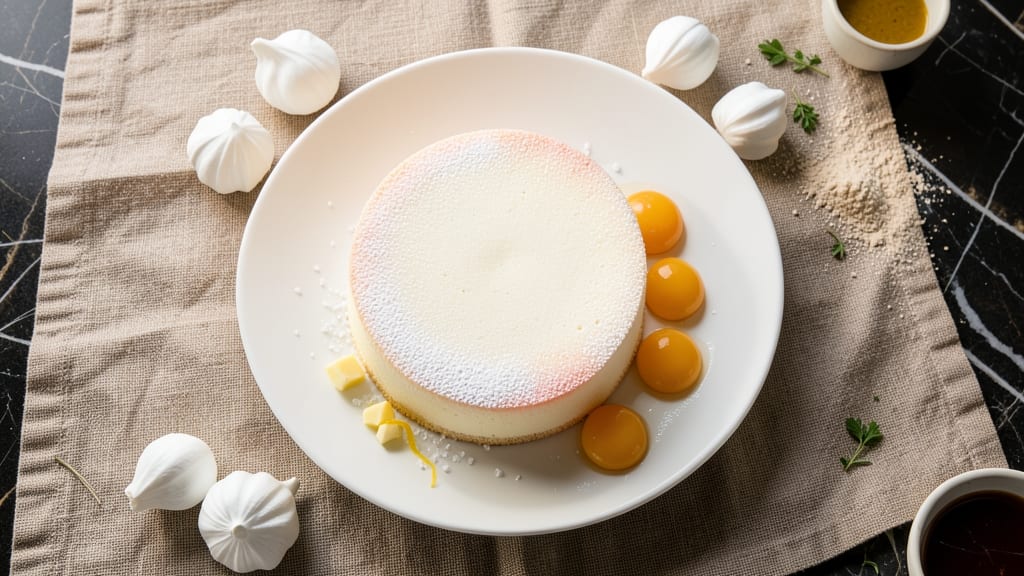
This 4-inch sponge cake recipe delivers the perfect balance of light, airy layers and sturdy structure—ideal for elegant desserts that hold up to vanilla whipped cream without collapsing.
The secret lies in precise egg separation and gentle folding, creating a texture that's impossibly tender yet stable enough to support multiple layers. After years of perfecting this technique, I've developed a method that consistently yields cakes with fine, even crumbs and just the right amount of springiness.
The foundation of this recipe is simple: high-quality ingredients and careful technique. You'll need just seven core components—eggs, sugar, butter, flour, baking powder, salt, and vanilla extract—all combined in a way that maximizes air incorporation while maintaining structure.
The key steps include whipping egg whites to stiff peaks and folding them into the batter at the last possible moment to preserve that critical airiness. This isn't a recipe that relies on shortcuts; every step contributes to the final result.
What sets this sponge cake apart is its ability to hold its shape beautifully when layered with vanilla whipped cream or light fillings. The cake's delicate crumb structure and subtle vanilla flavor make it perfect for classic desserts like layered cakes, trifles, or even individual servings.
The baking time is precise—just 25-30 minutes at 350°F—and the cooling process is crucial for achieving that perfect texture without drying out the cake.
For those looking to elevate this basic recipe, consider adding a simple citrus syrup to the layers or experimenting with different extracts like almond or lemon.
The possibilities for fillings and frostings are endless, but the cake itself remains the star—light enough to feel effortless yet impressive enough for any occasion. Let's get started on creating your perfect sponge cake.
Ingredients for 4 inch sponge cake
Seven essential ingredients transform into a cloud-like sponge cake perfect for layering with vanilla whip.
| Ingredient | Amount | Notes |
|---|---|---|
| Large Egg Whites 🥚 | 5 whole | Room temperature, separated carefully |
| Large Egg Yolks 🥚 | 3 whole | Room temperature, separated carefully |
| Granulated Sugar 🍚 | 1 ½ cups | Superfine preferred for smooth texture |
| Unsalted Butter 🧈 | ¾ cup | Cold, cubed for easy incorporation |
| All-Purpose Flour 🌾 | 1 cup | Sifted, spooned lightly |
| Baking Powder 🍞 | ½ tsp | Freshly tested for lift |
| Fine Sea Salt 🧂 | ¼ tsp | Diamond Crystal preferred |
| Pure Vanilla Extract 🍯 | 1 tbsp | Bourbon or Madagascar preferred |
The eggs are non-negotiable here—room temperature is critical for proper volume. I always grab large eggs from Trader Joe's or Whole Foods for consistent quality. The butter should be cold and cubed to prevent melting during mixing, which can deflate your egg whites. For sugar, superfine is ideal, but if you only have granulated, pulse it in a food processor for a smoother texture. The vanilla extract? Bourbon or Madagascar varieties add depth—skip the imitation stuff. Sift your flour and baking powder together to avoid lumps, and use Diamond Crystal sea salt for that delicate balance of flavor.
No egg whites? Aquafaba works in a pinch—use 3 tbsp for each egg white, but whip it longer to reach stiff peaks. Short on butter? Coconut oil is a neutral substitute, though texture may differ slightly. Running out of vanilla? Almond extract at half the amount gives a similar floral note. The baking powder must be fresh—if it's over a year old, test it by mixing with water (should bubble). For a citrus twist, add 1 tbsp of fresh lemon juice to the batter. And if you're worried about overmixing, trust the process—the gentle folding technique is what creates that signature airiness.
Store the cake in an airtight container with parchment between layers for up to 3 days at room temperature. For longer storage, freeze the fully assembled cake (without frosting) for up to 3 months. To revive, let it sit at room temperature for 15 minutes before serving. The key to perfect texture is cooling gradually—never rush this step. And if you're making multiple cakes, bake them one at a time to avoid overcrowding the oven, which can lead to uneven baking.
Why You'll Love This Recipe
- No Mixer Needed: I swear by this trick—folding stiff egg whites into yolks by hand gives that signature airy crumb without a single whisk stroke. The buttercream? Just whipped butter and sugar, no fancy stabilizers.
- Buttery Sweet Magic: That moment when the sugar melts into the buttercream? Pure joy. The cake itself stays tender but holds its shape—no dry sponge here, just a delicate balance of egg whites and yolks doing their thing.
- Birthday or Breakfast: Slice it for a celebration or stack it for a quick snack. Honestly, I’ve used these cakes for everything from dessert to a fancy brunch base, and they never disappoint. The 4-inch size is perfect for sharing (or not).
- Pantry Staple Power: Five ingredients, zero weird substitutions. The flour and sugar are what you already have, and the eggs? They’re the secret weapon—rich, light, and foolproof. Leftovers? Toast them for a crispy treat next day.
Step-by-step instructions for light-as-air vanilla sponge cake
Here's how to achieve that signature fluffy, stable sponge cake with perfect vanilla flavor integration.
Whip Egg Whites to Peak Stiffness
In a spotlessly clean bowl, combine the 5 whole Large Egg Whites with 0.25 tsp Fine Sea Salt. Using a stand mixer fitted with the whisk attachment, beat on medium speed until soft peaks form. Gradually add 1.5 cups Granulated Sugar, 1 tablespoon at a time, increasing speed to high after each addition.
Continue whipping until the meringue forms glossy, stiff peaks that hold their shape when the whisk is lifted. The mixture should look like thick, shiny frosting that doesn't flatten when tilted. This step creates the airy structure that makes this cake so light—don't rush it, or your cake will be dense.
Fold in Yolks and Butter Gently
In a separate bowl, whisk together the 3 whole Large Egg Yolks, 1 tbsp Pure Vanilla Extract, and remaining 0.5 tsp Baking Powder. Add the 0.75 cup Unsalted Butter (cold and cubed) and whisk until fully incorporated and slightly thickened. This yolk mixture forms the flavor base and helps stabilize the structure.
With a large spatula, gently fold one-third of the meringue into the yolk mixture to lighten it. Then, carefully fold in the remaining meringue in two additions, being sure to cut through the center and scoop from the bottom to maintain air incorporation. The batter should be smooth with no visible streaks—this ensures even baking and maximum volume.
Incorporate Flour for Structure
Sift the 1 cup All-Purpose Flour directly over the batter and use the spatula to fold it in from the bottom up, again cutting through the center. The flour should be completely incorporated but don't overmix—just until no dry streaks remain. The batter will be thick but still pourable, with a ribbon consistency that holds its shape briefly when the spatula is lifted.
This is where the magic happens—the flour adds structure while maintaining that signature lightness. For best results, work quickly but deliberately to preserve the air you've incorporated. If the batter looks too thick, you've overmixed; if it's too thin, you haven't incorporated enough flour.
Bake in a Preheated Pan
Preheat your oven to 350°F. Grease a 4-inch round cake pan generously with butter and dust with flour, tapping out any excess. Pour the batter into the prepared pan and smooth the top with a spatula. Bake for 25-30 minutes, or until the top springs back when gently pressed and a toothpick inserted comes out clean.
The cake should rise dramatically in the oven, developing a golden dome. Here's the thing—don't open the oven door during baking. The sudden temperature change can cause the cake to collapse. When it's done, transfer to a wire rack to cool completely before unmolding.
Pro Tips For Making 4 Inch Sponge Cake
- Whip Whites to Stiff Peaks: I learned this the hard way—stop beating egg whites when they form stiff peaks that just hold their shape when you lift the whisk. Over-whipping turns them into dry, rubbery messes that collapse when folded. And no, "almost stiff" isn’t close enough.
- Room-Temp Butter Matters: Cold butter from the fridge? Skip it. Let that butter sit out for 2 hours (or microwave it in 10-second bursts) until it’s soft but still holds its shape. This ensures even distribution in the batter—no greasy pockets or dense spots. Trust me, your cake’s texture will thank you.
- Don’t Overmix the Dry Ingredients: Fold in the flour gently—just until combined. I used to beat it like a smoothie, and my cakes turned out dense and tough. Think "marry the flour in," not "blend it into oblivion." A spatula works better than a mixer here.
- Bake Until Springy, Not Golden: This cake’s done when the top springs back when pressed, not when it’s golden brown. Overbaking dries it out, and underbaking leaves it gummy. Pull it at 325°F when the edges lift and the center bounces back—yes, even if it looks pale.
Wine and beer pairings for this dish
White Wine Classics
For this delicate sponge cake, crisp Sauvignon Blanc from New Zealand or France is my go-to choice. The bright acidity and citrus notes complement the vanilla without overpowering it. Look for wines with 12-13% ABV—something like Cloudy Bay Sauvignon Blanc or Oyster Bay Sauvignon Blanc from Marlborough.
These wines cleanse your palate between bites and enhance the cake's natural sweetness. 🍷
Sparkling Pairings
Prosecco or Italian sparkling wine (like La Marca Prosecco) adds a festive touch to your dessert. The effervescence cuts through the richness of the cake while its light fruitiness harmonizes beautifully.
For a more premium option, try Veuve Clicquot Yellow Label—its brioche notes create an unexpected but delightful contrast. Serve chilled for the best experience.
Light Beer Options
If you prefer beer, opt for a Belgian Witbier like Hoegaarden or Stella Artois. The coriander and citrus notes in these beers mirror the vanilla and subtle sweetness of the cake.
For a darker option, a pale ale with 5-6% ABV (such as Fat Tire Amber Ale) provides enough malt sweetness to complement without overwhelming. Keep the beer well-chilled to maintain its crispness.
Dessert Wine Harmony
For a special occasion, consider a Moscato d'Asti—its light sweetness and floral aromas enhance the cake's vanilla notes. Alternatively, a Late Harvest Riesling from Germany offers a perfect balance of sweetness and acidity.
Both wines elevate the dessert experience while keeping the focus on the cake's delicate texture. Serve at 50-55°F for optimal flavor.
Coffee Pairing
If you're serving this cake with coffee, go for a light roast like Ethiopian Yirgacheffe or Colombian Supremo. The bright, floral notes of these coffees won't compete with the cake's vanilla flavor.
For a creamier option, a lighter espresso blend (around 18-20% roast) works beautifully. Avoid dark roasts—they can overpower the delicate sponge cake.
Nutrition facts
Frequently asked questions
Why does this sponge cake need egg whites AND yolks?
The yolks add richness and structure while the whites create the signature lightness. The 5 egg whites whipped to stiff peaks incorporate air that makes the cake rise beautifully, while the 3 yolks provide moisture and fat for a tender crumb. Skipping either would compromise texture—too many yolks make it dense, too many whites can make it dry.
Can I use this recipe for a 6-inch cake instead?
Yes, but adjust the baking time and scale ingredients slightly. For a 6-inch pan, bake 30-35 minutes and increase batter by 50% (about 1.5x the recipe). The key is to maintain the same pan depth—too deep a pan will make the cake dense. The 4-inch size works perfectly for individual servings or trifles.
What if my cake collapses after baking?
Most likely, you opened the oven too early or overmixed the batter. The cake should spring back when gently pressed—if it doesn't, it needs more time. For next time, avoid opening the oven door during the first 20 minutes of baking. Also, ensure your egg whites are whipped to stiff peaks (they should stand straight up).
Can I make this cake gluten-free?
Yes, but replace the 1 cup all-purpose flour with a 1:1 gluten-free baking flour blend (like Bob's Red Mill). Add 0.5 tsp xanthan gum to help bind the structure. The texture will be slightly denser, but still light. Test your gluten-free flour first—some brands absorb more liquid than others.
How do I prevent the cake from sticking to the pan?
Grease the 4-inch pan generously with butter, then dust with flour, tapping out excess. For extra insurance, line the bottom with parchment paper. Avoid nonstick spray—it can leave a residue that affects flavor. Always cool the cake in the pan for 10 minutes before unmolding to set the structure.