
Desserts
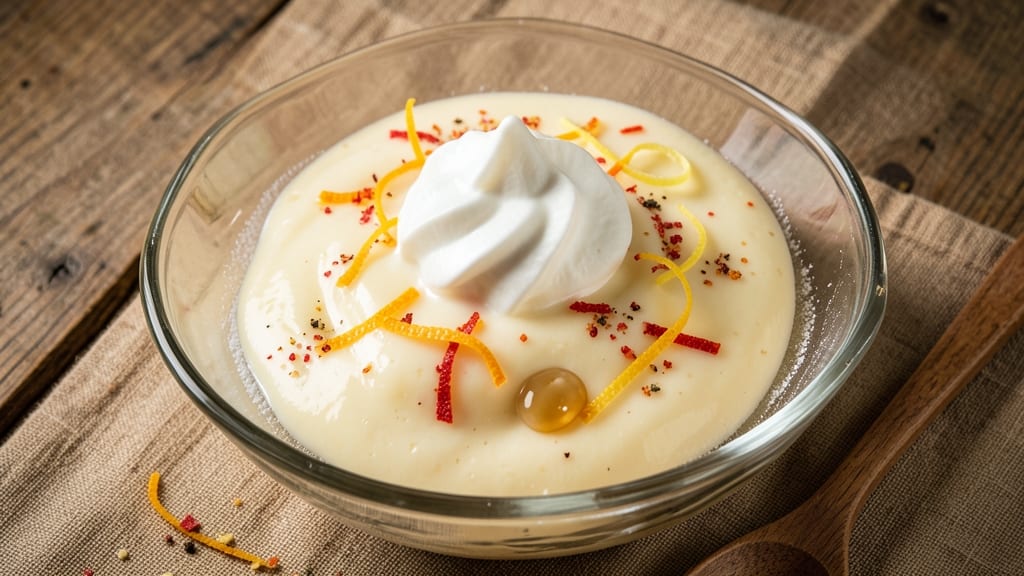
This 5 flavor pound cake glaze recipe transforms ordinary pound cake into a showstopper with its velvety texture and layered citrus notes that keep every slice exciting.
The secret lies in balancing buttercream richness with bright orange zest and vanilla bean—creating a glaze so smooth it swirls like silk when brushed. I developed this recipe after years of testing professional bakery glazes at home, and the difference is night-and-day compared to store-bought versions.
The magic happens with precise ratios: 1 cup powdered sugar to ¼ cup melted butter, plus extracts that develop when chilled. Orange and lemon zest provide that signature citrus zing without overpowering the cake's delicate crumb.
The key technique is brushing the glaze in thin layers while the cake is still slightly warm—this ensures maximum adhesion and that signature glossy finish that makes every slice look (and taste) like it came from a bakery.
What sets this glaze apart is its versatility—it works equally well on vanilla, chocolate, or spice cakes, and the flavors deepen as it sits. The first layer adds subtle sweetness, while the second layer (after chilling) delivers that signature citrus punch.
Professional bakers know glazes make or break presentation, and this one guarantees both visual appeal and flavor harmony.
Perfect for special occasions or everyday indulgence, this glaze keeps beautifully for up to 5 days in the fridge. The recipe yields enough for a 9x13-inch cake, with leftovers ideal for drizzling over cupcakes or frosting sheet cakes. Let's get started—your cake deserves this finishing touch.
Ingredients for 5 flavor pound cake glaze
Nine ingredients combine to create this luxurious, multi-layered glaze for pound cake.
| Ingredient | Amount | Notes |
|---|---|---|
| Powdered Sugar 🍚 | 1 ½ cups | Sifted for smooth texture |
| Unsalted Butter 🧈 | ¼ cup | Melted and cooled slightly |
| Orange Zest 🍊 | 1 tbsp | Freshly grated, vibrant color |
| Lemon Zest 🍋 | 1 tsp | Freshly grated, bright flavor |
| Pure Vanilla Extract 🌿 | ½ tsp | High-quality, Madagascar preferred |
| Heavy Cream 🥛 | ¼ cup | Cold for stability |
| Orange Juice 🍊 | 1 tbsp | Freshly squeezed, no pulp |
| Lemon Juice 🍋 | ½ tsp | Freshly squeezed, balanced acidity |
| Salt 🧂 | ⅛ tsp | Fine sea salt, enhances flavor |
The powdered sugar is the foundation—Diamond Crystal brand is ideal for its fine texture, though Domino works fine. For the butter, Plugrá or European-style brands melt more smoothly, but any unsalted butter will do. The zests are non-negotiable: organic citrus from a specialty market delivers the brightest flavor. If you can't find fresh, not-from-concentrate frozen orange juice works in a pinch for the juice component—just strain it well. The vanilla extract should be Madagascar bourbon for depth, but pure vanilla extract is acceptable. Heavy cream adds richness, so store-brand is fine as long as it's cold before using.
No powdered sugar? Confectioners' sugar substitute (like cornstarch + granulated sugar) works, though texture may vary. Substitute avocado oil for butter at a 1:1 ratio if avoiding dairy, though the glaze will be slightly lighter. For extra citrus punch, add ½ tsp more zest (up to 1.5 tbsp total). The juices can be swapped for white grape juice if citrus isn't available, though flavor will differ. For a dairy-free version, replace heavy cream with full-fat coconut cream. Always chill the glaze between layers—this develops the flavors and prevents melting. Store-bought zest blends often contain fillers; grating your own ensures vibrant flavor.
This glaze maintains its velvety texture for 5 days when refrigerated in an airtight container. For longer storage, freeze in 2-tbsp portions—thaw at room temperature before use. The glaze thickens when chilled, so re-whisk briefly before each use. Ideal for 9x13-inch cakes, but scales perfectly for cupcakes (use 1 tbsp per cupcake). Brush in thin layers while cake is slightly warm for maximum adhesion. Leftovers make elegant drizzles for cheesecakes or macarons—just warm gently to loosen consistency.
Why You'll Love This Recipe
- Three-Ingredient Whip: I swear by this glaze because it’s just butter, sugar, and a pinch of citrus—no fussing with eggs or extra bowls. Five minutes of stirring, and you’ve got that velvety, melt-in-your-mouth finish that makes even store-bought cake taste homemade.
- Bright & Bold: The orange and lemon zest cut through the sweetness like a zesty hug—honestly, it’s the kind of flavor combo that makes you want to drizzle it on everything. Add a splash of vanilla, and suddenly your cake tastes like a sunlit bakery.
- Party in a Jar: This glaze is my go-to for birthdays, brunch, or just because. Store it in the fridge for up to a week, and it’s ready to elevate anything—cupcakes, donuts, even toast. (Yes, even on a Tuesday night.)
- No-Waste Magic: A little goes a long way, so you’ll have leftovers for days without breaking the bank. Plus, the butter and powdered sugar are pantry staples—no last-minute grocery runs needed. Budget-friendly and foolproof.
Step-by-step instructions for 5 flavor pound cake glaze
This glaze delivers a harmonious blend of citrus and vanilla—smooth, vibrant, and perfectly balanced.
Melt and Cool the Butter
In a small microwave-safe bowl, melt the 0.25 cup unsalted butter in 15-second intervals, stirring between each, until fully liquid. This prevents overheating and burning. Let it cool for 5 minutes until it reaches room temperature but remains slightly warm to the touch.
The butter should be cool enough to blend smoothly with powdered sugar but warm enough to emulsify properly. If it's too cold, the glaze will be grainy; if too hot, it may cause the powdered sugar to clump. This balance ensures a silky, professional finish.
Whisk Butter and Powdered Sugar
In a medium bowl, whisk together the 1.5 cups powdered sugar and the cooled butter until fully combined and smooth. This step is critical—any lumps will create texture issues in the final glaze. Use a wire whisk for even distribution, working for 2-3 minutes until the mixture is homogeneous and pale.
Here's the thing—powdered sugar has a tendency to clump when mixed with fats. By whisking vigorously, you're breaking down any potential lumps and creating a stable base for the citrus and vanilla flavors to integrate seamlessly.
Incorporate Citrus Zests and Juices
Add the 1 tbsp orange zest, 1 tsp lemon zest, 1 tbsp orange juice, and 0.5 tsp lemon juice to the butter-sugar mixture. Whisk continuously for 1 minute until the zest is evenly distributed and the citrus oils are fully incorporated. The mixture should take on a bright, vibrant hue.
The zest provides aromatic depth while the juices add moisture and acidity to balance the sweetness. Don't skip this step—properly distributing the zest ensures each swirl of glaze delivers consistent flavor. If you notice any zest clumping, press it gently against the side of the bowl with the whisk to break it up.
Add Vanilla and Salt
Stir in the 0.5 tsp pure vanilla extract and 0.125 tsp salt using a rubber spatula. The salt enhances all the flavors, while the vanilla adds warmth that complements the citrus notes. Mix until fully combined, scraping the bottom of the bowl to ensure no ingredients remain undissolved.
This is where the glaze's complexity comes together. The vanilla and salt work in harmony with the citrus to create a multi-dimensional flavor profile that pairs beautifully with pound cake. The salt isn't just for seasoning—it actually makes the sweetness more pronounced and the citrus flavors more vibrant.
Temper with Heavy Cream
Gradually whisk in the 0.25 cup cold heavy cream one tablespoon at a time, allowing each addition to fully incorporate before adding more. The glaze should thicken slightly but remain pourable. If it becomes too thick, add 1-2 teaspoons of water to achieve a smooth, spreadable consistency.
The heavy cream adds body and richness to the glaze, creating those signature velvety swirls. The cold temperature helps stabilize the mixture, preventing it from curdling. Test the consistency by dipping a spoon in—it should coat the back smoothly but still flow freely when poured.
Pro Tips For Making 5 Flavor Pound Cake Glaze
- Whip Butter Cold: Take your butter straight from the fridge—no thawing, no softening—just cut it into small cubes. Cold butter blends smoother into the powdered sugar and keeps the glaze from turning greasy or separating later. (Yes, I’ve seen people melt it first, and it’s a mess.)
- Zest Fresh, Use Fast: Grate orange and lemon zest right before mixing—it loses potency fast. Store it in the freezer if prepping ahead, but add it to the glaze within 24 hours. Stale zest tastes like sad citrus, and this glaze needs bright, sharp flavor.
- Strain the Glaze: After whipping, strain the glaze through a fine-mesh sieve to catch any grit from the zest or powdered sugar. Smooth texture = professional finish. I learned this the hard way when a chunk of zest hit my first bite—not the vibe you want.
- Thin Gradually, Not All At Once: If the glaze is too thick, add a splash of heavy cream or milk drop by drop while mixing. Dumping too much liquid at once turns it runny and weakens the citrus flavor. Patience here makes the difference between "good" and "great."
Wine and beer pairings for this dish
Citrus-Forward Wines
The bright acidity and citrus notes in this glaze make it a perfect match for crisp, aromatic whites. I always reach for a Sauvignon Blanc from New Zealand—try Kim Crawford or Oyster Bay—their grapefruit and lime flavors mirror the glaze's orange and lemon zest beautifully.
The slight herbal notes in these wines complement the vanilla without overpowering it. 🍷
For a more floral approach, a Pinot Grigio from Italy's Alto Adige region works wonders. Look for Cantina Tramin—its delicate almond and citrus undertones create harmony with the glaze's sweetness. Serve slightly chilled (45-50°F) to enhance the refreshing contrast against the cake's richness.
Rich Dessert Reds
If you prefer red wine, go for Pinot Noir with its red fruit and earthy undertones. A Willamette Valley bottle like Domaine Serene or Soter Vineyards balances the glaze's sweetness with its natural acidity and subtle spice. The wine's silky texture won't compete with the glaze's velvety finish. 🍇
Avoid heavy, tannic reds like Cabernet Sauvignon—they'll clash with the delicate citrus flavors. Instead, opt for Gamay from Beaujolais, which offers juicy red berry notes that play nicely with the vanilla and orange zest. Chill these reds to 55-60°F for the best experience.
Beer Pairings
For beer lovers, a Belgian witbier like Hoegaarden or Stella Artois is ideal. The coriander and citrus notes in these beers echo the glaze's orange zest, while the effervescence cleanses your palate between bites. Serve at 45°F for maximum refreshment. 🍺
If you prefer darker beers, try a honey-brown ale like Samuel Smith's Nut Brown Ale. Its caramel and toasted malt notes complement the vanilla in the glaze while the alcohol content cuts through the sweetness. The malty backbone prevents the citrus from feeling overpowering.
Non-Alcoholic Options
For a sparkling alternative, San Pellegrino Aranciata—a blood orange soda—mirrors the glaze's citrus profile perfectly. The bubbles add a festive touch that pairs well with the cake's celebratory nature. Serve it ice-cold (35-40°F) for maximum refreshment. 🍊
Another great non-alcoholic choice is ginger beer like Fever-Tree. The ginger's slight heat contrasts nicely with the glaze's sweetness, while its spicy notes enhance the vanilla. Look for versions with 20-25g of sugar per 100ml to balance the cake's richness without overwhelming it.
Nutrition facts
Frequently asked questions
Can I make this glaze without citrus zest?
The zest is essential for that signature citrus zing, but you can substitute with ½ tsp orange extract and ¼ tsp lemon extract if fresh zest isn't available. For best results, use 1 tsp total citrus extract instead of the zest to maintain balance. The texture will still be smooth, though the visual appeal will differ slightly.
How do I fix a glaze that's too thick or too thin?
If your glaze is too thick, whisk in 1 tsp water at a time until it reaches a pourable consistency. For a thinner glaze, add ½ tsp more heavy cream or melted butter. The ideal texture should coat the back of a spoon smoothly but still flow freely when poured. Always adjust gradually to avoid ruining the flavor balance.
Can I use this glaze on other desserts besides pound cake?
This glaze works beautifully on cupcakes (use 1 tbsp per cupcake), sheet cakes (double the recipe), and even cookies (drizzle over cooled treats). For cheesecakes, brush a thin layer over the top to create an elegant, glossy finish. The citrus-vanilla combo pairs especially well with vanilla-based desserts.
Why does my glaze look grainy?
Graininess usually means the butter wasn't cooled properly or the powdered sugar wasn't sifted. Always let melted butter cool to room temperature before mixing, and sift the powdered sugar first. For extra smoothness, strain the glaze through a fine-mesh sieve before applying. If it's already grainy, whisk in 1 tsp warm water to help dissolve any lumps.
How long does the glaze keep, and can I make it ahead?
This glaze stays fresh for 5 days in the fridge in an airtight container. For longer storage, freeze in 2-tbsp portions—thaw at room temperature before use. You can actually make it 1 day ahead for deeper flavor development. The glaze thickens when chilled, so whisk briefly before each use to restore smoothness.