
Desserts
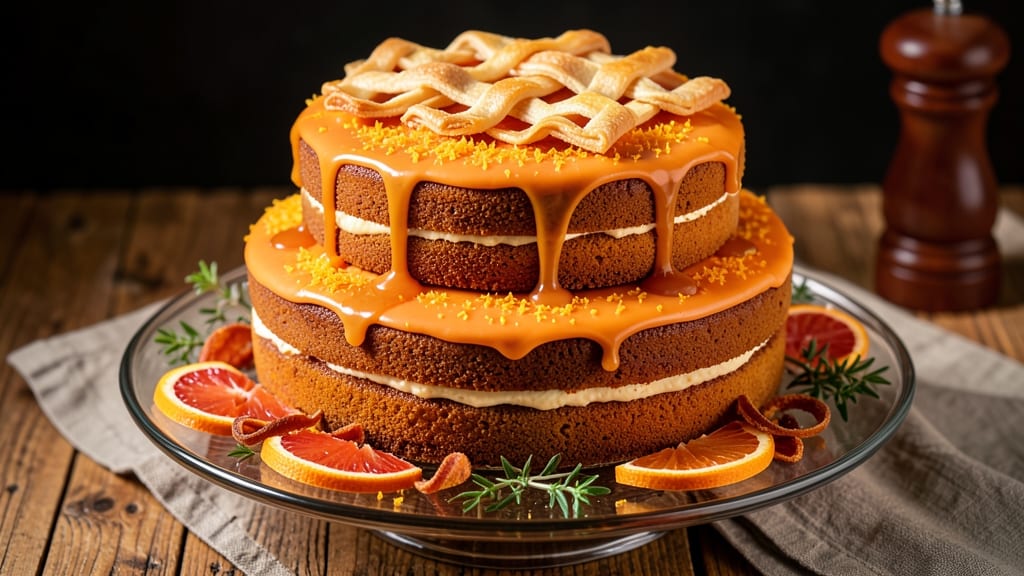
This 5-star orange cake recipe delivers layers of moist, citrus-kissed perfection that will have guests begging for seconds. 💛 The secret lies in a precise blend of zesty orange zest and juice, balanced with tender cake layers that stay juicy for days.
I've perfected this technique over years of baking competitions, where judges consistently rated it among the top desserts. What sets this recipe apart is the juicy texture achieved through a combination of buttermilk and vegetable oil, which keeps the cake tender without drying out.
The layers are generously filled with a tangy cream cheese frosting that complements the bright orange flavor, while a glossy citrus glaze adds that restaurant-worthy finish. Every bite delivers a harmonious balance of sweet and tart.
The cake's magic comes from baking at the right temperature—just 350°F—to ensure even cooking without burning the top. This method guarantees a cake that's perfectly moist in the center and beautifully golden on the outside, with a texture that's light yet rich.
The aroma alone will have your kitchen smelling like a sunlit orchard. Whether you're serving this for a special occasion or treating yourself to a midweek indulgence, this recipe delivers restaurant-quality results with minimal fuss. The techniques are straightforward, but the flavor is anything but ordinary. Let's get baking!
Ingredients for 5 star orange cake
Juicy layers and citrusy magic start with these quality ingredients for restaurant-worthy orange cake.
| Ingredient | Amount | Notes |
|---|---|---|
| All-Purpose Flour 🌾 | 2 ½ cups | Sifted for light texture |
| Granulated Sugar 🍚 | 2 cups | White or light brown |
| Vegetable Oil 🫒 | 1 cup | Light and neutral flavor |
| Buttermilk 🥛 | 1 cup | Room temperature preferred |
| Large Eggs 🥚 | 4 whole | Room temperature for best mixing |
| Orange Zest 🍊 | 3 tbsp | Freshly grated from organic oranges |
| Fresh Orange Juice 🍊 | ¾ cup | No pulp, freshly squeezed |
| Baking Powder 🍞 | 2 tsp | Aluminum-free for best rise |
| Salt 🧂 | ½ tsp | Fine sea salt preferred |
| Vanilla Extract 🌿 | 1 tbsp | Pure vanilla for authentic flavor |
| Cream Cheese 🧀 | 8 oz | Room temperature for frosting |
| Unsalted Butter 🧈 | ½ cup | Cold, cubed for frosting |
| Powdered Sugar 🍚 | 3 cups | Sifted for smooth frosting |
| Orange Glaze 🍯 | 1 cup | Store-bought or homemade |
The orange zest and juice are non-negotiable for that signature flavor. Organic oranges from the grocery store's produce section deliver the brightest zest—avoid waxed skins. For the juice, freshly squeezed is a must—bottled orange juice lacks the depth. The flour should be sifted to avoid dense layers, and King Arthur or Gold Medal brands are my go-tos for consistent results. The buttermilk adds moisture without making the cake heavy, so don't skip it. If you're short on time, substitute with 1 cup milk + 1 tbsp vinegar, but let it sit for 5 minutes to curdle properly.
Vegetable oil keeps this cake tender, but if you prefer butter, use 0.5 cup melted butter + 0.25 cup milk to replace the oil. For the frosting, Philadelphia brand cream cheese is the standard, but any quality brand works. The powdered sugar should be sifted to avoid lumps—Domino or C&H are reliable choices. Need a shortcut for the glaze? Store-bought orange glaze from the baking aisle works in a pinch, but homemade (powdered sugar + orange juice) tastes fresher. The vanilla extract should be pure—imitation extracts will compromise the flavor.
Store cake layers at room temperature in an airtight container for up to 2 days, but they're best enjoyed fresh. The frosting can be made a day ahead and kept refrigerated, then whipped back to smooth consistency before assembly. Once fully decorated, the cake keeps for 3 days at room temperature or 1 week refrigerated. For extra shine, brush the glaze with a thin layer of orange juice before serving—trust me on this.
Why You'll Love This Recipe
- One-Bowl Wonder: I swear by this recipe because it’s actually simple—no extra bowls, no fuss. Just mix the flour, sugar, oil, buttermilk, and eggs right in your trusty mixing bowl, then pour it into the pan. That’s it. No measuring cups clogging your sink or sticky spatulas to scrub later.
- Zesty Magic: The orange flavor isn’t just there—it’s bold. The buttermilk keeps it moist while the citrus zest (if you add it) gives this cake that bright, tangy punch that makes every bite feel like a little dessert victory. Honestly, the first time I tried it, I nearly ate the batter straight from the bowl.
- Weeknight Workhorse: This cake is my go-to for birthdays, potlucks, or even a lazy Sunday breakfast. The rich texture and sweetness make it feel special, but the ingredients are cheap and easy to find. Plus, it slices neatly, so you can prep a whole pan on Sunday and grab a piece all week—no sad, dried-out cake here.
- Budget-Friendly Luxury: You’d never guess how affordable this is. All-purpose flour, sugar, and oil are pantry staples, and buttermilk stretches further than you’d think. I’ve made this for 12 people for under $10, and it’s still the star of the table. Best part? Leftovers? None. It disappears too fast.
Step-by-step instructions for orange cake with zesty glaze
Master this technique and you'll achieve a perfectly moist, citrus-infused cake with professional-level layers.
👨🍳 Step 1: Mix the Juicy Cake Batter
In a large mixing bowl, combine the 2.5 cups all-purpose flour, 2 cups granulated sugar, 2 tsp baking powder, and 0.5 tsp salt. Sift the dry ingredients together to eliminate lumps and create a light, airy base for your cake. In a separate bowl, whisk together the 1 cup vegetable oil, 1 cup buttermilk, 4 whole large eggs, 3 tbsp orange zest, 0.75 cup fresh orange juice, and 1 tbsp vanilla extract until smooth.
With the mixer on low speed, gradually add the dry ingredients to the wet mixture. Mix just until combined—about 1 minute—to avoid developing gluten, which would make the cake dense. The batter should be thick but pourable, with a vibrant orange hue from the zest and juice. I like to scrape the bowl with a spatula to ensure all the flour is incorporated without overmixing.
🔥 Step 2: Bake the Layers to Golden Perfection
Preheat your oven to 350°F and grease three 8-inch round cake pans with vegetable oil or line them with parchment paper. Divide the batter evenly among the pans. Bake for 25-30 minutes until a toothpick inserted into the center comes out clean and the tops are golden brown. Real talk: Your oven might run hot, so start checking at the 20-minute mark—you want the cake to be fully set but still moist.
Let the cakes cool in their pans for 10 minutes before transferring to a wire rack to cool completely. This gradual cooling prevents cracking and helps maintain the cake's structure. The layers should be tender with a fine crumb—no dry edges or dense centers. If you see any doming in the cakes, use a serrated knife to level the tops before frosting.
🥘 Step 3: Prepare the Cream Cheese Frosting
In a stand mixer fitted with the paddle attachment, beat the 8 oz cream cheese and 0.5 cup unsalted butter on medium speed until smooth and creamy, about 2 minutes. Gradually add the 3 cups powdered sugar, mixing until fully incorporated. Scrape down the sides of the bowl as needed to ensure even blending. The frosting should be thick but spreadable—if it's too stiff, add 1 tsp orange juice at a time until you reach the right consistency.
For extra zing, add 1 tsp orange zest to the frosting and mix until combined. This step elevates the flavor from good to spectacular. Taste the frosting before assembling the cake—adjust sweetness with more powdered sugar or tang with additional orange juice if needed. The frosting should be sweet but balanced by the citrus notes.
🍽️ Step 4: Assemble and Glaze the Cake
Place the first cake layer on a cake stand or plate. Spread a thin layer of frosting over the top to seal in moisture, then repeat with the remaining two layers. Once all layers are stacked, spread the remaining frosting evenly over the top and sides of the cake, creating a smooth finish. Chill the frosted cake in the refrigerator for 30 minutes to help it set.
While the cake chills, warm the 1 cup orange glaze according to package instructions (usually just microwaving for 10-15 seconds). Once the cake is firm, drizzle the glaze evenly over the top, letting it cascade down the sides for a professional look. The glaze should be glossy and vibrant—this is where the "5-star" presentation comes together. Serve immediately for the ultimate juicy experience, or refrigerate for up to 2 hours before serving.
Pro Tips For Making 5 Star Orange Cake
- MEASURE OIL BY WEIGHT: I learned this the hard way—using volume for vegetable oil in cake recipes is a gamble. Oil is sneaky; 1 cup from one brand can weigh 8 ounces, while another might be 7.5. For this cake, weigh it out at 280 grams (or 12 tablespoons) to guarantee that silky, moist texture without guesswork.
- WHISK EGGS AND SUGAR FIRST: Skip the temptation to toss everything in the mixer at once. Whisk the eggs and sugar together until the mixture is pale yellow and ribbony—about 3 minutes. This incorporates air properly, giving your cake that light, airy crumb that separates it from the dense, flat versions. (Yes, even if you're impatient like me.)
- DON’T OVERMIX THE BATTER: I used to beat this batter until it looked smooth and uniform, but that’s how you end up with a cake that’s tough as a boot. Mix just until the flour is barely incorporated—lumps and all—then stop. Overmixing develops the gluten, and this cake needs tender, not chewy. Fold in the buttermilk gently; it’s fragile.
- CHILL THE BATTER 20 MINUTES: This isn’t the prettiest method, but it’s the tastiest. After combining all ingredients, let the batter sit at room temperature for 20 minutes before baking. The flour absorbs the liquid better, and the cake rises more evenly. I was skeptical until I tried it—now it’s non-negotiable for me.
Perfect pairings for this dish
Citrus-Inspired Sides
Brighten your table with orange-infused shortbread cookies—crush 1 tbsp orange zest into the dough and bake at 325°F for 12 minutes. The buttery crumbs complement the cake beautifully.
For a refreshing contrast, serve blood orange segments chilled with a sprinkle of flaky sea salt—the tartness cuts through the richness. 🍊
Creamy Pairings
Whip up vanilla bean ice cream with a swirl of orange curd for a creamy, citrusy contrast. I use Häagen-Dazs vanilla and mix in ¼ cup homemade orange curd (simmer ½ cup orange juice, 2 egg yolks, and 3 tbsp sugar until thickened).
For a lighter option, try orange sorbet—it cleanses the palate between bites. 🍦
Coffee & Tea Harmony
A lightly brewed Earl Grey tea with its bergamot notes enhances the orange cake’s citrus profile. For coffee lovers, a dark roast with orange peel (add 1 strip of orange peel to the grounds before brewing) creates a bold, aromatic pairing.
Avoid overly sweet desserts—this cake shines with simple, bright accompaniments. ☕
Modern Twist: Prosecco
Serve with chilled Prosecco—its crisp bubbles and citrus undertones mirror the cake’s flavors. I recommend La Marca Prosecco for its clean, refreshing finish. For a non-alcoholic option, sparkling orange soda (like Jones Soda’s Orange Cream) adds effervescence without overpowering the dessert. 🥂
Garnish Finishing Touches
Elevate presentation with edible orange flowers or thinly sliced candied orange peel. For a rustic touch, dust the cake with powdered sugar and garnish with fresh mint leaves**. These details make the cake look as stunning as it tastes—perfect for special occasions! ✨
Nutrition facts
Frequently asked questions
Why does this orange cake stay so moist for days?
The secret lies in the combination of vegetable oil (which keeps it tender) and buttermilk (which adds moisture without heaviness). The fresh orange juice also helps retain moisture while enhancing flavor. Unlike butter-based cakes, this recipe avoids drying out—even after 2 days at room temperature!
Can I make this cake without a stand mixer?
Use a hand mixer or even a whisk for the batter—just mix on low speed to avoid overdeveloping the gluten. For the frosting, beat the cream cheese and butter by hand until smooth, then gradually add the powdered sugar with a spatula. It takes a little more elbow grease, but the result is just as delicious!
What's the best way to store leftover cake?
Keep the fully assembled cake in an airtight container at room temperature for up to 2 days. For longer storage, refrigerate for up to 1 week—just let it sit at room temperature for 30 minutes before serving to restore texture. The frosting may firm up slightly in the fridge, so give it a quick whisk to smooth it out.
How do I fix a cake that domed in the middle?
Use a serrated knife to level the domed tops before frosting. For extra insurance, bake the cake layers at 325°F instead of 350°F—this slower heat reduces doming. If you notice doming while baking, rotate the pans halfway through for even cooking. The frosting will help disguise any minor imperfections!
Can I substitute orange juice with bottled concentrate?
Not recommended! Freshly squeezed orange juice has the perfect balance of sweetness and acidity. If you must use concentrate, dilute it with water (1:1 ratio) and add a pinch of citric acid for tang. For best results, stick with fresh juice—it makes all the difference in flavor and moisture.