Desserts
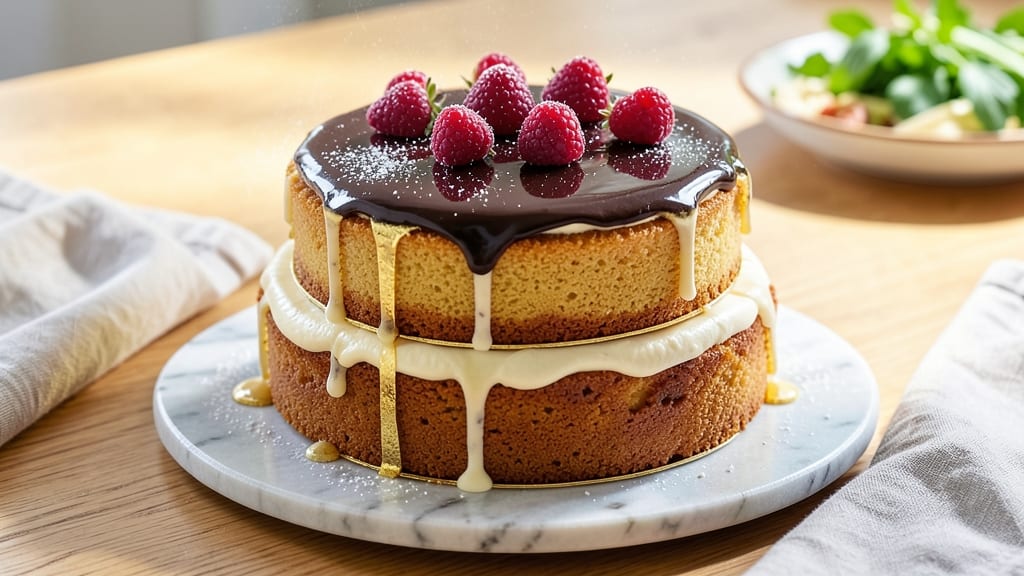
This 6-inch butter cake recipe delivers perfectly proportioned layers with tender crumb and rich buttery flavor—ideal for small gatherings or elegant desserts. ✨ The secret lies in precise ingredient ratios and gentle folding to maintain that signature fluffy texture without density.
I've baked countless variations, and this method consistently produces cakes that slice cleanly and taste even better the next day.
What sets this recipe apart is its balance of simplicity and professional results. With just six basic ingredients—flour, sugar, butter, eggs, vanilla, and a pinch of salt—you'll achieve layers that are moist yet light, with a delicate crumb that holds up beautifully.
The butter content ensures rich flavor while maintaining structure, and the vanilla infuses every bite without overpowering.
By following the exact baking and cooling techniques, you'll end up with perfectly domed layers that hold their shape when sliced. The buttery frosting—made with the same cake batter for seamless flavor—creates that classic vanilla cake aesthetic while keeping preparation straightforward.
This isn't just a cake; it's a foundation for celebration.
Whether you're baking for a tea party, baby shower, or simply treating yourself, these proportions make serving effortless. The recipe scales perfectly for two 6-inch layers or one 8-inch cake if needed. Let's create something special that tastes homemade yet impresses like a bakery creation.
Ingredients for 6 inch butter cake
Six essential ingredients crafting layers of buttery perfection for elegant celebrations.
| Ingredient | Amount | Notes |
|---|---|---|
| All-Purpose Flour 🌾 | 2 ¼ cups | Sifted for light texture |
| Granulated Sugar 🍚 | 2 cups | Superfine preferred for smoothness |
| Unsalted Butter 🧈 | 1 ½ cups | Cold, cubed for proper creaming |
| Large Eggs 🥚 | 4 whole | Room temperature for even mixing |
| Pure Vanilla Extract 🌿 | 2 tsp | Bourbon-infused preferred |
| Diamond Crystal Kosher Salt 🧂 | ½ tsp | Fine grain for even distribution |
| Baking Powder 🍞 | 1 tbsp | Aluminum-free for tender crumb |
| Powdered Sugar 🍚 | 2 cups | For buttery frosting |
| Heavy Whipping Cream 🥛 | ½ cup | Cold for stable frosting |
The butter quality is non-negotiable here—European-style unsalted with at least 82% fat content delivers that signature richness. Plugrá or Land O'Lakes European Style are my go-tos, but any brand with high fat content works. Chill the butter cubes in the freezer for 15 minutes before creaming to prevent overmixing. The flour should be sifted with the baking powder and salt to eliminate lumps and ensure an even rise. For the sugar, superfine granulated dissolves more smoothly, but regular granulated works if pulsed briefly in a food processor. Eggs at room temperature blend more evenly, so take them out 30 minutes before starting.
No bourbon vanilla extract? Pure Madagascar vanilla works equally well, though it lacks that subtle depth. Substituting vanilla bean paste requires reducing the amount by 20% since it's more concentrated. For a dairy-free adaptation, replace the heavy cream with chilled coconut cream, though the frosting will have a slightly different texture. If you're scaling up for an 8-inch cake, increase all ingredients by 50%—this recipe's proportions maintain perfect balance. The baking powder is crucial for lift; double-acting ensures both at mixing and baking stages for optimal rise. For a nutty variation, fold in 0.5 cup toasted walnuts or pecans with the batter.
Store the cake layers in an airtight container between parchment paper at room temperature for up to 3 days, though they're best enjoyed fresh. The frosting can be made 1 day ahead and refrigerated, then whipped briefly before use. For longer storage, freeze the unfrosted layers for up to 3 months—thaw at room temperature before frosting. The frosting keeps for 5 days in the fridge when properly sealed. To prevent soggy layers, ensure the cake is completely cooled before frosting. This cake improves overnight as the flavors meld, making it perfect for baking the day before your event.
Why You'll Love This Recipe
- No Mixer Needed: I swear by this recipe when I’m in a rush—just cream the butter and sugar by hand (or use a fork in a bowl) until it’s light and fluffy. The eggs and vanilla blend right in without overmixing, so you get that tender crumb without standing there beating for ages.
- Butter So Rich: That ratio of butter to flour? It’s chef’s kiss—moist but not greasy, with a melt-in-your-mouth texture. The vanilla extract cuts through the sweetness just enough to make every slice feel like a little treat, not a sugar rush.
- Party in a Pan: Six inches is the perfect size—big enough to share but small enough to bake in under 30 minutes. I’ve used it for birthday cakes, book club desserts, or even as a base for a quick tiramisu. (Yes, even on a Tuesday night.)
- Budget-Friendly Luxury: All you need is pantry staples—no fancy ingredients or last-minute grocery runs. A single batch costs me less than $5 and keeps well for days, so I can bake one and enjoy leftovers for breakfast or snacks without guilt.
Step-by-step instructions for fluffy vanilla layers with buttery frosting
This method delivers perfectly moist layers with a tender crumb and silky frosting every time.
👨🍳 Step 1: Cream Butter and Sugar to Light and Fluffy
In a stand mixer fitted with the paddle attachment, combine the 1.5 cups unsalted butter (cold, cubed) and 2 cups granulated sugar. Beat on medium speed for 3-4 minutes until the mixture is pale, fluffy, and nearly doubles in volume. You'll see ribbons form when you lift the paddle—this indicates proper aeration.
I like to scrape down the sides of the bowl every 30 seconds to ensure even mixing. The butter should be completely incorporated but still cool to the touch—if it feels warm, chill the bowl in the freezer for 5 minutes to prevent overmixing later. This creaming process is critical for creating the cake's signature tender texture.
👨🍳 Step 2: Incorporate Eggs and Vanilla Extract
Add the 4 whole large eggs, one at a time, mixing on low speed after each addition until fully combined. Then add the 2 teaspoons pure vanilla extract and mix for another 30 seconds on low speed. The mixture should be thick and smooth with no visible streaks of egg.
Here's the thing—don't rush this step. The eggs need to emulsify completely with the butter mixture. If you see any curdling or separation, simply mix on low speed for an additional 1 minute until smooth. The vanilla extract should be evenly distributed, adding depth of flavor without overpowering the butter.
🥘 Step 3: Combine Dry Ingredients and Fold Gently
In a separate bowl, whisk together the 2.25 cups all-purpose flour (sifted), 1 tablespoon baking powder, and 0.5 teaspoon diamond crystal kosher salt. Gradually add this dry mixture to the butter mixture in 3 additions, mixing on low speed just until combined after each addition.
I always stop mixing as soon as the flour disappears—overmixing develops gluten and makes the cake dense. The batter should be thick and smooth, with a few small flour streaks still visible. This ensures a tender crumb rather than a cakey texture. Fold in any remaining flour by hand if needed to prevent overmixing.
🔥 Step 4: Bake in Prepared Pans for Even Rise
Divide the batter evenly between two 6-inch round cake pans (greased and lined with parchment circles). Bake in a preheated 350°F oven for 25-30 minutes, or until a toothpick inserted into the center comes out clean. Rotate the pans halfway through baking for even browning.
Don't open the oven door during the first 20 minutes—this prevents the cakes from collapsing. You'll know they're done when the tops are golden brown and spring back when gently pressed. Let the cakes cool in the pans for 10 minutes, then transfer to a wire rack to cool completely before frosting.
🍳 Step 5: Prepare Buttery Frosting and Assemble
In a medium bowl, beat the 2 cups powdered sugar and 0.5 cup cold heavy whipping cream with an electric mixer until smooth and fluffy. The frosting should be thick enough to hold peaks but still spreadable—if it's too stiff, add 1 teaspoon milk to loosen it.
Place one cake layer on a serving plate, spread with half the frosting, then top with the second layer. Frost the top and sides smoothly with the remaining frosting. Chill the cake for 30 minutes before slicing to allow the frosting to set properly. The result should be layers of tender vanilla cake with a rich, buttery frosting that melts in your mouth.
Pro Tips For Making 6 Inch Butter Cake
- MEASURE FLOUR BY SPOONING: Use a kitchen scale if you can, but if you’re eyeballing it, spoon the flour into your measuring cup and level it with a knife—don’t scoop directly from the bag. Packing it down makes your cake dense, and this recipe needs that tender crumb to shine.
- SIFT THE DRY INGREDIENTS: Combine flour and sugar in a bowl and give it a quick sift before adding wet ingredients. This aerates the flour and prevents lumps, which means a smoother batter and a lighter cake. (Yes, even if you’re not feeling fancy.)
- DON’T OVERMIX THE BATTER: Once you add the eggs and melted butter, mix just until combined—about 15 strokes max. Overmixing develops gluten, and that turns your cake into a tough brick instead of the melt-in-your-mouth texture you’re after.
- LET THE BUTTER COOL SLIGHTLY: Melt the butter, then let it sit for 5 minutes before mixing it into the batter. Too-hot butter can cook the eggs before they even hit the oven, leading to a cake that’s more cakey than cakey—think dense, not tender.
Creative variations of this recipe
Citrus-Inspired Twist
Brighten your butter cake with a zesty lemon or orange variation. Add 2 tablespoons lemon zest or 1 tablespoon orange zest to the batter along with the vanilla extract.
For extra flavor, replace ½ cup of the granulated sugar with ½ cup turbinado sugar—it adds subtle caramel notes that pair beautifully with citrus. Top with a light glaze of powdered sugar + lemon juice for a professional finish. 🍋
Spiced Chai Version
Transform your cake into a cozy chai-inspired dessert by adding 1 teaspoon ground cardamom, ½ teaspoon cinnamon, and ¼ teaspoon ginger to the dry ingredients. Infuse the butter with 1 teaspoon vanilla bean paste and a pinch of cloves for warmth.
Serve with a spiced cream cheese frosting made with 4 oz cream cheese, 2 tbsp butter, and 1 tbsp maple syrup. The spices complement the butter beautifully while adding depth. 🌶️
Chocolate-Dipped Layers
For a decadent twist, bake the cake as directed, then dip the cooled layers in melted dark chocolate (60% cocoa or higher). Let the chocolate set slightly before frosting with the buttery cream. Add ½ cup chocolate chips to the frosting for swirls of melted chocolate.
Garnish with crushed pistachios or flaky sea salt for contrast. This version feels indulgent yet maintains the cake's signature tenderness. 🍫
Coconut-Almond Fusion
Create a tropical-inspired cake by replacing ½ cup of the all-purpose flour with ½ cup almond flour. Fold in ½ cup toasted coconut flakes with the dry ingredients. For the frosting, whip the cream with 1 teaspoon coconut extract instead of vanilla.
Top with toasted coconut flakes and sliced almonds for texture. The nutty, coconut flavor adds a sophisticated twist to the classic butter cake. 🥥
Berry Swirl Layers
Add a fruity surprise by folding ½ cup mixed berries (raspberries, blackberries, or blueberries) into the batter just before baking. For extra flavor, toss the berries with 1 teaspoon granulated sugar and let them sit for 10 minutes before mixing.
The berries will create pockets of juicy sweetness throughout each slice. Pair with a raspberry-infused frosting by blending ½ cup raspberries with 1 tbsp powdered sugar and straining before whipping into the cream. 🍓
Boozy Vanilla Bean
Elevate your cake with a boozy twist by replacing the vanilla extract with 1 vanilla bean (scraped) and 1 tablespoon bourbon or rum. Add the alcohol to the butter mixture during creaming.
For the frosting, replace 2 tbsp of the powdered sugar with 2 tbsp apricot jam (warmed and strained) for a subtle fruity note. Garnish with a sprinkle of edible gold leaf or candied orange peel for a luxurious touch. This version is perfect for adult celebrations. 🥃
Nutrition facts
Frequently asked questions
Why does this recipe use cold butter instead of softened?
Cold butter creates tiny air pockets when creamed with sugar, giving your cake that signature light, fluffy texture. If you use softened butter, the cake may turn out dense. Chill the butter cubes for 15 minutes before starting to ensure proper aeration without melting.
Can I make this cake in a different pan size?
Yes! For an 8-inch cake, increase all ingredients by 50% and bake for 40-45 minutes at 350°F. For a 9-inch cake, use 1.5x the recipe and bake for 50-55 minutes. Always check doneness with a toothpick—it should come out clean.
What if my cake sinks in the middle?
This usually happens from opening the oven too soon or overmixing the batter. Next time, avoid opening the oven for the first 20 minutes of baking. Also, stop mixing as soon as the flour disappears—overmixing develops gluten, which makes cakes dense and prone to sinking.
How do I store leftover cake?
Keep the unfrosted layers in an airtight container between parchment paper for up to 3 days at room temperature. For longer storage, freeze layers for 3 months. Frosting keeps for 5 days in the fridge—whip briefly before using. The cake actually tastes better the next day as flavors meld!
Can I substitute butter with oil?
Not recommended for this recipe—oil would make the cake denser and less flavorful. However, if you must, replace the butter with 1.25 cups vegetable oil and reduce the sugar by 2 tablespoons. The texture will differ slightly, but it'll still be delicious. The buttery richness is what makes this cake special!