
Desserts
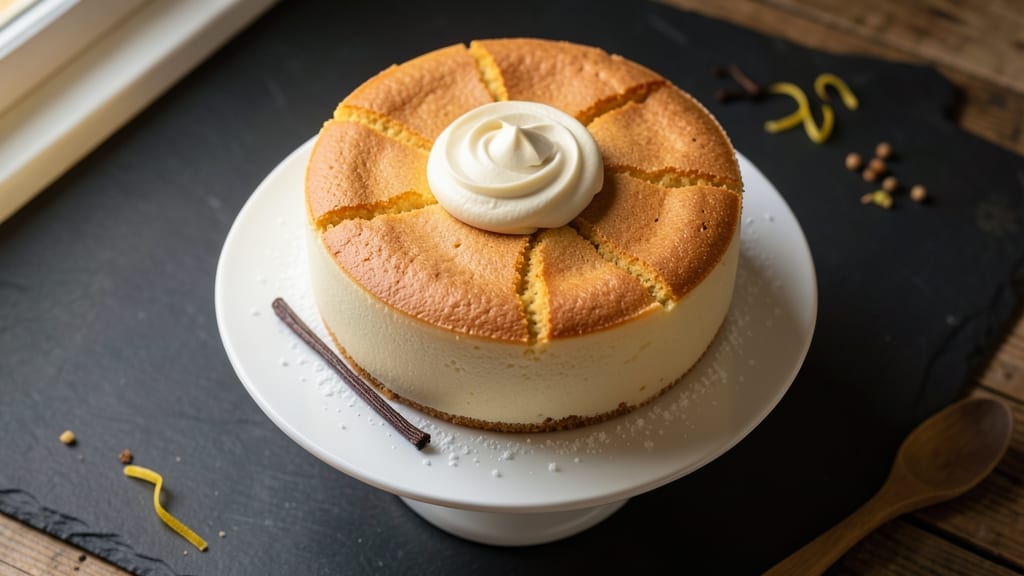
This 6-inch genoise cake recipe delivers the perfect balance of delicate layers and rich frosting—ideal for elegant desserts or celebration cakes. The secret lies in the Swiss meringue method, where egg yolks and sugar are gently heated before folding in stiffly whipped egg whites.
This technique creates a light, airy texture that's impossible to resist. What sets this recipe apart is its simplicity: just six basic ingredients, yet the result is restaurant-quality. The cake bakes in 20-25 minutes at 325°F, yielding tender layers that hold up beautifully to buttercream or ganache.
No specialized equipment is needed—just a standard oven and mixing bowls. The finished cake features evenly risen layers with a tender crumb and subtle sweetness, perfectly balanced by the buttery frosting. Whether you're a beginner or experienced baker, this recipe ensures professional results every time.
Store properly, and it stays fresh for up to 5 days, making it perfect for prepping ahead. Let's get started on creating your perfect genoise cake.
Ingredients for 6 inch genoise cake
Six ingredients transform into a cloud-like genoise with Swiss meringue magic—elegant enough for celebrations, simple enough for weeknights.
| Ingredient | Amount | Notes |
|---|---|---|
| Large Egg Whites 🥚 | 5 whole | Room temperature, separated carefully |
| Large Egg Yolks 🥚 | 3 whole | Room temperature, separated carefully |
| Granulated Sugar 🍚 | 1 ½ cups | Superfine preferred for smooth texture |
| Unsalted Butter 🧈 | ¾ cup | Cold, cubed for frosting |
| All-Purpose Flour 🌾 | ¼ cup | Sifted for lightness |
| Vanilla Extract 🌿 | 1 tsp | Pure vanilla preferred |
| Salt 🧂 | ¼ tsp | Fine sea salt preferred |
| Lemon Zest 🍋 | 1 tsp | Freshly grated for brightness |
The egg whites are non-negotiable here—room temperature makes all the difference. Whole Foods or Trader Joe's sell them pre-separated for convenience, but separating them yourself ensures no yolk traces. For sugar, superfine dissolves faster, but regular granulated works if pulsed briefly in a food processor. The butter? European-style like Plugrá or Miyoko's melts beautifully—don't skimp. Fresh lemon zest adds that bright, professional touch; organic lemons from the grocery store's produce section work perfectly.
No vanilla extract? Vanilla bean paste works at half the amount, or a scraped vanilla bean. The flour can be swapped for cake flour if you've got it—just reduce to 0.2 cup for a lighter crumb. Running short on butter? Coconut oil (solid) works in a pinch, though texture differs slightly. For the Swiss meringue step, heat the yolks and sugar to 160°F—use a candy thermometer for precision. Overheating? Start again. The secret to even layers is folding gently—think marbling, not mixing.
Store the cake in an airtight container between layers of parchment for up to 5 days at room temperature. For longer storage, freeze the assembled cake (without frosting) for 3 months. The frosting? Whip it up fresh—room temperature butter is key. If you're prepping ahead, make the frosting first and store it chilled. Reheat gently before spreading for that silky finish. And trust me, the first slice is always the best.
Why You'll Love This Recipe
- No-Fuss Whisking: I swear by this recipe because it’s all about folding—no heavy mixing, no overworking the batter. Just whisk yolks and sugar until pale, then fold in stiff egg whites like you’re tucking in a blanket. The texture comes from technique, not brute force.
- Buttery Lightness: That buttercream swirl? It’s not just decoration—it’s the star. The genoise itself is tender but sturdy, with a whisper of flour keeping it from being too delicate. One bite and you’ll taste why separating yolks and whites matters so much.
- Half-Sheet Hero: I make two 6-inch rounds and call it a dessert for four—or a single serving with serious leftovers. The small size means I can bake it on a busy weeknight without heating up the whole kitchen, and the portions are just right for sharing (or not).
- Pantry Staple Magic: Here’s what sold me—it uses what I already have. Eggs, sugar, butter, flour: no specialty ingredients, no last-minute grocery runs. Even if you’re baking on a budget, this delivers restaurant-quality layers without the markup. (Yes, even on a Tuesday night.)
Step-by-step instructions for light-as-air genoise cake
Here's how to create a perfectly airy genoise with tender layers and silky frosting.
Separate Egg Whites and Prepare the Base
Begin by separating the 5 whole large egg whites from the 3 whole large egg yolks, ensuring no yolk traces contaminate the whites. I like to use two separate bowls—one for yolks and one for whites—to keep things organized. Add the 1.5 cups granulated sugar to the yolks and whisk until fully dissolved and slightly thickened.
Next, add the 1 tsp vanilla extract, 1 tsp lemon zest, 0.25 tsp salt, and 0.25 cup sifted all-purpose flour to the yolk mixture. Whisk until smooth and well combined. This step ensures the yolks are properly flavored and the flour is evenly distributed for a light texture. The lemon zest adds a bright, citrusy note that balances the richness of the cake.
Whip Egg Whites to Stiff Peaks
In a separate, spotlessly clean bowl, whip the 5 whole large egg whites on medium speed until soft peaks form. Gradually add ½ cup of the 1.5 cups granulated sugar while whipping on high speed. Continue whipping until the meringue is glossy and holds stiff peaks—this should take about 3-4 minutes. The sugar stabilizes the meringue and gives the cake its signature lightness.
Here's the thing—don't rush this step. Under-whipped egg whites won't incorporate properly, leading to dense cake layers. You'll know it's ready when the meringue stands in a peak when you lift the whisk. If the bowl gets too warm, chill it for 5 minutes to prevent over-whipping.
Fold Meringue into Yolk Mixture
Gently fold one-third of the whipped egg whites into the yolk mixture using a spatula, being careful not to deflate the meringue. Then, fold in the remaining egg whites in two additions, alternating directions each time. This technique ensures the batter stays light and airy without losing volume. The goal is to create a smooth, ribbony batter that holds its shape when lifted.
Don't overmix—just until the batter is fully combined and no streaks remain. If you see a few streaks, that's okay; they'll disappear when baked. The batter should be thick and glossy, almost like a pale, fluffy pudding. This is the moment that matters: proper folding guarantees your cake will rise beautifully.
Bake the Genoise Layers
Preheat your oven to 350°F and grease two 6-inch round cake pans with nonstick spray or butter. Divide the batter evenly between the pans and smooth the tops with a spatula. Bake for 18-22 minutes, or until the edges pull away from the pan and a toothpick inserted into the center comes out clean.
I know it seems weird, but trust me—don't overbake. The cake will continue cooking as it cools, and overbaking leads to dryness. The tops should be golden but not browned. Let the cakes cool in the pans for 10 minutes, then transfer to a wire rack to cool completely before frosting.
Prepare the Buttercream Frosting
In a stand mixer fitted with the paddle attachment, beat the 0.75 cup cold unsalted butter on medium speed until creamy. Gradually add the remaining ½ cup granulated sugar and mix until combined. Add the 1 tsp vanilla extract and 0.25 tsp salt, then beat on high speed for 3-4 minutes until light and fluffy.
This frosting is the star of the show—it should be smooth, spreadable, and hold its shape. If it's too soft, chill it for 15 minutes before using. Once the genoise layers are completely cool, spread the frosting between them and on the outside of the cake. The contrast of the airy cake and rich buttercream is what makes this recipe truly special.
Pro Tips For Making 6 Inch Genoise Cake
- Whip Whites to Stiff Peaks: Use a stand mixer with the whisk attachment—beat the egg whites on medium-high until they form stiff peaks that hold their shape when you lift the whisk. I learned this the hard way: soft peaks collapse mid-bake, leaving a dense cake. If your whites look glossy but flop over, keep going—another 30 seconds makes all the difference.
- Room Temperature Eggs Only: Take yolks and whites out of the fridge 30 minutes before starting. Cold eggs whip poorly and won’t incorporate sugar evenly, leading to a grainy texture. I used to skip this and wondered why my genoise always tasted uneven. Trust me, your future cake will thank you.
- Fold, Don’t Stir: When combining yolks and whipped whites, use a spatula to gently fold in thirds—cut through the center, lift, and turn. Stirring deflates the air and makes the cake dense. It’s tempting to rush, but patience here keeps the cake light. Think "scoop and fold" like you’re tucking in a blanket.
- Butter the Pan Twice: Brush the 6-inch pan with melted butter, then dust with flour, tapping out excess. Wipe off any loose bits with a paper towel—leftover flour burns and ruins the bottom crust. I used to skip the second wipe, and my cakes always stuck. Now they release clean every time.
Troubleshooting perfect results
Dense Cake Layers
If your genoise turns out dense instead of light and airy, the issue is likely in the egg whites. Make sure they're room temperature and whipped to stiff peaks—no soft peaks! I've found that even a tiny bit of yolk contamination can prevent proper whipping.
Also, avoid overmixing the batter after folding in the meringue. The key is gentle, ribbon-like folds that maintain air pockets. If your oven runs hot, reduce the temperature to 325°F for a more delicate crumb. 💡
Cracked or Sunken Top
Cracks or a sunken center usually mean the batter was overmixed or the oven temperature fluctuated. First, ensure your 6-inch pans are properly greased—use nonstick spray or a thin layer of butter. Second, don't open the oven door during baking, even to check.
If your oven has hot spots, rotate the pans halfway through baking. For extra insurance, bake on the middle rack where heat is most even.
A cracked top can sometimes be fixed by frosting immediately after cooling—just spread a thin layer of buttercream over the cracks before adding the final frosting. ✨
Underbaked or Gummy Texture
An underbaked genoise will feel gummy or rubbery, especially in the center. This happens when the cake doesn't reach 200°F internal temperature or is removed too soon. Always check with a toothpick—it should come out clean (or with a few moist crumbs).
If your cake pulls away from the pan too early, it's not ready. For a foolproof test, bake 2-3 minutes longer than the recipe suggests, then let it cool completely before frosting. The texture will firm up as it cools. 🌡️
Overbaked or Dry Cake
Dryness is the enemy of genoise—it happens when cakes bake too long or at too high a temperature. Once your cake reaches 205°F internal temperature, it's done. If the top is browning too quickly, tent the pans with aluminum foil.
For extra moisture, brush the cooled layers with a simple syrup (equal parts sugar and water, heated until dissolved) before frosting. This trick adds back the moisture lost during baking and creates a beautiful sheen. 💧
Frosting Too Soft or Runny
Buttercream that's too soft or spreads unevenly is usually due to room-temperature butter. Always use cold butter (straight from the fridge) when whipping. If your frosting is too soft after mixing, chill it for 15-20 minutes before using.
For extra stability, add 1 tbsp cornstarch to the sugar when whipping. If the frosting separates, beat it again on high speed until smooth. A properly chilled frosting will hold its shape beautifully between layers. 🧈
Uneven Rise or Sinking Layers
Uneven rise often stems from uneven batter distribution or old leavening agents. Sift your all-purpose flour and baking powder (if used) right before mixing to ensure freshness. When dividing the batter, use a kitchen scale for precision—6 oz per 6-inch pan is ideal.
If your pans aren't level, place them on a baking sheet to catch any overflow. For extra lift, fold in 1 tsp whipped cream (instead of some egg whites) for a lighter texture. This trick works like magic for even rise. 🎂
Nutrition facts
Frequently asked questions
Why does this genoise recipe use separate egg whites and yolks?
The Swiss meringue method creates the signature light texture by gently heating egg yolks and sugar first, then folding in stiffly whipped egg whites. This technique prevents dense layers while adding stability. The yolks provide richness, while the whites create air pockets for that cloud-like crumb.
Can I make this cake without a stand mixer?
Use a hand mixer for the egg whites—whip them until stiff peaks form (about 5-7 minutes). For the buttercream, beat the butter and sugar by hand until creamy, then whip vigorously for 5-7 minutes to achieve the same fluffy texture. Just be prepared for more arm work!
How do I prevent cracks in the cake layers?
Cracks often occur from uneven baking or opening the oven too soon. Bake on the middle rack at 325°F for even heat, and don't open the door until 18 minutes have passed. If cracks appear, frost immediately with a thin buttercream layer before adding final frosting. This creates a smooth surface.
Can I substitute cake flour for all-purpose flour?
Yes! Replace the 0.25 cup all-purpose flour with 0.2 cup cake flour for a lighter, more tender crumb. Cake flour has a lower protein content, which reduces gluten formation and creates a finer texture. Just be sure to sift it thoroughly to avoid lumps.
How long can I store the assembled cake?
Store the fully frosted cake in an airtight container at room temperature for up to 5 days. For longer storage, freeze the unfrosted layers (wrapped tightly) for 3 months. Thaw overnight in the fridge before frosting. The buttercream will soften slightly but can be re-whipped if needed.