
Desserts
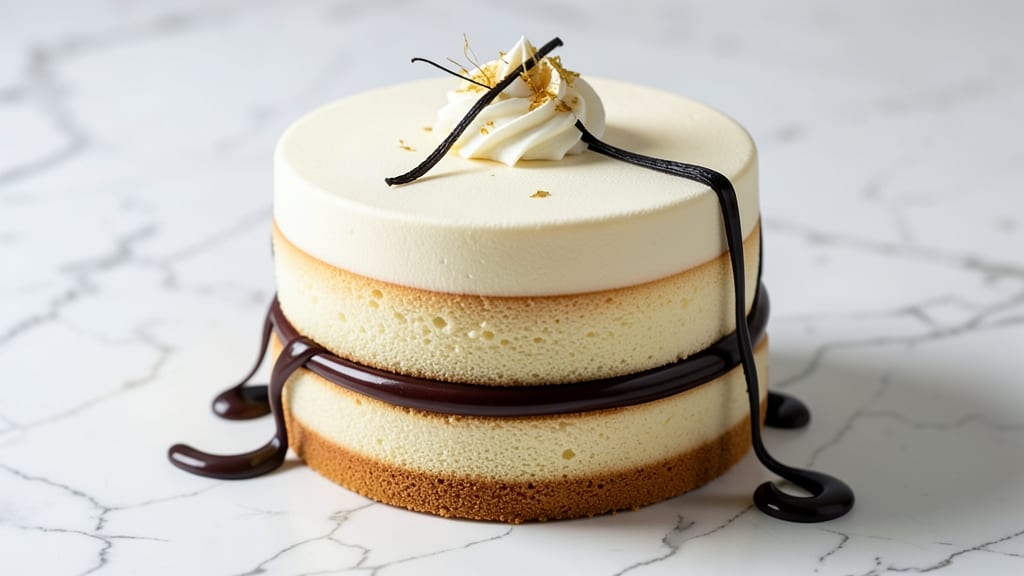
An 8-inch genoise cake delivers the perfect balance of delicate texture and rich flavor—light as air with layers that practically melt in your mouth. 💛 The secret lies in precise technique: whipping eggs to ribbons, folding in just enough flour, and baking at the right temperature to create those signature air pockets.
This recipe transforms simple ingredients into a showstopping dessert that's surprisingly foolproof for home bakers.
The magic happens in the method: room-temperature eggs, a touch of sugar, and careful folding create a batter so light it practically deflates when you lift the pan. Baked at 350°F for about 25-30 minutes, the cake emerges golden with a tender crumb that's impossible to resist.
The key is patience—don't overmix, and let the cake cool completely before assembling.
Once baked, the possibilities are endless: fill with pastry cream, whipped cream, or chocolate ganache, then top with buttery frosting for that classic French touch. The result is a cake that's elegant enough for special occasions but simple enough for weeknight treats.
Every slice reveals that signature light-as-air texture with just the right amount of sweetness.
Perfect for birthdays, anniversaries, or simply indulging yourself, this genoise cake proves that homemade desserts can be both impressive and approachable. Let's create something extraordinary with just a few simple ingredients and a little technique.
Ingredients for 8 inch genoise cake
Twelve ingredients transform into an ethereal 8-inch genoise with signature airy layers and velvety frosting.
| Ingredient | Amount | Notes |
|---|---|---|
| Large Egg Whites 🥚 | 5 whole | Room temperature, separated from yolks |
| Granulated Sugar 🍚 | 1 cup | Superfine preferred for smooth texture |
| Unsalted Butter 🧈 | ½ cup | Cold, cubed for frosting |
| All-Purpose Flour 🌾 | ¼ cup | Sifted, for delicate crumb |
| Vanilla Extract 🌿 | 1 tsp | Pure Madagascar preferred |
| Salt 🧂 | ¼ tsp | Fine sea salt for balance |
| Large Egg Yolks 🥚 | 3 whole | Room temperature, for richness |
| Powdered Sugar 🍚 | 2 cups | For buttery frosting |
| Heavy Cream 🥛 | ½ cup | Cold for stable frosting |
| Pastry Cream 🍮 | 1 ½ cups | Store-bought or homemade |
| Lemon Zest 🍋 | 1 tsp | Fresh, for brightness |
| Cornstarch 🌾 | 1 tbsp | For pastry cream thickening |
The eggs must be room temperature—cold yolks create dense batter. Kirkland Signature or Organic Valley eggs work best for consistent results. For the sugar, superfine is ideal, but pulse regular granulated in a food processor for 30 seconds if needed. The butter should be European-style (like Plugrá) for higher fat content and superior flavor. Sift the flour through a fine-mesh sieve to eliminate lumps—this ensures that signature tender crumb. Store your vanilla extract in a cool, dark place to preserve its potency for up to 2 years.
No superfine sugar? Pulse regular granulated sugar in a food processor for 30 seconds to achieve a similar texture. Substitute powdered sugar with equal parts cornstarch for the frosting, though texture may differ slightly. For a dairy-free option, replace butter with vegan butter and heavy cream with coconut cream, though the frosting will have a different mouthfeel. The pastry cream can be store-bought (like Dulce de Leche or Smucker's), but homemade yields superior results—simmer equal parts milk and cream with cornstarch and sugar until thickened. If you're short on time, whipped cream works as a quick substitute, though it lacks the stability of pastry cream.
Batter should be used immediately after folding—it deflates quickly. For the frosting, whip the butter until light and fluffy before gradually adding powdered sugar and cream. The cake layers should be completely cooled before assembling to prevent sogginess. Store assembled cake in an airtight container at room temperature for up to 3 days, or refrigerate for 5 days. Freeze unfrosted layers for up to 3 months—thaw overnight in the fridge before assembling. The frosting can be made 2 days ahead and stored in the fridge, rewhipped before use.
Why You'll Love This Recipe
- No Whisk Fatigue: I swear by this recipe because it only needs three ingredients mixed by hand—no stand mixer, no arm workout. The egg whites and sugar whip up light as air in minutes, and the butter gets folded in so smoothly you’ll forget you’re baking something that looks fancy.
- Vanilla Butter Bliss: That moment when you slice into the cake and get that perfect balance of tender crumb and rich, buttery vanilla? It’s like a hug in dessert form. The flour keeps it from being too sweet, and the butter stays creamy even when chilled—no dry, cakey letdown here.
- Layering Made Simple: Between us, I’ve ruined layer cakes trying to get the frosting right. This genoise? You can stack it with store-bought filling or just dust it with powdered sugar and call it a day. It’s my go-to for birthdays, potlucks, or when I’m too tired to fuss—still looks impressive, zero stress.
- Budget-Friendly Luxury: I make this for myself all the time because it’s cheaper than buying a single slice from a bakery, yet it tastes like you spent hours on it. The butter is the splurge, but the rest? Basic pantry staples. And leftovers? They last days, sliced thin with coffee or tea—my secret weapon for lazy afternoons.
Step-by-step instructions for light-as-air genoise cake
Master this classic technique for ethereal layers that bake up perfectly every time.
🍳 Step 1: Whip Egg Whites to Stiff Peaks
In a spotlessly clean bowl, combine the 5 whole large egg whites and 0.25 teaspoon salt. Using a stand mixer fitted with the whisk attachment, beat on low speed until small bubbles form. Gradually add the 1 cup granulated sugar through the feed tube, increasing speed to high once all sugar is incorporated.
Continue whipping for 5-7 minutes until the meringue forms stiff peaks—when you lift the whisk, the meringue should hold its shape and not collapse. The ribbons should be thick and glossy, not wet or slightly set. Fold in the 1 teaspoon vanilla extract at the end using a spatula in a gentle "J" motion to maintain air incorporation.
👨🍳 Step 2: Fold in Yolks and Flour Gently
In a separate bowl, whisk together the 3 whole large egg yolks, then gradually fold them into the meringue in three additions, using the same "J" folding technique. This prevents deflating the meringue. Sift the 0.25 cup all-purpose flour over the mixture and fold just until combined—no more than 10 strokes—to maintain the delicate structure.
Here's the thing—overmixing develops gluten and creates a dense cake. You're aiming for a smooth, shiny batter that falls slowly from the spatula. If it looks too thick, don't worry; it will spread properly in the pan. Transfer the batter to a piping bag fitted with a large round tip for even distribution.
🔥 Step 3: Bake the Genoise Layers
Preheat your oven to 350°F and line an 8-inch round cake pan with parchment paper, leaving an overhang for easy removal. Pipe the batter into the pan, spreading it evenly to create a ¼-inch thick layer. Bake for 12-15 minutes until the top springs back when touched lightly and the edges pull away from the pan.
I like to rotate the pan halfway through baking for even heat distribution. The cake should be golden at the edges but still pale in the center—it will continue cooking as it cools. Let it cool in the pan for 5 minutes, then transfer to a wire rack to cool completely before assembling.
🥘 Step 4: Prepare the Buttery Frosting
In a stand mixer fitted with the paddle attachment, beat the 0.5 cup cold unsalted butter on medium speed until creamy. Gradually add the 2 cups powdered sugar and mix until combined. Add the 0.5 cup cold heavy cream and mix until smooth. Fold in the 1 teaspoon lemon zest using a spatula to distribute evenly. This frosting should be thick but pipeable—if it's too stiff, soften slightly with 1 teaspoon warm water.
The cold butter creates a stable, glossy finish that won't melt in warm weather. For extra shine, add 1 teaspoon lemon juice to the frosting just before piping. This brightens the flavor and enhances the lemon zest's aroma.
⏰ Step 5: Assemble with Pastry Cream
Place one genoise layer on a cake stand or plate. Spread 0.75 cup pastry cream evenly over the layer, leaving a ½-inch border uncovered. Top with the second layer and repeat the process. Pipe the buttery frosting over the entire cake, creating a smooth finish. Chill for 30 minutes before slicing to allow the frosting to set properly.
For an elegant touch, pipe a decorative border around the edges or create a lattice pattern with reserved frosting. The contrast between the airy genoise and rich pastry cream creates a luxurious texture in every bite. Serve at room temperature for the best experience—this cake tastes even better the next day as flavors meld.
Pro Tips For Making 8 Inch Genoise Cake
- Whip Whites to Stiff Peaks: Stop when the meringue holds a sharp peak—no wobbles. Over-whipping dries out egg whites faster than you’d think, and that’s when your cake turns dense instead of light. I learned this after a batch collapsed like a sad soufflé.
- Use Room-Temp Butter: Unsalted butter straight from the fridge? Nope. Let it sit out for 2 hours (or microwave 10 seconds) so it folds into the batter smoothly. Cold butter creates pockets of air that won’t distribute evenly—your cake will end up with weird texture spots.
- Sift Flour Twice: Yes, even if it looks fine. Sifting removes lumps and aerates the flour, which makes a real difference in the crumb. I skip this when I’m lazy, but the cake’s noticeably better when I don’t—especially in an 8-inch pan where every bit of lift matters.
- Bake Until Springy: Tap the center—it should bounce back, not jiggle like jelly. Most recipes say “until golden,” but genoise needs that internal set to hold its shape. Pull it too soon, and the middle stays gummy. (Your future self will thank you.)
Creative variations of this recipe
Citrus Twist Variations
Brighten your genoise with 1 teaspoon orange zest or ½ teaspoon cardamom for a Middle Eastern-inspired twist. Replace lemon zest with 1 teaspoon lime zest and add 2 tablespoons lime juice to the frosting for a tropical vibe.
I once made a key lime version that became my go-to summer dessert—every slice felt like sunshine. 🍋
Chocolate Infusion
For chocolate lovers, replace vanilla extract with 1 teaspoon espresso powder and ½ cup Dutch-process cocoa powder (sifted) in the batter. Use dark chocolate ganache instead of pastry cream and pipe the frosting with white chocolate shavings for contrast.
The espresso enhances the chocolate's depth while keeping the cake light. 🍫
Spiced Rum Version
Add 1 tablespoon spiced rum (like Kahlúa) to the frosting along with the lemon zest for a boozy twist. For the cake batter, fold in ½ teaspoon cinnamon and ¼ teaspoon nutmeg with the flour. This variation tastes especially festive during holidays—guests always ask for seconds. 🍸
Nutty Crunch Option
Fold ¼ cup toasted hazelnuts (finely chopped) or walnuts into the frosting for texture. For extra crunch, sprinkle toasted coconut flakes over the top before chilling. I recommend Planters toasted coconut for that perfect sweetness. This adds a delightful contrast to the airy cake layers. 🌰
Seasonal Adaptations
In summer, swap lemon zest for 1 teaspoon fresh basil (finely chopped) in the frosting. For autumn, add ½ teaspoon pumpkin pie spice to the batter and top with caramelized apples.
Winter calls for orange and clove—zest the peel of 1 orange and add ¼ teaspoon ground cloves to the frosting. Each season brings a fresh take on this classic. 🍂
Dairy-Free Adaptations
Replace butter with vegan butter (like Miyoko's) and heavy cream with full-fat coconut cream. Use agave syrup instead of granulated sugar in the meringue for a neutral flavor.
For the pastry cream, substitute milk with almond milk and use cornstarch as the thickener. The texture stays light, though slightly denser than traditional versions. 🌱
Nutrition facts
Frequently asked questions
Why does my genoise cake turn out dense instead of light?
Overmixing the batter or underwhipping the egg whites are the most common culprits. The meringue must reach stiff peaks (when the whisk leaves a sharp angle), and you should fold in the yolks and flour with just 10 strokes max. Also, ensure your eggs are room temperature—cold yolks prevent proper emulsification.
Can I make this cake without a stand mixer?
Use a hand mixer or even a whisk in a spotless bowl. Whip the egg whites until stiff peaks form (about 8-10 minutes of vigorous mixing). For folding, use a rubber spatula and work gently to avoid deflating the batter. The key is patience—don't rush the process!
How do I prevent cracks in the genoise layers?
Cracks usually happen from overbaking or sudden temperature changes. Bake until the top springs back when touched (about 12-15 minutes at 350°F), and let the cake cool in the pan for 5 minutes before transferring to a rack. Avoid opening the oven door early—this causes uneven heat distribution.
What's the best way to store leftover genoise cake?
Keep it fresh by storing in an airtight container at room temperature for 2-3 days. For longer storage, refrigerate for up to 5 days or freeze unfrosted layers (wrapped tightly) for 3 months. Thaw in the fridge overnight before assembling—never at room temperature.
Can I make this cake in a different-sized pan?
Yes, but adjust baking time and thickness. For a 6-inch pan, bake 10-12 minutes for a ¼-inch layer. For a 10-inch pan, increase time to 18-20 minutes and use ⅓-inch thickness. Always check doneness by touching the center—it should spring back gently.