
Main Courses
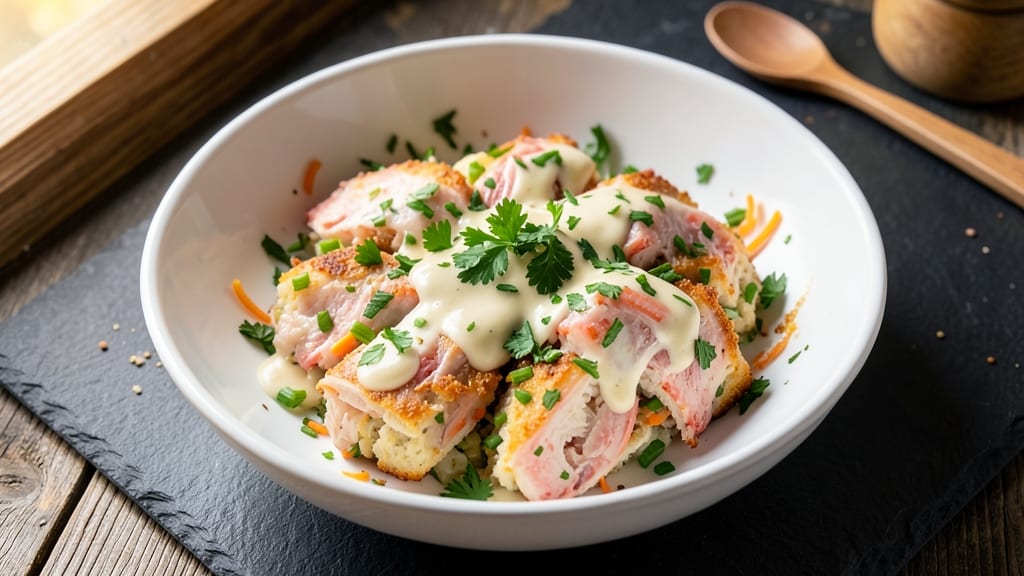
AIP crab cakes deliver that coveted crispy exterior and flaky interior without gluten, dairy, or traditional binders. This recipe transforms fresh crab meat into golden, satisfying patties using AIP-compliant arrowroot starch for structure and turmeric-infused oil for vibrant color and depth. The secret lies in gentle handling of the crab—overmixing destroys the delicate texture, while proper pressing ensures maximum crispiness.
What sets these apart is the balance of moisture and structure: arrowroot starch replaces eggs and flour, while finely minced celery and carrot add natural binders without compromising flavor. The recipe calls for just 15 minutes of active prep, followed by careful pan-frying to develop that perfect crust.
Every bite combines tender crab with a satisfying crunch that AIP diets often miss.
The result is restaurant-quality crab cakes that hold their shape, crisp beautifully, and deliver that classic briny-sweet flavor profile. Served with a side of AIP-compliant remoulade or lemon-dill aioli, these become the centerpiece of any seafood-focused meal.
The technique is straightforward but demands attention to detail—especially when pressing the patties to eliminate excess moisture before cooking.
Perfect for special occasions or when you're craving seafood without compromising dietary needs, these crab cakes prove that AIP dining can be just as indulgent as traditional recipes. The recipe scales easily for parties, and leftovers reheat beautifully in a skillet. Let's get started on creating your crispy, compliant masterpiece.
Ingredients for aip crab cake
These AIP-compliant ingredients create crispy, flaky crab cakes without gluten, dairy, or eggs.
| Ingredient | Amount | Notes |
|---|---|---|
| Fresh Crab Meat 🦀 | 1 ½ lb | Lump or backfin preferred, shell removed |
| Arrowroot Starch 🌾 | ½ cup | AIP-compliant binder alternative |
| Fresh Celery 🧅 | ½ cup | Finely minced, for natural binding |
| Carrots 🥕 | ½ cup | Finely grated, for moisture retention |
| Fresh Parsley 🌿 | ¼ cup | Finely chopped, for freshness |
| Egg-Free Mayonnaise 🥑 | ¼ cup | AIP-compliant, avocado-based preferred |
| Turmeric Powder 🌶️ | 1 tsp | For vibrant color and anti-inflammatory |
| Garlic Cloves 🧄 | 3 cloves | Finely minced, for aromatic depth |
| Coconut Oil 🥥 | ¼ cup | Melted, for turmeric infusion |
| Sea Salt 🧂 | 1 tsp | Diamond Crystal preferred |
| Black Pepper 🌶️ | ½ tsp | Freshly ground for heat |
| Coconut Flour 🌾 | 2 tbsp | For additional structure |
| Lemon Juice 🍋 | 1 tbsp | Freshly squeezed, for brightness |
The crab meat is the foundation—fresh lump or backfin ensures the best texture, while arrowroot starch replaces traditional binders like eggs or flour. For the starch, Bob's Red Mill or Anthony's Goods brands are reliable AIP-compliant sources. Fresh celery and carrots are minced finely to avoid grit, and organic produce from the grocery store's refrigerated section works best. The parsley adds freshness, but if you're short on time, freeze-dried parsley from the bulk section can be a quick alternative—just rehydrate it first. Garlic should be freshly minced for maximum flavor; pre-minced garlic contains anti-caking agents that aren't AIP-compliant.
No arrowroot starch? Tapioca starch at half the amount works in a pinch, though the texture will be slightly less crisp. The egg-free mayo can be made from avocado oil mayo or a blend of avocado puree and coconut milk for a homemade version. If you're using pre-shredded carrots, rinse them well to remove excess starch. The turmeric is non-negotiable—it's what gives those crab cakes their signature golden color and anti-inflammatory benefits. For extra crispiness, press the patties firmly between two sheets of parchment paper for 10 minutes before cooking. And if you're cooking for a crowd, double the batch—these disappear fast.
Store any leftovers in an airtight container in the fridge for up to 2 days, though they're best enjoyed fresh. For reheating, warm in a skillet over medium heat for 2-3 minutes per side to restore crispiness. The patties can be shaped and pressed ahead of time, then refrigerated for up to 24 hours before cooking. Freezing isn't recommended due to the moisture content, but if you must, coat the shaped patties in coconut oil before freezing for up to 1 month. Always let them come to room temperature before cooking to ensure even heating.
Why You'll Love This Recipe
- No-Fuss Bind: I swear by the arrowroot starch—it’s the secret to that perfect hold without overpowering the crab. Just mix, shape, and pan-sear; no fancy binders or last-minute scrambling.
- Sweet-Savory Magic: The celery and carrot add this bright, fresh crunch that cuts through the sweetness of the crab. Honestly, it’s the kind of flavor balance that makes you forget it’s even a restricted diet dish.
- Weeknight or Guest Night: These cakes pan-fry in 10 minutes flat, so they’re my go-to when I need something impressive but fast. (Yes, even on a Tuesday night.)
- Leftovers? No Problem: They crisp up beautifully reheated—just a quick pan or air fryer blast. I’ve sent these to work lunches, potlucks, and even my picky teen’s school lunchbox.
Step-by-step instructions for AIP crab cakes
Here's how to achieve that perfect crispy exterior and tender interior using only compliant ingredients.
Prepare the Crab Mixture with AIP Binders
In a large mixing bowl, combine the 1.5 lb fresh crab meat with the 0.5 cup finely minced fresh celery and 0.5 cup finely grated carrots. The celery and carrots act as natural binders while adding moisture retention—don't skip this step as it prevents dryness. Use your hands to gently fold these ingredients together until evenly distributed throughout the crab meat.
Add the 0.25 cup egg-free mayonnaise, 1 tbsp lemon juice, 1 tsp turmeric powder, 1 tsp sea salt, and 0.5 tsp black pepper to the bowl. The turmeric not only provides vibrant color but also delivers anti-inflammatory benefits. Mix thoroughly until all ingredients are completely incorporated and the mixture achieves a cohesive, slightly sticky texture. This blend ensures proper adhesion when forming the cakes.
Create the AIP-Friendly Binder System
In a separate small bowl, whisk together the 0.5 cup arrowroot starch and 2 tbsp coconut flour. This combination replaces traditional flour and eggs while providing the necessary structure for binding. Gradually sprinkle this dry mixture over the crab mixture while gently folding with a silicone spatula. The arrowroot starch will begin to absorb moisture immediately, creating a cohesive mass.
Add the 3 cloves finely minced garlic cloves and 0.25 cup melted coconut oil to the bowl. The coconut oil carries the turmeric's flavor while adding fat for crispiness. Mix until the coconut oil is evenly distributed throughout the mixture. The texture should be firm enough to hold its shape when pressed but still pliable. If it feels too dry, add 1-2 teaspoons of additional lemon juice to help bind the mixture.
Form and Chill the Crab Cakes
Using your hands, gently form the crab mixture into 4 equal patties, each about ¾-inch thick. The uniform thickness ensures even cooking and consistent texture throughout. Place the formed crab cakes on a parchment-lined plate and cover with plastic wrap. Refrigerate for at least 30 minutes—this chilling step is crucial for structural integrity and prevents premature crumbling during cooking.
While the cakes chill, preheat your oven to 375°F. The oven will be used for finishing the cakes after initial pan-searing to ensure even cooking and maintain moisture. The chilled cakes will hold their shape better during the cooking process, resulting in cleaner edges and better presentation.
Pan-Sear for Crispy Texture
Heat 0.125 cup coconut oil in a large skillet over medium heat until shimmering but not smoking. The oil should reach approximately 350°F for optimal searing. Carefully place one crab cake in the skillet and cook undisturbed for 3-4 minutes per side until golden brown with crisp edges. The cakes will release easily from the pan when properly cooked—this is your signal to flip.
During cooking, resist the urge to press down on the cakes as this can cause them to lose their shape. Instead, let the natural binding agents work their magic. Cook all four cakes in batches, maintaining the same oil temperature between batches. The internal temperature should reach 145°F when measured at the thickest part of each cake.
Finish in the Oven for Even Cooking
Transfer the seared crab cakes to a baking sheet lined with parchment paper and place them in the preheated 375°F oven. Bake for 8-10 minutes until the internal temperature reaches 150°F and the edges are uniformly golden brown. This oven finish ensures complete cooking throughout while maintaining the crispy exterior developed during pan-searing.
Remove the crab cakes from the oven and let them rest for 5 minutes before serving. This resting period allows the internal juices to redistribute, resulting in a more tender texture. Serve immediately with your favorite AIP-compliant dipping sauce or alongside a fresh salad to complete the meal. The finished cakes should have a crispy, golden exterior with a tender, flaky interior that crumbles easily with a fork.
Pro Tips For Making Aip Crab Cake
- CHILL THE CRAB: Pull the crab meat from the fridge 10 minutes before mixing—cold crab releases water like a sad sponge. Warm hands work better, but if yours are icy, at least let the crab sit out while you prep the veggies. Trust me, soggy crab cakes are a vibe no one asked for.
- GRATE, DON’T CHOP: The carrots and celery need to be fine—think food processor, not knife skills. A box grater does the job in seconds, and the texture blends seamlessly into the mix. Rough chunks? Your crab cakes will taste like they’re hiding a secret bite of crunch.
- PRESS HARD, REST LONGER: Don’t skimp on the arrowroot—this is the glue holding your life together. Press the mixture into the pan firmly, then let it rest covered for 5 minutes before flipping. Skipping this step = crumbly, sad cakes. Your future self will send you a thank-you note.
- SALT THE ARROWROOT: Mix the arrowroot with a pinch of salt before adding it to the wet ingredients. It dissolves better and seasons the starch evenly—no more dry, bland patches. I learned this the hard way after tasting a bland bite in the middle of my first batch.
Flavor customization for aip crab cake
Spice-Forward Variations
For a smoky kick, stir in ½ tsp smoked paprika and ¼ tsp cayenne with the turmeric. The smokiness pairs beautifully with the briny crab, while cayenne adds subtle heat.
I find Penzeys brand smoked paprika delivers the most consistent flavor. Use avocado oil for searing to prevent burning from the spices. 🌶️
Craving Asian-inspired flavors? Swap the black pepper for ½ tsp ground coriander and ¼ tsp ground ginger, then add 1 tsp coconut aminos (AIP-compliant soy substitute) to the mixture. Garnish with thinly sliced green onions after cooking for freshness. The coriander adds earthy depth while keeping the dish compliant.
Herb-Infused Twists
Fresh dill transforms these into a Mediterranean-style version. Finely chop 2 tbsp fresh dill and fold it into the crab mixture with the parsley. The dill's bright, citrusy notes complement the crab perfectly.
For extra aroma, infuse the coconut oil with 1 tbsp fresh dill before using it in the recipe—simmer the oil with the dill for 2 minutes, then strain. 🌿
A lemon-herb variation uses 1 tbsp chopped fresh thyme and an additional 1 tbsp lemon zest in the mixture. The thyme adds an earthy backbone, while the zest brightens the flavor profile.
I like to zest 1 organic lemon (about 1 tbsp) and mix it into the egg-free mayo before combining with the crab. The zest infuses the mayo with citrus oils for maximum impact.
Texture Adjustments
For extra crispiness, replace ½ cup of the arrowroot starch with ½ cup tapioca starch—it creates a lighter, crispier crust. The trade-off is slightly less binding, so you may need to add 1 extra tbsp coconut flour to maintain structure.
Press the cakes firmly between parchment paper for 10 minutes before cooking to maximize crispiness. 🔥
Prefer a softer, more tender texture? Reduce the coconut flour to 1 tbsp and increase the arrowroot to ⅔ cup. The arrowroot binds more gently, resulting in a cake that's less crisp but more flaky.
This version works beautifully when served with a cooling cucumber-dill sauce to balance the richness.
Flavor Layering
Create a garlic-parsley oil by infusing ¼ cup coconut oil with 4 minced garlic cloves and 1 tbsp chopped parsley. Simmer gently for 3 minutes, then strain and use this oil for both the crab mixture and pan-searing.
The infused oil adds depth of flavor without needing extra seasoning. Store any leftover infused oil in the fridge for up to 1 week.
For a citrus burst, add 1 tbsp orange zest (from an organic orange) to the crab mixture alongside the lemon juice. The orange zest introduces a sweet, floral note that pairs wonderfully with the briny crab.
I recommend using blood oranges for their deeper color and complex flavor. The zest should be finely grated to avoid bitterness.
Nutrition facts
Frequently asked questions
Can I use canned crab meat instead of fresh for AIP crab cakes?
Canned crab works in a pinch, but fresh lump or backfin crab is ideal for texture. If using canned, opt for high-quality, lump-free crab meat and drain it thoroughly to remove excess moisture. For best results, pat the crab dry with paper towels before mixing. The texture will be slightly less premium, but the flavor remains excellent.
What's the best AIP-compliant dipping sauce for these crab cakes?
Try a simple avocado-lime aioli made with blended avocado, coconut oil, lime juice, and sea salt. For extra richness, add 1 tbsp coconut aminos and a pinch of turmeric. Another great option is a cucumber-dill sauce using blended cucumber, fresh dill, coconut milk, and lemon juice. Both keep the dish compliant while adding fresh, vibrant flavors.
Why did my AIP crab cakes fall apart when frying?
Overmixing the crab mixture or skipping the 30-minute chilling step are common causes. The arrowroot starch needs time to fully bind. Also, ensure your pan isn't too hot—medium heat prevents premature browning that creates a crust before the interior sets. Press the cakes firmly between parchment paper for 10 minutes before cooking to maximize structural integrity.
Can I make these crab cakes ahead of time?
Yes! Shape the cakes and refrigerate them uncovered on a tray for up to 24 hours to dry the surface slightly for better browning. Cook them straight from the fridge—no thawing needed. For longer storage, freeze shaped cakes (uncooked) for 1 month by wrapping them tightly in parchment and plastic. Thaw in the fridge before cooking.
How do I make these crab cakes extra crispy?
Replace ½ cup arrowroot starch with ½ cup tapioca starch for a lighter crust, and press the cakes firmly between parchment for 10 minutes before cooking. Use avocado oil (higher smoke point) for searing at 375°F instead of coconut oil. Cook undisturbed for 4-5 minutes per side until deep golden brown. The key is patience—rushing causes steam instead of crispiness!