
Desserts
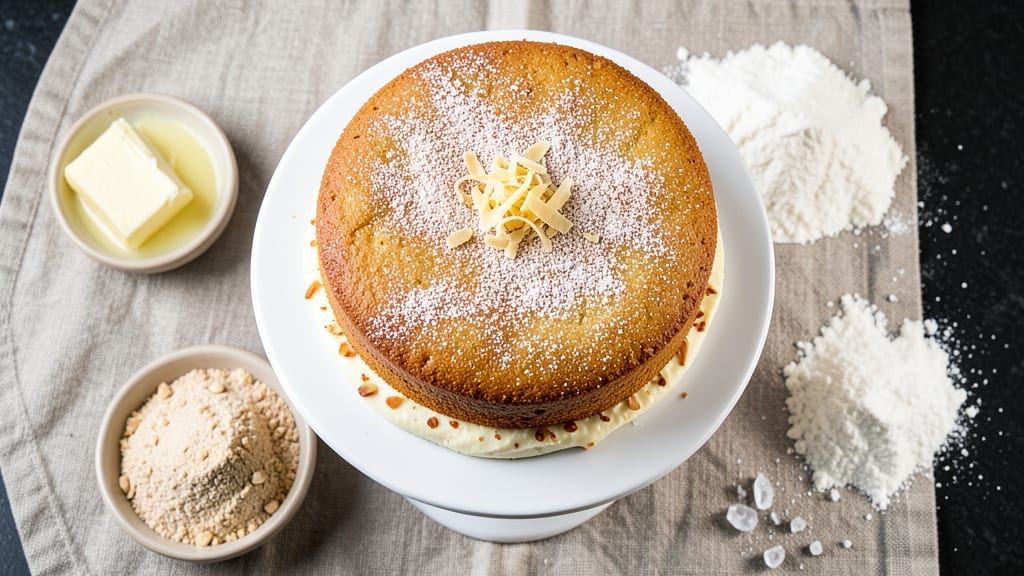
Martha Stewart’s almond cake recipe delivers that perfect balance of moist layers and buttery crunch that keeps you reaching for seconds. 💛 The secret lies in her precise technique—using almond flour for texture, citrus zest for brightness, and just the right amount of almond extract to enhance the nutty flavor without overpowering.
This isn’t just a dessert; it’s a showstopper that pairs elegance with foolproof baking.
What sets this cake apart is Martha’s signature approach: a tender crumb that stays moist for days, thanks to careful leavening and a touch of sour cream in the batter.
The almonds add both texture and depth, while a hint of vanilla and lemon zest keeps the flavor bright and inviting. No marzipan filling required—though it’s an option if you want to go all out—but the cake stands strong on its own.
Baking it right means paying attention to the details: creaming the butter and sugar properly, folding in the dry ingredients gently, and baking at the perfect temperature to avoid a dry crumb. The result?
A cake with a golden crust, a tender interior, and just enough almond flavor to satisfy without being overpowering. It’s the kind of dessert that feels special enough for guests but simple enough for a weeknight treat.
Serve it dusted with powdered sugar, topped with toasted almond slices, or even as a base for a marzipan layer if you’re feeling ambitious. Either way, this recipe delivers on Martha’s promise of restaurant-quality results with a home-baker’s touch. Let’s get started—your taste buds will thank you.
Ingredients for almond cake recipe martha stewart
Eight essential ingredients transform into Martha's signature almond cake with perfect moist layers and buttery crunch.
| Ingredient | Amount | Notes |
|---|---|---|
| Unsalted Butter 🧈 | 1 cup | Room temperature for creaming |
| Granulated Sugar 🍚 | 1 ½ cups | Superfine preferred for smooth texture |
| Almond Flour 🥜 | 2 cups | Finely ground, unsweetened |
| All-Purpose Flour 🌾 | ½ cup | For structural balance |
| Baking Powder 🍞 | 1 ½ tsp | Aluminum-free preferred |
| Salt 🧂 | ½ tsp | Fine sea salt |
| Large Eggs 🥚 | 2 whole | Room temperature |
| Sour Cream 🥛 | ½ cup | Full-fat for moisture |
| Pure Vanilla Extract 🌿 | 1 tbsp | High-quality, no alcohol |
| Almond Extract 🥜 | ½ tsp | Pure, not imitation |
| Lemon Zest 🍋 | 1 tbsp | Fresh, organic preferred |
| Toasted Sliced Almonds 🥜 | 1 cup | For topping, lightly toasted |
| Powdered Sugar 🍚 | ¼ cup | For dusting, sifted |
The almond flour is non-negotiable here—Bob's Red Mill or King Arthur brands are my go-tos for consistent texture. Look for finely ground, unsweetened almond flour (the kind labeled for baking, not just almond meal). The butter should be European-style if you can find it—higher fat content means richer flavor. For the almond extract, McCormick or Goya are reliable, but if you're feeling fancy, LorAnn Oils makes a superior version. The sour cream adds that signature Martha moisture, so don't skimp on the full-fat version. Toast your sliced almonds in a dry pan for 3-4 minutes until golden—they'll add that perfect crunch on top.
No almond flour? Substitute with 1.5 cups finely ground blanched almonds, but pulse them in a food processor until they're almost powdery. Short on sour cream? Plain Greek yogurt works at the same amount. The vanilla extract can be imitation in a pinch, but trust me on the pure version—it makes a difference. Lemon zest too expensive? Use 1 tbsp bottled lemon juice instead, but fresh zest has that zingy brightness. For the butter, if you're out, vegetable shortening plus 1 tbsp milk mimics the texture. And if you're feeling adventurous, swap half the almond flour for hazelnut flour for a different nutty twist.
Store the cake in an airtight container at room temperature for up to 3 days—it actually tastes better the next day as the flavors meld. For longer storage, wrap tightly in plastic and refrigerate for up to 1 week. Freeze for 3 months if you're prepping ahead, but let it thaw at room temperature before serving. The powdered sugar topping? Add it just before serving—it'll melt if stored on the cake. And those toasted almonds? Keep them in a jar at room temperature for up to 2 weeks—they're perfect for topping other desserts too.
Why You'll Love This Recipe
- No Mixing Madness: This recipe’s magic is in the creaming—just butter, sugar, and a splash of patience. No sifting, no folding, no stress. The almond flour handles itself, so you’re basically just stirring while the oven does the work.
- Buttery-Almond Bliss: That first bite? Warm, buttery layers with a whisper of toasted almonds—no heavy frosting needed. The sugar caramelizes just enough to give it a subtle crunch, like a hug from a bakery but with half the guilt.
- Weekday Hero: Slice it for breakfast with coffee, pack it for lunch, or serve it cold with tea. The texture holds up for days, and honestly? It’s the one dessert I never skip making when I’m swamped.
- Pantry Staple Magic: You’re already using butter, sugar, and flour—this cake just adds almond flour, which is cheaper than buying pre-made almond cakes. Leftovers? They disappear faster than I can say “second cup of coffee.”
Step-by-step instructions for Martha Stewart's almond cake
Here's the method that delivers Martha's signature moist crumb and buttery crunch in every slice.
👨🍳 Step 1: Cream Butter and Sugars to Light and Fluffy
In a stand mixer fitted with the paddle attachment, beat the 1 cup unsalted butter (room temperature) and 1.5 cups granulated sugar on medium speed for 3-4 minutes. You're looking for a pale, fluffy mixture that nearly doubles in volume—the butter should be completely incorporated with no graininess remaining.
This creaming process is critical for achieving that tender texture. I press down on the butter occasionally with a spatula to ensure it's fully emulsified. If the mixture looks too thick, that's normal—it will lighten as we add the eggs and sour cream.
👨🍳 Step 2: Add Eggs and Wet Ingredients
Add the 2 whole large eggs (room temperature) one at a time, mixing on low speed for 30 seconds after each addition until fully incorporated. Then add the 0.5 cup sour cream, 1 tbsp pure vanilla extract, 0.5 tsp almond extract, and 1 tbsp lemon zest, mixing on low speed just until combined.
The almond extract adds depth of flavor without overpowering, while the lemon zest brightens the rich almond base. I always use fresh lemon zest—it makes a noticeable difference in the final product. Mix just until combined to avoid developing gluten in the almond flour.
👨🍳 Step 3: Combine Dry Ingredients Gently
In a separate bowl, whisk together the 2 cups almond flour, 0.5 cup all-purpose flour, 1.5 tsp baking powder, and 0.5 tsp salt. With the mixer on low speed, gradually add the dry ingredients to the wet mixture, mixing just until no flour streaks remain—about 30-45 seconds total.
Overmixing develops gluten, which can make the cake dense. You want to see just a few small flour streaks remaining. The batter will be thick but smooth, with a consistency somewhere between cookie dough and cake batter.
🥘 Step 4: Fold in Toasted Almonds
Remove the bowl from the mixer and gently fold in the 1 cup toasted sliced almonds using a silicone spatula. Be careful not to overmix—just combine until the almonds are evenly distributed throughout the batter. The heat from the toasted almonds will help create pockets of moisture in the cake.
I like to press the almonds into the batter slightly to ensure they're well incorporated. This step adds both texture and flavor—those toasted almonds will give each slice that signature crunch while keeping the interior moist.
🔥 Step 5: Bake Until Golden and Springy
Preheat your oven to 350°F and grease two 9-inch round cake pans (or line with parchment circles). Divide the batter evenly between the pans and smooth the tops. Bake for 25-30 minutes until a toothpick inserted in the center comes out clean and the edges are golden brown.
Don't overbake—this cake is delicate. The edges should pull away slightly from the pan, and the top should spring back when gently pressed. For even baking, I rotate the pans halfway through the baking time if my oven has hot spots.
⏰ Step 6: Cool and Dust with Powdered Sugar
Remove the cakes from the oven and let them cool in the pans for 10 minutes, then transfer to a wire rack to cool completely. Once cooled, dust the tops generously with the 0.25 cup powdered sugar using a fine-mesh sieve for that classic Martha Stewart finish.
The powdered sugar adds a delicate sweetness and visual appeal. For best results, serve the cake at room temperature. The texture should be moist and tender with a satisfying crunch from the almonds in every bite.
Pro Tips For Making Almond Cake Recipe Martha Stewart
- Cream Butter Slowly: Martha’s recipe calls for room-temperature butter, but don’t rush it—let it sit in a warm (not hot) spot for 30-45 minutes until it’s soft but still holds its shape. I learned this the hard way: melted butter makes the batter greasy, and the cake turns out dense. Use the back of a spoon to press it—if it leaves a slight imprint, it’s ready.
- Sift the Flours Together: Almond flour is heavy and clumps like crazy. Sift it with the all-purpose flour and baking powder before mixing—this lightens the texture and prevents lumps in the batter. I used to skip this, and the cake always came out uneven. A fine-mesh sieve works best, and tap it firmly against the bowl.
- Don’t Overmix the Batter: The moment the batter looks smooth is the moment to stop. Overmixing develops gluten in the all-purpose flour, which makes the cake tough. Stir just until the dry ingredients disappear—about 15 strokes with a spatula. I was guilty of going overboard, and the result? A cake that tasted more like a dense muffin.
- Rotate the Pan Midway: Almond cakes bake unevenly, especially if your oven runs hot on one side. After 20 minutes, swap the pan from top to bottom rack (or front to back if your oven’s finicky). This ensures the edges brown while the center stays moist. My first batch had a raw center because I ignored this—now I set a timer to remember.
Flavor customization for these flavors
Citrus Brightness
Swap the lemon zest for 1 tbsp orange zest or ½ tsp cardamom powder for a warm, spiced twist. For a tropical vibe, add 1 tsp coconut extract alongside the almond extract—it pairs surprisingly well with the nutty base.
I’ve also found that ½ tsp cinnamon enhances the almond flavor beautifully while adding subtle warmth. 🍊
Spiced Variations
For a chai-inspired cake, fold in ½ tsp ground ginger and ¼ tsp cloves with the dry ingredients. A pinch of espresso powder (1 tsp) deepens the almond flavor and adds a mocha-like richness.
My go-to spice blend is ½ tsp cinnamon + ¼ tsp nutmeg, which feels cozy and festive—perfect for holiday gatherings.
Flavor Boosters
Add 1 tbsp honey to the wet ingredients for a subtle caramel note that balances the nuttiness. For a boozy twist, replace 1 tbsp of the sour cream with 1 tbsp bourbon or Grand Marnier—it adds depth without overpowering.
I also love stirring in 2 tbsp mashed ripe banana for natural sweetness and moisture.
Texture Adjustments
For a denser, fudgier cake, increase the almond flour to 2.5 cups and reduce the all-purpose flour to ¼ cup. Need extra crunch? Fold in an additional ½ cup chopped toasted hazelnuts alongside the almonds.
For a lighter texture, whisk 2 egg whites to stiff peaks and fold them into the batter just before baking.
Sweetness Control
Reduce the sugar to 1 cup for a less sweet version, or add 2 tbsp maple syrup to the wet ingredients for a natural sweetener. For a decadent twist, fold in ¼ cup melted dark chocolate (60% cocoa) with the sour cream.
The contrast of chocolate and almond creates a sophisticated flavor profile that’s hard to resist. 🍫
Layered Flavors
Create a marzipan-filled version by spreading ½ cup store-bought marzipan between two layers of baked cake. For a fruit twist, add ½ cup finely chopped dried apricots to the batter or layer with fresh berries between cake layers.
My favorite unexpected pairing is raspberry jam—spread a thin layer on one cake before assembling for a tangy-sweet balance.
Nutrition facts
Frequently asked questions
Why does Martha's recipe use almond flour instead of regular flour?
Almond flour creates that signature moist, tender crumb while adding natural sweetness and a delicate nutty flavor. Unlike regular flour, it doesn't absorb as much liquid, so the cake stays lighter and less dense. The almonds also add beautiful texture contrast—think buttery crunch in every bite!
Can I make this cake without almond extract?
Yes, but you'll lose that authentic almond depth. Replace the 0.5 tsp almond extract with 1 tsp vanilla extract plus 1 tbsp finely ground toasted almonds folded into the batter. The flavor won't be identical, but it'll still taste delicious. For a stronger almond taste, add 1 tbsp almond butter to the wet ingredients.
How do I fix a dense or dry almond cake?
Density often comes from overmixing—try folding the dry ingredients more gently next time. For dryness, ensure your butter and eggs are room temperature and don't overbake. If your cake is already dry, brush warm layers with simple syrup (equal parts sugar and water, heated) before assembling. The sour cream in the batter should prevent dryness if everything else is correct!
What's the best way to store leftover almond cake?
Wrap individual layers tightly in plastic wrap, then place in an airtight container for up to 3 days at room temperature. For longer storage, freeze layers for up to 3 months. Thaw overnight in the fridge—never at room temperature. The powdered sugar topping should be added fresh to prevent melting.
Can I make this cake in a bundt pan instead of round pans?
A 10-12 cup bundt pan works beautifully—just reduce baking time to 20-25 minutes. Brush the pan with butter and dust with flour first for easy removal. The cake will have stunning ridges and a more elegant presentation. For best results, use a pan with a center tube to ensure even baking.