
Desserts
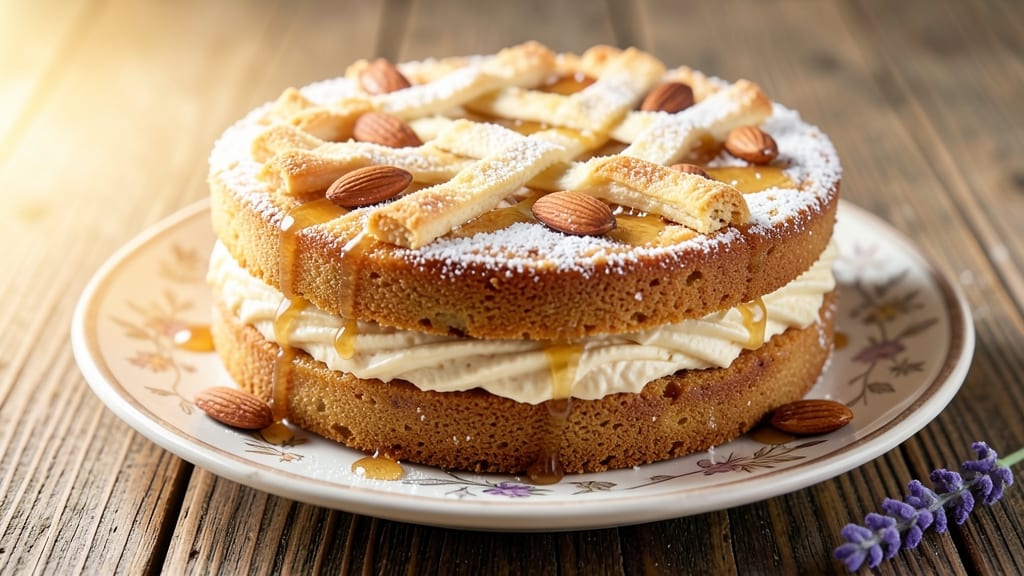
This almond pulp cake delivers unexpectedly moist texture and rich nutty flavor without needing extra eggs or oil. The secret lies in almond pulp—a byproduct of almond milk production—that absorbs liquid beautifully while adding natural sweetness and tender crumb.
I developed this recipe after discovering how almond pulp transforms dense cakes into light, velvety masterpieces with just a few simple adjustments.
The cake's magic comes from its two-part batter: a nutty almond base infused with vanilla and a swirled vanilla cream center that keeps it irresistibly moist for days. Unlike traditional cakes that dry out quickly, this version stays tender thanks to the almond pulp's natural binding properties.
Perfect for special occasions or when you want dessert that feels indulgent yet balanced.
What makes this recipe stand out is its versatility—it works equally well as a classic vanilla cake or as a base for creative fillings. The almond pulp reduces the need for additional fats, making it a lighter option without sacrificing richness.
Baking at 350°F for 40-45 minutes ensures a golden crust while keeping the interior perfectly set but still moist.
Once baked, the cake's vanilla swirl creates a marbled effect that's as beautiful as it is delicious. Top with a dusting of powdered sugar or a light glaze for extra elegance.
This recipe proves that almond pulp isn't just a waste product—it's a game-changer for bakers looking to elevate their desserts with natural, nutty depth.
Ingredients for almond pulp cake
The almond pulp transforms ordinary cake into a moist, velvety masterpiece with nutty depth and perfect vanilla swirls.
| Ingredient | Amount | Notes |
|---|---|---|
| Almond Pulp 🌰 | 1 ½ cups | Fresh or frozen, from almond milk production |
| All-Purpose Flour 🌾 | 1 ½ cups | Sifted for light texture |
| Granulated Sugar 🍚 | 1 ½ cups | Organic preferred for subtle flavor |
| Unsalted Butter 🧈 | ¾ cup | Cold, cubed for proper emulsification |
| Pure Vanilla Extract 🍃 | 2 tbsp | Bourbon or Madagascar preferred |
| Almond Extract 🌰 | 1 tsp | Pure, not imitation |
| Baking Powder 🧂 | 2 tsp | Diamond Crystal preferred |
| Salt 🧂 | ½ tsp | Fine sea salt preferred |
| Large Eggs 🥚 | 3 whole | Room temperature for even mixing |
| Whole Milk 🥛 | 1 cup | Room temperature for proper hydration |
| Powdered Sugar 🍚 | 1 cup | For vanilla cream center |
| Heavy Whipping Cream 🥛 | ½ cup | Cold for proper whipping |
| Vanilla Bean Paste 🍃 | 1 tbsp | For enhanced vanilla flavor |
Almond pulp is the star here—fresh or frozen from almond milk production works best, though you can find it in specialty stores like Whole Foods or online. Look for brands like Almond Breeze that sell it in bulk. The pulp's natural binding properties reduce the need for extra eggs or oil, creating a lighter crumb. For the vanilla cream center, Madagascar bourbon vanilla extract adds complexity, but any high-quality pure extract will work. The baking powder is crucial—Diamond Crystal measures differently than other brands, so use the spoon-and-level method for accuracy.
No almond pulp? Substitute with 1 cup ground almonds plus 1/4 cup extra milk—though the texture won't be identical. Running short on vanilla extract? Vanilla bean paste (like Madagascar Bourbon) works beautifully and adds flecks of vanilla. For a lighter cake, replace 1/4 cup of the all-purpose flour with coconut flour, but increase the liquid slightly. The powdered sugar for the cream center can be swapped for confectioners' sugar if needed, though it may affect the texture slightly. Keep all dairy ingredients cold until ready to use for optimal results.
Store the cake in an airtight container at room temperature for up to 3 days—it actually improves with age as the flavors meld. For longer storage, wrap tightly and refrigerate for up to 1 week. The vanilla cream center can be prepped a day ahead and stored in the fridge. To reheat, cover with a damp towel and microwave for 10-15 seconds to restore moisture. Freeze portions for up to 3 months—thaw overnight in the fridge for best texture. The almond pulp can be frozen indefinitely in a sealed container.
Why You'll Love This Recipe
- No Mixer Needed: I swear by this recipe when I’m in a rush—just fold the almond pulp into the dry ingredients by hand. The butter stays soft and creamy without overworking, and the cake still turns out tender. Honestly, I’ve made it while waiting for dinner to cook.
- Vanilla-Butter Magic: That first bite? Pure comfort. The almond pulp adds a subtle nuttiness, but the real star is the vanilla-infused butter—it’s like a hug in cake form. Sweet enough to satisfy a craving, but not cloying.
- Crowd-Pleaser Any Day: From picnic baskets to holiday desserts, this cake travels well and disappears fast. I’ve packed slices in lunchboxes for kids (they actually eat the whole thing) and brought it to potlucks where it got rave reviews. No one questions why it’s so good.
- Leftovers? More Like Leftovers Never: This cake stays moist for days—no dry crumbs here. I’ll bake one on Sunday, and by Friday, it’s still the go-to snack. Plus, the almond pulp stretches the batter, so you get two layers from one bowl without extra cost. Smart, simple, and always a win.
Step-by-step instructions for almond pulp cake
Mastering this cake's signature moisture and nutty depth comes down to precise technique and layering flavors.
Prepare the Almond Pulp and Dry Ingredients
Begin by blending the 1.5 cups almond pulp in a food processor until completely smooth, about 1-2 minutes. You're aiming for a consistency similar to almond butter—no gritty bits should remain. This step is critical for achieving that signature moist texture without adding extra fat.
In a separate bowl, whisk together the 1.5 cups all-purpose flour, 2 tsp baking powder, and 0.5 tsp salt. Sift the mixture through a fine-mesh sieve directly into a large mixing bowl to eliminate any lumps. This ensures an even distribution of leavening agents throughout the batter, which directly impacts the cake's rise and texture.
Cream Butter and Sugars for Proper Aeration
In a stand mixer fitted with the paddle attachment, beat the 0.75 cup unsalted butter and 1.5 cups granulated sugar on medium speed for 3-4 minutes. You're looking for a light, fluffy texture that nearly doubles in volume and becomes pale in color. This creaming process incorporates air into the batter, which creates that tender crumb structure we're after.
Add the 3 whole large eggs, one at a time, mixing well after each addition. Then incorporate the 2 tbsp pure vanilla extract and 1 tsp almond extract. The extracts should blend completely into the mixture—you'll smell that rich almond aroma developing. Scrape down the sides of the bowl with a spatula to ensure all ingredients are fully incorporated.
Combine Wet Ingredients for Moisture Balance
Alternate adding the dry ingredients and 1 cup whole milk to the butter mixture, beginning and ending with the dry ingredients. Mix on low speed just until combined—overmixing develops gluten and creates a tough cake. The batter should be smooth and slightly thick, resembling pancake batter in consistency.
Fold in the processed almond pulp using a silicone spatula, being careful not to deflate the batter. This is where the cake gets its signature nutty flavor and moisture. The mixture will be quite thick at this point—don't be tempted to add more liquid. The almond pulp contains natural moisture that will release as the cake bakes.
Prepare the Vanilla Cream Filling
In a separate bowl, whip the 0.5 cup heavy whipping cream to soft peaks. Gradually add the 1 cup powdered sugar and 1 tbsp vanilla bean paste, continuing to whip until stiff peaks form. This filling should hold its shape when the spoon is lifted—it should be thick enough to pipe but still spreadable. The vanilla bean paste adds depth of flavor that regular extract can't match.
Transfer half of the cake batter to a greased and floured 9-inch round cake pan. Spread it evenly, then pipe the vanilla cream mixture over the top. Spoon the remaining batter over the cream, gently swirling with a knife to create marbled patterns. This layering creates the signature swirl effect while maintaining the cake's moist texture.
Bake to Perfect Moisture and Doneness
Bake in a preheated 350°F oven for 40-45 minutes, or until a toothpick inserted into the center comes out clean. The cake should spring back slightly when gently pressed in the center. I like to tent the pan with aluminum foil after 25 minutes to prevent over-browning while ensuring even cooking.
Remove from the oven and let cool in the pan for 15 minutes, then transfer to a wire rack to cool completely. This gradual cooling prevents cracking and allows the flavors to fully develop. The cake should be moist but not gummy, with a tender crumb that holds together beautifully. The almond flavor should be prominent but balanced by the sweet vanilla cream layers.
Pro Tips For Making Almond Pulp Cake
- Sift the Almond Pulp: Almond pulp is clingy—don’t just eyeball it. Sift it through a fine-mesh sieve with the flour to break up any stubborn lumps and distribute it evenly. I learned this the hard way when my first batch had uneven texture because I skipped this step.
- Cream Butter and Sugar Slow: Let the butter sit at room temperature for 30 minutes before creaming—cold butter means you’ll fight the mixer. Beat on medium speed for 2-3 minutes until the mixture is pale and fluffy, not just smooth. Rushing this step traps air poorly, leading to a dense cake.
- Don’t Overmix the Batter: Once you fold in the almond pulp and flour, stop mixing as soon as the dry ingredients disappear. Overmixing develops gluten, which makes the cake tough. Use a spatula to gently fold just until combined—your batter should look like thick pancake batter, not bread dough.
- Toast the Almond Pulp First: Spread the almond pulp on a baking sheet and toast at 325°F (160°C) for 8-10 minutes until fragrant. This deepens the nutty flavor and reduces bitterness—no need to brown it, just warm it up. Skip this, and your cake will taste flat, even if everything else is perfect.
Dietary considerations for this dish
Gluten-Free Adaptation
Replace the 1.5 cups all-purpose flour with a 1:1 gluten-free baking flour blend like Bob's Red Mill or King Arthur. Add 1 tsp xanthan gum to improve texture, as gluten-free flours lack natural binding properties.
For best results, use a 9-inch round cake pan lined with parchment paper to prevent sticking. The almond pulp helps compensate for the lack of gluten, maintaining moisture. 🌰
Vegan Modifications
To make this cake vegan, substitute the 3 eggs with 3 tbsp ground flaxseed mixed with 9 tbsp water (let sit for 5 minutes to thicken). Replace the 0.75 cup butter with 0.75 cup coconut oil (solid at room temperature) or vegan butter.
For the vanilla cream, use coconut cream whipped with 1 cup powdered sugar and 1 tbsp vanilla bean paste. The almond pulp's natural oils help bind the batter without eggs.
Nut-Free Option
For a nut-free version, omit the almond pulp entirely and replace it with 1.5 cups unsweetened applesauce. This maintains moisture while keeping the cake flavor neutral. Add 1 tsp cinnamon to complement the applesauce.
The vanilla cream layer remains unchanged, providing the signature sweetness. This adaptation works well for those with nut allergies while preserving the cake's tender crumb.
Lower Sugar Version
Reduce the 1.5 cups granulated sugar to 1 cup and replace the remaining 0.5 cup with 0.5 cup coconut sugar or 0.5 cup mashed banana. For the vanilla cream, use 0.75 cup powdered sugar instead of 1 cup.
The almond pulp's natural sweetness helps balance the reduced sugar content. This version is ideal for those watching their sugar intake without sacrificing flavor.
Dairy-Free Adjustments
Replace the 0.75 cup butter with 0.75 cup dairy-free margarine or 0.75 cup refined coconut oil. Use 1 cup unsweetened almond milk (or other dairy-free milk) instead of whole milk.
For the vanilla cream, whip 0.5 cup coconut cream with 1 cup powdered sugar and 1 tbsp vanilla bean paste. The almond pulp's moisture content helps compensate for the lack of dairy, keeping the cake tender.
Nutrition facts
Frequently asked questions
What exactly is almond pulp, and where can I find it?
Almond pulp is the leftover fiber from almond milk production—it's the stringy bits that settle at the bottom. You can find it fresh or frozen in specialty stores like Whole Foods or online from brands like Almond Breeze. If unavailable, substitute with 1 cup ground almonds plus 1/4 cup extra milk, though texture will differ slightly.
Can I make this cake without eggs?
Yes! For a vegan version, replace the 3 eggs with 3 tbsp ground flaxseed mixed with 9 tbsp water (let sit 5 minutes to thicken). The almond pulp helps bind the batter without eggs, keeping it moist. The vanilla cream layer can use coconut cream instead of heavy whipping cream.
Why does my cake turn out dense instead of moist?
Overmixing the batter develops gluten, making the cake tough. Mix dry and wet ingredients just until combined, and fold in the almond pulp gently. Also ensure your almond pulp is fully blended smooth—any grit can disrupt texture. Bake at 350°F for 40-45 minutes only; overbaking dries it out.
How do I store leftovers to keep them fresh?
Store in an airtight container at room temperature for up to 3 days, or refrigerate for 1 week. For longer storage, freeze slices wrapped tightly for 3 months. Thaw overnight in the fridge to preserve moisture. The almond pulp's natural oils help maintain freshness longer than traditional cakes.
Can I use this recipe for a gluten-free version?
Replace the 1.5 cups all-purpose flour with a 1:1 gluten-free blend and add 1 tsp xanthan gum for binding. Line your pan with parchment paper to prevent sticking. The almond pulp helps compensate for gluten's absence, keeping the cake tender. Test with a small batch first for perfect texture.