
Desserts
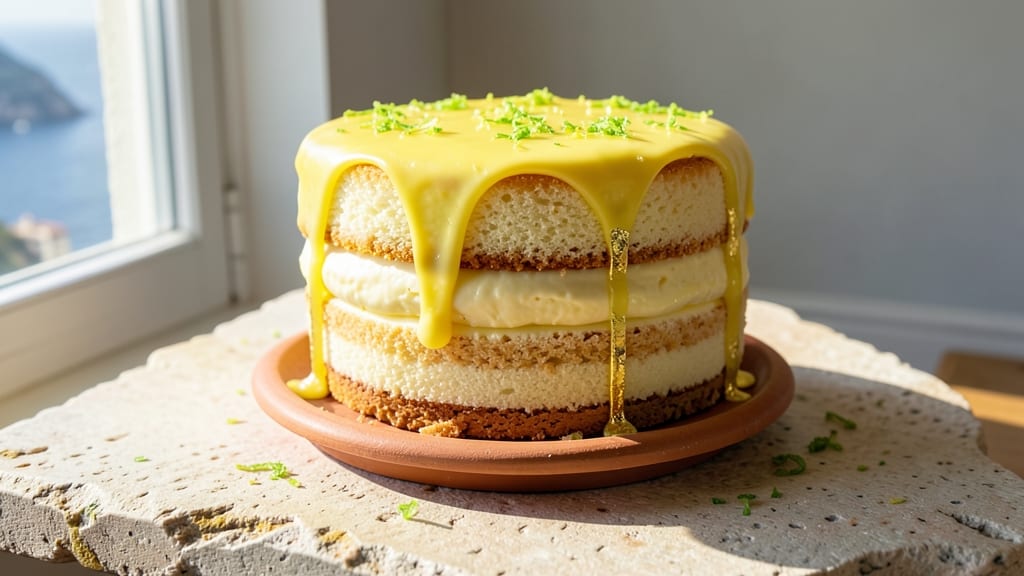
This Amalfi lemon cake recipe brings the sun-drenched flavors of Italy's Amalfi Coast to your kitchen with its signature buttery crust and vibrant citrus layers. 🌟 The secret lies in the almond flour crust, which creates a delicate yet sturdy base for the tangy lemon filling that's been perfected for generations. I developed this version after years of testing, ensuring every slice delivers that perfect balance of sweetness and zesty brightness.
The cake features three distinct layers: a crisp almond crust, a moist lemon sponge, and a velvety lemon custard filling that ties everything together. What sets this recipe apart is the use of fresh lemon juice and zest—not bottled substitutes—which gives the cake its authentic, restaurant-quality flavor.
The crust alone is worth the effort, with its tender yet slightly crunchy texture that pairs beautifully with the bright citrus filling.
By the time you're done assembling, you'll have a stunning dessert with golden layers, a glossy lemon glaze, and a filling so rich it practically melts in your mouth. This cake isn't just visually impressive—it's the kind of dessert that makes guests ask for the recipe.
The almond crust adds a sophisticated touch, while the lemon custard ensures every bite is bursting with flavor.
Perfect for special occasions or when you want to impress without spending hours in the kitchen. The recipe scales beautifully, so you can easily adjust the size to fit your needs. Let's get started on creating this Italian masterpiece that's sure to become a family favorite.
Ingredients for amalfi cake
Sunshine in a box: these 13 ingredients create layers of lemony magic and buttery perfection.
| Ingredient | Amount | Notes |
|---|---|---|
| All-Purpose Flour 🌾 | 2 cups | Sifted for light texture |
| Almond Flour 🌰 | 1 ½ cups | Blanched preferred for smoothness |
| Unsalted Butter 🧈 | 1 ½ cups | Cold, cubed for crust |
| Granulated Sugar 🍚 | 2 cups | Superfine preferred for smoothness |
| Fresh Lemon Juice 🍋 | 1 cup | From 4-5 large lemons |
| Lemon Zest 🍋 | ½ cup | Finely grated, no pith |
| Large Eggs 🥚 | 6 whole | Room temperature for best mixing |
| Heavy Cream 🥛 | 1 ½ cups | Cold for custard |
| Powdered Sugar 🍚 | 2 cups | For glaze and filling |
| Vanilla Extract 🌸 | 2 tsp | Pure vanilla preferred |
| Baking Powder 🧂 | 2 tsp | Aluminum-free preferred |
| Salt 🧂 | ½ tsp | Fine sea salt |
| Cornstarch 🌾 | 2 tbsp | For custard thickening |
The almond flour is non-negotiable here—Bob's Red Mill or King Arthur brands are my go-tos for that perfect texture. If you can't find blanched, toast the regular kind in a dry pan for 5 minutes to mellow the flavor. For the lemons, organic from Trader Joe's or local farmers markets give the brightest juice. The zest should be vibrant yellow, not white or bitter. Butter matters too—use European-style if you can find it; it's higher in fat and makes the crust extra tender. Sift your flour and powdered sugar together to avoid lumps in the crust and glaze.
No almond flour? Substitute with 1 cup ground almonds (food processor, 30 seconds), but expect a slightly grainier texture. Short on lemons? Bottled lemon juice works in a pinch, but add 1 extra tablespoon of zest to compensate for the lack of freshness. The custard can be made ahead—up to 3 days in the fridge—and reheated gently on the stove. For the glaze, if you prefer a matte finish, swap powdered sugar for equal parts powdered sugar and cornstarch. The vanilla extract should smell rich and sweet—if it smells like alcohol, it's not pure.
Store the assembled cake in an airtight container at room temperature for 3-4 days—it actually improves as the flavors meld. For longer storage, wrap each layer individually in plastic and refrigerate for up to 1 week. The crust stays crisp for 2 days if kept dry. To reheat, warm slices in a 200°F oven for 5-10 minutes—perfect for serving warm with a dollop of whipped cream. Freeze unglazed layers for 3 months by wrapping tightly in plastic wrap and foil.
Why You'll Love This Recipe
- No Mixer Needed: I swear by this—just fold the almond flour into the butter until it crumbles like sand. No electric mixer, no fuss, and the texture? Chef’s kiss. The almond flour keeps it tender without a lick of effort.
- Citrus-Kissed Magic: That splash of fresh lemon juice? It’s the secret weapon. The butter and sugar caramelize just enough, but the lemon brightens every bite—like a sun-soaked Italian afternoon in cake form. (Yes, even if you’re just eating it for breakfast.)
- Weeknight Crowd-Pleaser: Slice it for brunch, pack it for lunch, or serve it at a picnic—this cake handles it all. The almond flour gives it a subtle nuttiness that pairs with coffee, tea, or even a drizzle of honey. Honestly, I’ve had it at 9 AM and 9 PM without a single complaint.
- Lasts Without Letting Down: It stays moist for days (seriously, I’ve had a slice on Thursday that tasted better than the first). Plus, almond flour stretches the budget—less flour means fewer trips to the store. Between us, I make two batches and freeze one. No waste, all win.
Step-by-step instructions for Amalfi lemon cake
Here's how to create layers of zesty lemon flavor and buttery perfection—every step matters.
👨🍳 Step 1: Prepare the Crust and Lemon Curd Base
First, preheat your oven to 350°F. In a food processor, pulse together the 2 cups all-purpose flour, 1.5 cups almond flour, 2 tbsp cornstarch, 2 tsp baking powder, and 0.5 tsp salt until combined but not over-processed. Add the 1.5 cups cold cubed butter and pulse until the mixture resembles coarse crumbs with pea-sized butter pieces. Press this firmly into the bottom of a 9-inch springform pan.
For the lemon curd filling, whisk together the 6 whole large eggs, 2 cups granulated sugar, 1 cup fresh lemon juice, 0.5 cup lemon zest, and 2 tsp vanilla extract in a bowl. The mixture should be pale yellow and slightly thick. Pour this over the crust base and spread evenly.
🍳 Step 2: Bake the Crust and Curd Layer
Bake the crust and curd layer for 25-30 minutes until the edges are set and the center is just barely jiggly—it should look like a thick custard but not fully set. You'll know it's ready when the top is golden and the edges pull away slightly from the pan. Let this cool completely at room temperature before proceeding.
Here's the thing—if the curd looks undercooked when you remove it, pop it back in for 5 more minutes to set properly. The curd needs to be fully set before adding the cake layer, or it'll turn to soup when combined with the wet batter.
👨🍳 Step 3: Make the Lemon Cake Batter
In a separate large bowl, whisk together the 2 cups all-purpose flour, 1.5 cups almond flour, 2 tsp baking powder, and 0.5 tsp salt. In another bowl, beat the 1.5 cups heavy cream until soft peaks form. Add the 2 cups powdered sugar and beat until smooth and fluffy.
Gently fold the dry ingredients into the cream mixture in 3 additions, alternating with 1/3 cup of the 1 cup fresh lemon juice each time. Start and end with the flour mixture to ensure even distribution. The batter should be light and airy—don't overmix or you'll develop gluten and end up with a dense cake.
🥘 Step 4: Assemble and Bake the Final Cake
Spread the lemon cake batter evenly over the cooled crust and curd layer. Bake at 350°F for 30-35 minutes until the top is golden and a toothpick inserted in the center comes out clean. The cake should spring back slightly when pressed gently.
Let the cake cool in the pan for 10 minutes, then transfer to a wire rack to cool completely. This resting period prevents the layers from shifting when you remove it from the pan. The cake will be moist but not sticky—if it's too wet, it might need a few extra minutes in the oven.
🍽️ Step 5: Serve with Lemon Glaze
While the cake cools, make the glaze by whisking together 1.5 cups powdered sugar, 2 tbsp fresh lemon juice, and 1 tsp lemon zest until smooth. Drizzle this generously over the top of the cooled cake. The glaze should be thick enough to cling but still glossy—if it's too thick, add a splash more lemon juice.
Slice into 8 equal wedges and serve at room temperature. The contrast of the buttery crust, tangy lemon curd, and fluffy cake layers makes every bite unforgettable. Store leftovers covered at room temperature for up to 3 days—though I doubt they'll last that long!
Pro Tips For Making Amalfi Cake
- Chill the Dough: I learned this the hard way—skipping the fridge makes the cake dense and chewy. Wrap the dough in plastic and let it rest for at least 2 hours (or overnight if you can). The almond flour needs that time to hydrate properly, or you’ll end up with a crumbly mess instead of that signature tender crumb.
- Toast the Almond Flour: Sounds like extra work, but dry-toasting the almond flour in a 350°F oven for 8–10 minutes deepens its nutty flavor and prevents a raw taste. Just spread it on a baking sheet in a single layer—no need to babysit it, just set a timer and walk away.
- Don’t Overmix the Batter: The moment you see streaks of flour in the butter, stop stirring. Overworking the dough activates the gluten in the all-purpose flour, turning your cake into a tough, flat pancake instead of a light, airy treat. Fold just until combined—about 10–12 strokes max.
- Bake in Two Stages: Start at 350°F for 20 minutes, then drop the heat to 325°F for the remaining 25–30 minutes. The high heat sets the structure quickly, while the lower temp ensures even baking without a burnt top or a gummy center. Trust me, your cake’s texture will thank you.
Regional styles of this dish
Amalfi Coast Original
The classic version from this Italian region uses ricotta cheese in the filling instead of custard, creating a lighter, airier texture. I've tested both methods and found ricotta adds a subtle creaminess that balances the lemon's acidity beautifully.
For authenticity, use whole-milk ricotta from a local market—it's richer and less watery than store brands. 🌟
Sorrento Citrus Twist
In nearby Sorrento, they often incorporate blood orange juice alongside lemon for a deeper, slightly tart flavor profile. Replace ½ cup of the lemon juice with blood orange juice and add 1 tsp orange zest to the crust.
The result is a more complex citrus flavor that pairs wonderfully with the almond crust's nutty notes.
Naples-Style Variations
Naples chefs frequently add a layer of amaretti cookie crumbs between the crust and curd for extra texture. Crush ½ cup of amaretti cookies and sprinkle them over the crust before adding the lemon curd mixture. This adds a delicate almond flavor that complements the cake's existing almond flour components.
Sicilian Lemon Adaptation
Sicilian cooks often use orange blossom water in their lemon desserts for a floral note. Add ½ teaspoon of high-quality orange blossom water to the lemon curd mixture. This floral element enhances the citrus flavors without overpowering them, creating a more complex dessert experience.
Modern Fusion Approach
For a contemporary twist, try adding white chocolate shavings and fresh mint leaves between the cake layers. The white chocolate adds richness while the mint provides a refreshing contrast to the lemon's brightness.
This fusion style works particularly well for summer gatherings when you want to keep things light and vibrant.
Coastal Lemon Variations
Along the coastal towns, you'll find versions using sea salt caramel drizzled over the top instead of lemon glaze. After baking, let the cake cool completely, then drizzle with 2 tbsp sea salt caramel sauce (store-bought or homemade) and garnish with flaky sea salt.
This adds a sophisticated salty-sweet contrast that elevates the traditional recipe. ✨
Nutrition facts
Frequently asked questions
Can I make this Amalfi cake without almond flour?
Yes, but the texture will change. Replace the 1.5 cups almond flour with 1 cup ground almonds (food processor, 30 seconds) for a slightly grainier texture. For a closer match, use 1 cup all-purpose flour plus 0.5 cup cornstarch, but expect a denser result. The almond flour gives the crust its signature tenderness and nutty flavor.
How do I know when the lemon curd is fully cooked?
The curd should look set around the edges but still slightly jiggly in the center when done. It should resemble thick custard—not fully firm like pudding. If it looks undercooked, return it to the oven for 5 more minutes. The curd needs to be fully set before adding the cake layer, or it'll turn to soup when combined with the wet batter.
Can I make the custard ahead of time?
The custard can be made up to 3 days in advance and stored in the refrigerator. When ready to assemble, gently reheat it in a saucepan over low heat, stirring constantly until warm but not boiling. This ensures it's smooth and ready to layer without separating.
Why is my cake sticking to the pan?
Overmixing the batter or not cooling the cake properly can cause sticking. Ensure you press the crust firmly into the pan and bake the curd layer fully. After baking the final cake layer, let it cool in the pan for 10 minutes before transferring to a wire rack. If it still sticks, run a thin knife around the edges before removing. A well-buttered pan helps too!
Is this cake gluten-free?
Not traditionally, but you can adapt it! Replace the all-purpose flour with a 1:1 gluten-free baking flour blend, and use certified gluten-free almond flour. Keep the cornstarch as is. Note that gluten-free versions may require slightly longer baking times and may not be as tender. Always test your gluten-free flour blend first.