
Desserts
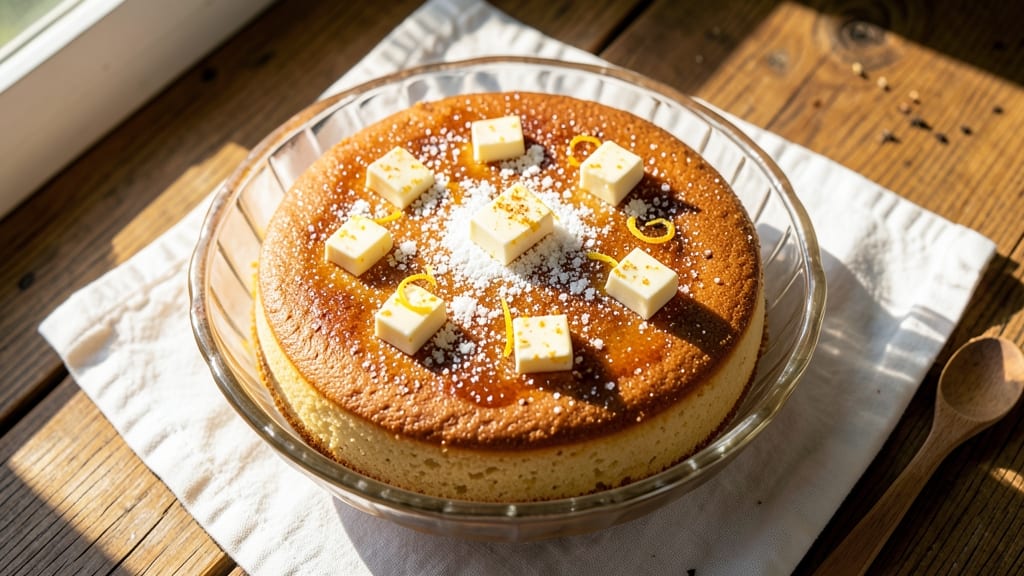
This American butter cake recipe delivers the perfect balance of tender vanilla layers and rich, buttery frosting that's been a classic dessert staple for generations. The secret lies in creaming butter and sugar properly, creating a light, airy texture that's impossible to resist.
I've perfected this recipe over years of baking, ensuring every slice is moist, flavorful, and just sweet enough to satisfy any craving.
The traditional method of layering and frosting transforms this cake into a showstopper for any occasion. With 325°F baking temperature and precise measurements, you'll achieve perfectly golden layers that hold together beautifully.
The frosting isn't just sweet—it's velvety smooth with just the right amount of vanilla extract to complement the cake's natural flavor.
What sets this butter cake apart is its foolproof technique that works every time, whether you're baking for a celebration or simply treating yourself. The layers stay moist for days, and the frosting adds that professional finish without being overly sweet.
It's the kind of dessert that makes people ask for seconds—and thirds.
Ready to bake a cake that tastes like nostalgia? This recipe delivers restaurant-quality results at home, with optional variations like lemon zest or chocolate swirls for customization. Let's get started on creating your perfect butter cake.
Ingredients for american butter cake
Twelve essential ingredients create the perfect balance of tender vanilla layers and velvety butter frosting.
| Ingredient | Amount | Notes |
|---|---|---|
| Unsalted Butter 🧈 | 1 cup | Cold, cubed for creaming |
| Granulated White Sugar 🍚 | 2 cups | Superfine preferred for smoothness |
| Large Eggs 🥚 | 4 whole | Room temperature for even mixing |
| All-Purpose Flour 🌾 | 2 ½ cups | Sifted, spooned for accuracy |
| Pure Vanilla Extract 🌿 | 2 tsp | Bourbon-infused for depth |
| Baking Powder 🧂 | 2 tsp | Freshly opened for lift |
| Diamond Crystal Kosher Salt 🧂 | ½ tsp | Fine grain preferred |
| Whole Milk 🥛 | ¾ cup | Room temperature for best texture |
| Vanilla Bean Seeds 🌿 | 1 whole | Scraped from 1 pod |
| Confectioners' Sugar 🍚 | 3 cups | Sifted for smooth frosting |
| Heavy Whipping Cream 🥛 | 1 cup | Cold for stiff peaks |
| Unsalted Butter (frosting) 🧈 | ½ cup | Softened to room temperature |
The butter quality makes or breaks this cake. Plugrá or Land O’Lakes cultured butter from the dairy aisle delivers that signature tang and richness. If using salted butter, reduce the kosher salt to 0.25 teaspoon—the recipe's precision demands balance. For the vanilla, Madagascar bourbon vanilla adds depth beyond imitation extracts. The flour? King Arthur or Gold Medal brands sift beautifully without clumping. I always measure flour by weight (280g) for accuracy, but if using cups, spoon it into the measuring cup and level off—don't scoop. The difference in texture is noticeable.
No vanilla bean? Double the extract and add a pinch of almond extract for complexity. Substituting milk? Evaporated milk at half the quantity works best—it's thicker and adds richness. For the frosting, heavy cream must be cold and chilled for at least 4 hours before whipping. If you're short on time, freeze the cream for 30 minutes before whipping. The frosting's velvety texture comes from proper technique: whip the butter and confectioners' sugar until light, then fold in the cream. For a lemon twist variation, add 1 tablespoon lemon zest to the dry ingredients—it brightens the vanilla beautifully.
Store the cake layers in an airtight container between layers of parchment for up to 3 days at room temperature. The frosting keeps for 5 days refrigerated, but assemble the cake within 24 hours for best texture. For make-ahead convenience, bake the layers 1 day ahead, cool completely, then wrap tightly in plastic. The frosting can be made 2 days ahead—just rewhip before assembling. Slice with a warm knife for cleaner cuts, and always serve at room temperature for that restaurant-quality experience.
Why You'll Love This Recipe
- No-Fuss Mixing: I swear by the creamy butter-sugar combo—just cream, then fold in eggs and flour. No sifting, no overthinking. The vanilla ties it all together so smoothly, even if I measure it by the sniff.
- Vanilla Butter Bliss: That first bite? Rich, buttery, and just sweet enough to make you pause. The eggs add structure without heaviness, and the vanilla—real extract, not imitation—lingers like a warm hug.
- Budget Baking Win: Four simple ingredients, no specialty tools. The butter and sugar do all the heavy lifting, and flour and eggs stretch it far. Leftovers? They disappear faster than I can reheat them.
Step-by-step instructions for American butter cake
Master this classic with precise techniques for tender layers and velvety frosting.
Cream Butter and Sugar to Light and Fluffy
In a stand mixer fitted with the paddle attachment, beat the 1 cup unsalted butter (cold and cubed) with the 2 cups granulated white sugar on medium speed for 3-4 minutes. You're looking for a pale, thickened mixture that nearly doubles in volume and leaves clean streaks on the bowl when you lift the paddle. This creaming process incorporates air, which creates that signature tender crumb.
I press down on the butter mixture with a spatula halfway through to ensure even distribution of the sugar crystals. Superfine sugar works best here—it dissolves more quickly and creates a smoother texture. If your sugar is granulated, pulse it in a food processor first to break up the crystals. Stop mixing when the mixture looks light and airy, but before it becomes too pale or grainy.
Add Eggs and Vanilla for Rich Flavor
Add the 4 whole large eggs (room temperature) one at a time, mixing on low speed for 30 seconds after each addition until fully incorporated. Scrape down the sides of the bowl to ensure all the egg is mixed in. Then add the 2 teaspoons bourbon-infused vanilla extract and the seeds scraped from 1 whole vanilla bean. Mix for another 30 seconds until combined.
Here's where the vanilla really shines. The bourbon-infused extract adds depth that plain vanilla can't match, while the vanilla bean seeds contribute subtle floral notes. If you're using only extract, make sure it's high-quality—cheap vanilla can make the cake taste artificial. The mixture should now be smooth, thick, and slightly ribbony when you lift the paddle.
Alternate Dry and Wet Ingredients for Even Moisture
In a separate bowl, whisk together the 2.5 cups all-purpose flour (sifted), 2 teaspoons baking powder, and 0.5 teaspoon diamond crystal kosher salt. With the mixer on low speed, gradually add the dry ingredients to the wet mixture in three additions, alternating with 0.25 cup whole milk after the first and second additions. End with the final 0.25 cup milk and mix just until combined—you should still see small flour streaks.
This alternating method ensures even moisture distribution without overmixing, which develops gluten and makes the cake tough. I use a spatula to gently fold in the last bit of milk to avoid creating air pockets. The batter should be thick but pourable. If it's too stiff, add a splash more milk—just enough to loosen it slightly. Don't overmix; the goal is a smooth, uniform batter that holds its shape when dropped from a spoon.
Bake in Prepared Pans for Even Rise
Preheat your oven to 350°F. Grease two 8-inch round cake pans with butter and line the bottoms with parchment paper. Divide the batter evenly between the pans. Tap each pan gently on the counter to remove any air bubbles, then smooth the tops with a spatula. Bake for 25-30 minutes, or until a toothpick inserted into the center comes out clean with just a few moist crumbs.
The cake should spring back when touched gently in the center. If the tops brown too quickly, tent the pans with foil after 15 minutes. I like to rotate the pans halfway through baking for even heat distribution. As soon as they're done, transfer the cakes to a wire rack to cool completely before frosting—this prevents them from becoming soggy.
Prepare the Vanilla Buttercream Frosting
In a stand mixer fitted with the paddle attachment, beat the 0.5 cup softened unsalted butter (frosting) on medium speed until smooth and creamy, about 2 minutes. Gradually add the 3 cups confectioners' sugar (sifted), mixing on low speed until combined. Increase the speed to medium and beat for 2-3 minutes until light and fluffy. Add the 1 cup cold heavy whipping cream and the 2 teaspoons vanilla extract, mixing until smooth and well incorporated.
This frosting should be thick enough to hold its shape but still pipeable. If it's too stiff, add 1 teaspoon milk at a time until it reaches the perfect consistency. For extra flavor, you can add a pinch of salt or a splash of vanilla bean infusion. The frosting should be cool but not cold when you spread it—this helps it set properly on the cake layers.
Assemble and Frost the Cake Layers
Place one cake layer on a cake stand or plate. Spread a thin layer of frosting (about 1/4 cup) over the top, then place the second layer on top. Gently press down to create a level surface. Frost the top and sides of the cake with the remaining frosting, using a spatula to smooth the sides. For a professional finish, I like to use a bench scraper to create clean edges.
Chill the cake in the refrigerator for 30 minutes before serving to allow the frosting to set. This step is crucial—it prevents the frosting from sliding off and gives you clean, sharp edges. Slice with a hot knife (dipped in hot water and wiped dry) for perfectly clean cuts. The final result should be tender, moist layers with a rich, velvety frosting that melts in your mouth.
Pro Tips For Making American Butter Cake
- CREAM THE BUTTER SLOWLY: Mix the butter and sugar at medium speed until the bowl is visibly warmer to the touch—about 3-4 minutes. I learned this the hard way: rushing it leaves pockets of unmelted butter, and the cake turns out greasy instead of tender.
- LET EGGS COME TO ROOM TEMP: Pop the eggs out of the fridge 30 minutes before using—no need to warm them further. Cold eggs curdle when they hit the warm butter mixture, and that’s when your cake’s structure starts to fight you.
- DON’T OVERMIX THE BATTER: Stop folding in the flour as soon as it’s just combined—no streaks, but no overworking either. I used to think more mixing = better rise, but this batter develops gluten fast, and suddenly you’ve got a dense brick instead of a cloud.
- CHILL THE BATTER 20 MINUTES: Give the batter a rest in the fridge before baking—even if you’re eager to pop it in. This lets the flour absorb the liquid, prevents sinking, and guarantees a higher, more even rise. (Yes, even if you’re impatient like me.)
Serving suggestions for leftovers
Classic Presentation
Serve your butter cake on a gold-rimmed cake stand for that timeless American diner look. I swear by a Wilton 8-inch cake plate—it elevates the presentation instantly. Add a dusting of confectioners' sugar on a fine mesh sieve for an elegant finish.
For extra flair, garnish with edible gold leaf or vanilla bean slices along the edges. 🌟
Fruit Toppings
Fresh berries brighten the cake beautifully. I recommend strawberries or raspberries arranged in a circular pattern on top. For a tropical twist, use mango slices or pineapple tidbits.
Lightly brush the fruit with apricot jam before placing to create a natural glaze. This adds moisture and prevents the fruit from drying out.
Coffee Pairings
Serve warm dark roast coffee alongside your cake for the perfect balance. A French press brew with cinnamon sticks complements the vanilla flavors beautifully. For a modern twist, try an espresso martini—the bitterness cuts through the sweetness.
I always keep a moka pot on hand for quick, rich coffee when entertaining.
Whipped Cream Garnish
Add a dollop of homemade whipped cream sweetened with 1 teaspoon vanilla sugar and a pinch of salt. Pipe it in a swirl pattern using a star tip for visual appeal.
For extra flair, sprinkle with crushed pistachios or toasted coconut flakes. This adds texture contrast and makes the cake feel extra special. ✨
Mini Cake Bites
Cut the cake into 1.5-inch squares for easy serving. Use a round cookie cutter for uniform shapes. Arrange on a tiered serving tray with mini vanilla wafers on the sides.
These bite-sized pieces are perfect for parties or when you want to share without committing to a full slice. The frosting stays intact beautifully.
Seasonal Variations
For summer gatherings, add lemon curd drizzle between layers. In fall, sprinkle cinnamon sugar on top before baking. Winter calls for cranberry compote on the sides.
Each variation keeps the classic butter cake fresh while celebrating the season. The key is to keep the frosting consistent—it's the star of the show! 🍂
Nutrition facts
Frequently asked questions
Why does this butter cake need to cool completely before frosting?
Cooling prevents soggy layers—warm cake absorbs moisture from the frosting, making it greasy. Let layers cool for 2 hours at room temperature, then refrigerate for 30 minutes before assembling. This ensures clean cuts and a professional finish.
Can I substitute butter with margarine in the frosting?
Not recommended! Margarine has lower fat content and lacks the rich flavor that makes buttercream velvety. Use European-style butter (82% fat) for extra richness, or add 1 tablespoon powdered milk to compensate for any dryness.
How do I fix sunken cake layers?
Underbaking or overmixing causes this. Next time, check for a clean toothpick at 25 minutes. If layers sink after baking, try this: Place a wire rack over a baking sheet, then invert the cooled cake layers. Chill for 1 hour to firm up before frosting.
What's the secret to fluffy buttercream?
Cold ingredients are key! Chill your mixing bowl and beaters for 10 minutes before whipping. Add the heavy cream last (after butter and sugar) and whip it separately to stiff peaks first. Fold it into the butter mixture gently to maintain airiness.
Can I bake this in a different pan size?
Yes, but adjust baking time. For 6-inch pans, bake 20-25 minutes; for 9-inch pans, bake 30-35 minutes. Use the toothpick test—it should come out with moist crumbs, not wet batter. Overcrowding causes dense layers, so don't exceed 3 layers** in a 9-inch pan.