
Desserts
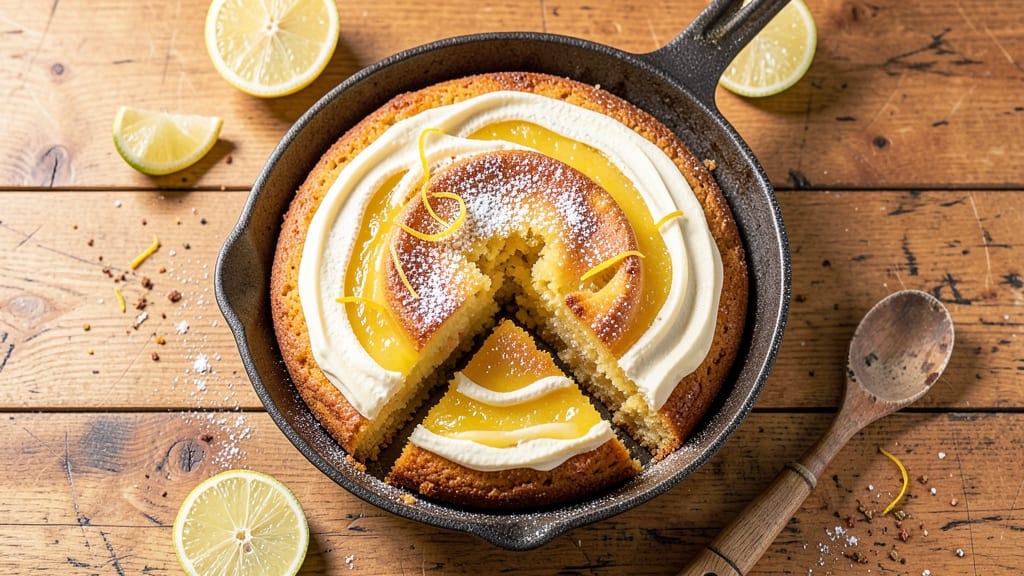
This Amish lemon cake recipe delivers the perfect balance of bright citrus and tender layers—just like the ones made in Pennsylvania farmhouse kitchens.
The secret lies in a simple batter with buttermilk and a touch of baking powder for that signature moist crumb, while the vanilla frosting adds a creamy contrast that makes every bite irresistible.
I've baked this version countless times, and it never fails to impress, whether served at family gatherings or as a comforting solo treat.
What sets this cake apart is its traditional approach—no artificial flavors or shortcuts, just real ingredients like fresh lemon juice, whole eggs, and a hint of vanilla extract.
The cake layers stay tender and slightly dense, while the frosting remains smooth and rich, thanks to a foolproof technique that prevents graininess. Amish baking often emphasizes simplicity, and this recipe embodies that philosophy while delivering restaurant-quality results at home.
The final product is a golden, zesty cake with layers that practically melt in your mouth, topped with a velvety vanilla frosting that ties everything together. The bright lemon flavor shines through without being overpowering, making it a crowd-pleaser that feels both nostalgic and fresh.
Whether you're baking for a special occasion or just craving a little homemade sweetness, this cake is the answer.
For an extra touch, you can add a simple lemon glaze or a crumbly streusel topping, but the classic version—just the cake and frosting—is already perfect. The recipe is designed to be straightforward, with clear steps and a 350°F oven temperature that ensures even baking.
Let's get started on creating this timeless dessert that tastes like a slice of tradition.
Ingredients for amish lemon cake
Traditional Amish baking relies on just twelve ingredients for this timeless citrus delight.
| Ingredient | Amount | Notes |
|---|---|---|
| All-Purpose Flour 🌾 | 2 ½ cups | Sifted for light texture |
| Granulated Sugar 🍚 | 1 ½ cups | White or light brown preferred |
| Buttermilk 🥛 | 1 cup | Room temperature for best results |
| Fresh Lemon Juice 🍋 | ¾ cup | From 3-4 medium lemons |
| Large Eggs 🥚 | 4 whole | Room temperature, separated |
| Unsalted Butter 🧈 | 1 cup | Cold, cubed for frosting |
| Pure Vanilla Extract 🌿 | 2 tsp | High-quality, not imitation |
| Baking Powder 🧂 | 2 tsp | Diamond Crystal preferred |
| Salt 🧂 | ½ tsp | Fine sea salt |
| Powdered Sugar 🍚 | 3 cups | For smooth frosting |
| Lemon Zest 🍋 | 1 tbsp | From organic lemons preferred |
| Heavy Whipping Cream 🥛 | 1 cup | Cold for frosting stability |
The flour and buttermilk form the foundation of this cake's signature tender crumb. King Arthur or Gold Medal flours yield the best texture—avoid self-rising blends. For the buttermilk, I always make my own by mixing 1 cup milk with 1 tbsp vinegar and letting it sit for 5 minutes. The fresh lemon juice should come from organic lemons when possible—their vibrant flavor makes all the difference. Store-bought juice lacks the bright acidity needed to cut through the richness of the butter. The eggs must be room temperature for even baking, so take them out of the fridge 30 minutes before starting.
No buttermilk? Substitute with 1 cup milk plus 1 tbsp vinegar or lemon juice, mixed and rested for 5 minutes. Running short on fresh lemons? Lemon extract at half the amount works in a pinch, though it lacks the same zesty punch. For the frosting, European-style butter like Plugrá creates a smoother finish than American brands. The vanilla extract is non-negotiable here—Madagascar bourbon vanilla adds depth, but pure vanilla will suffice. Powdered sugar should be sifted before measuring to prevent graininess in the frosting. If you prefer a lighter texture, reduce the powdered sugar to 2.5 cups and add 1 tbsp lemon juice to the frosting mixture.
Store cake layers wrapped in plastic wrap at room temperature for up to 2 days or freeze for 3 months. The frosting can be made 1 day ahead and stored in the fridge, then whipped back to fluffiness before assembly. For best results, assemble the cake just before serving—this prevents the layers from becoming soggy. The frosting holds up beautifully at room temperature for 4 hours, making it ideal for parties. If you have leftovers, slice and store in an airtight container with parchment between layers to maintain freshness.
Why You'll Love This Recipe
- Pantry Staples Only: I swear by this recipe because it uses what’s already in my cupboards—no specialty ingredients or last-minute grocery runs. The buttermilk and eggs add richness without fuss, and that bright lemon juice? Just a squeeze from whatever’s in my fridge.
- Bright Tang, No Guilt: The lemon juice cuts through the sweetness so cleanly, it’s like sunshine in cake form. Honestly, the sugar and flour balance it perfectly—no artificial flavors, no heavy frosting needed. Just pure, tangy satisfaction.
- Weeknight Hero: Between us, this is my go-to when I need dessert fast. The batter’s ready in minutes, and the oven time lets me multitask. Slice it warm for a quick treat or stash it for later—no stress, just cake.
- Budget-Friendly Luxury: I make this all the time because it’s cheap to feed a crowd. A few dollars buys enough flour and sugar for two cakes, and the leftovers? Still delicious days later. My kids don’t even notice it’s “frugal”—they just ask for seconds.
Step-by-step instructions for Amish lemon cake
Here's how to create layers of tender lemon cake with a velvety vanilla frosting that balances bright citrus perfectly.
Prepare the Cake Batter
Preheat your oven to 350°F and grease two 8-inch round cake pans, then line the bottoms with parchment paper. In a medium bowl, whisk together the 2.5 cups all-purpose flour, 2 teaspoons baking powder, and ½ teaspoon salt. Sift this dry mixture directly into a large mixing bowl to aerate it.
In a separate bowl, combine the 1.5 cups granulated sugar, 4 whole large eggs, and 2 teaspoons pure vanilla extract. Whisk until the mixture is pale yellow and slightly thickened. Gradually pour in the 1 cup buttermilk and ¾ cup fresh lemon juice while mixing on low speed. Add the dry ingredients to the wet mixture and mix just until combined—avoid overmixing to maintain a tender crumb.
Bake the Lemon Layers
Divide the batter evenly between the prepared cake pans. Bake for 25-30 minutes, or until a toothpick inserted into the center comes out clean and the edges are lightly golden. Rotate the pans halfway through baking for even browning. Let the cakes cool in the pans for 10 minutes, then transfer to a wire rack to cool completely.
While the cakes cool, prepare the lemon glaze by whisking together ½ cup powdered sugar with 2 tablespoons fresh lemon juice until smooth. Brush this glaze evenly over the cooled cake layers while still warm—this keeps them moist and adds extra zing. Let the glaze set for 5 minutes before assembling.
Make the Vanilla Frosting
In a medium bowl, beat the 1 cup cold heavy whipping cream with an electric mixer until soft peaks form. Gradually add the 3 cups powdered sugar and 1 tablespoon lemon zest while continuing to beat. Increase the speed to high and whip until the frosting is thick, glossy, and holds stiff peaks—this should take about 3-4 minutes.
For extra flavor, add 1 teaspoon vanilla extract and mix briefly. The frosting should be smooth and pipeable. If it's too thick, chill for 10 minutes before using. This step is crucial for achieving that signature Amish vanilla frosting consistency that complements the lemon layers perfectly.
Assemble and Decorate
Place one cake layer on a serving plate. Spread a thin layer of frosting over the top to seal in moisture, then add the second layer. Crumb coat the entire cake by spreading a thin layer of frosting over all surfaces with an offset spatula. Chill the cake in the refrigerator for 15 minutes to firm up the crumb coat.
After chilling, apply the remaining frosting to the cake, creating smooth sides and a slightly domed top. Use a bench scraper to create clean edges. For decoration, pipe rosettes or swirls around the base of the cake for a classic Amish presentation. Serve at room temperature for the best texture contrast between the moist cake and smooth frosting.
Pro Tips For Making Amish Lemon Cake
- Bake at 325°F—not higher: The recipe relies on slow, even baking to develop that signature tender crumb. I learned this the hard way—cramming it in a 350°F oven gives you a dry, uneven cake. Use an oven thermometer if yours runs hot, and rotate the pan halfway through for symmetry.
- Use room-temperature eggs: Cold eggs mix poorly and create air pockets that lead to a dense cake. Crack them into a measuring cup, cover, and let sit for 30 minutes before adding. (Yes, even if you’re impatient like me.)
- Measure buttermilk precisely: This isn’t the time to eyeball. Too little buttermilk = dry crumb; too much = a gummy mess. Use a kitchen scale for accuracy, or fill a measuring cup to the brim—no shaking or packing the flour.
- Zest before juicing: The real lemon flavor hides in the zest. Grate the peel of 1–2 lemons (about 1 tablespoon) and fold it into the batter along with the juice. Skip this, and you’re missing the bright, citrusy depth that makes this cake special.
Flavor customization for amish lemon cake
Citrus Boost Options
For an extra zesty punch, add 1 tbsp lemon zest to the batter alongside the juice. I find this amplifies the bright flavor without overpowering the cake.
For a subtler twist, swap ½ cup of the lemon juice for ½ cup orange juice—the citrus blend creates a delightful complexity that works beautifully with the vanilla frosting. 🍋
Spiced Variations
Warm up the lemon flavor by adding 1 tsp ground ginger or ½ tsp cinnamon to the dry ingredients. These spices complement the citrus beautifully and add a cozy, comforting note.
I often use Penzeys Spices for their high-quality blends. For a more adventurous take, a pinch of cardamom adds an exotic depth that pairs surprisingly well with the vanilla frosting.
Frosting Flavor Swaps
While vanilla frosting is classic, you can easily customize it. For a citrusy twist, replace ½ cup of the powdered sugar with ½ cup confectioners' sugar mixed with 1 tbsp lemon zest. For a richer option, add 2 tbsp mascarpone cheese to the frosting for a luxurious texture.
I’ve also experimented with a white chocolate ganache drizzle on top—just melt ½ cup white chocolate with ¼ cup heavy cream and drizzle over the assembled cake.
Texture Adjustments
If you prefer a denser cake, reduce the buttermilk by ¼ cup and add 2 tbsp sour cream for extra moisture and richness. For a lighter crumb, fold ½ cup whipped egg whites into the batter just before baking.
I’ve also found that adding 1 tbsp cornstarch to the flour mixture helps keep the cake tender even when sliced ahead of time. The frosting can be adjusted too—adding 1 tbsp corn syrup makes it more stable for piping intricate designs.
Topping Ideas
For a rustic touch, sprinkle toasted almonds or pecans over the frosting before it sets. A simple lemon glaze (mix ½ cup powdered sugar with 1 tbsp lemon juice) drizzled over the top adds a glossy finish.
If you love crunch, try a streusel topping made with ½ cup flour, ¼ cup sugar, ¼ cup cold butter, and 1 tsp cinnamon, baked for 5 minutes before assembling the cake. This adds a delightful contrast to the soft layers below. 🌟
Nutrition facts
Frequently asked questions
Can I make this Amish lemon cake in a bundt pan instead of round layers?
This recipe works beautifully in a 10-cup bundt pan for a single-serving cake. Reduce the baking time to 40-45 minutes at 350°F and brush the warm cake with the lemon glaze while still in the pan. The texture will be slightly denser but equally moist. For extra flair, dust with powdered sugar after cooling.
Why did my cake turn out dry instead of moist?
Overbaking or overmixing are the most common culprits. Always check for doneness with a toothpick at 25 minutes, and remove from the oven immediately when clean. For extra moisture, try adding 2 tbsp sour cream to the batter or brushing with an extra layer of lemon glaze before frosting. The buttermilk is key—ensure it's fresh and properly thickened.
How can I make this cake gluten-free?
Replace the all-purpose flour with a 1:1 gluten-free baking flour blend (like Bob's Red Mill) and add ½ tsp xanthan gum to improve structure. Use 1 cup almond milk instead of buttermilk and let it sit for 5 minutes to thicken. The texture will be slightly denser, but the lemon flavor will still shine through beautifully.
Can I use this recipe for a lemon layer cake with multiple tiers?
Yes! For a three-tier cake, bake three 6-inch round layers at 350°F for 20-25 minutes. Scale the frosting up by 50% (use 4.5 cups powdered sugar) and add a 1-inch cake board between tiers. Chill each layer for 15 minutes before stacking to prevent collapsing. Decorate with piped rosettes for an elegant touch.
What's the best way to store leftovers?
Wrap individual slices in plastic wrap and store in an airtight container at room temperature for 2 days. For longer storage, freeze slices (without frosting) for up to 3 months. To reheat, thaw overnight in the fridge and warm in a 300°F oven for 10 minutes to restore moisture. The frosting can be refreshed with a quick whip if needed.