
Desserts
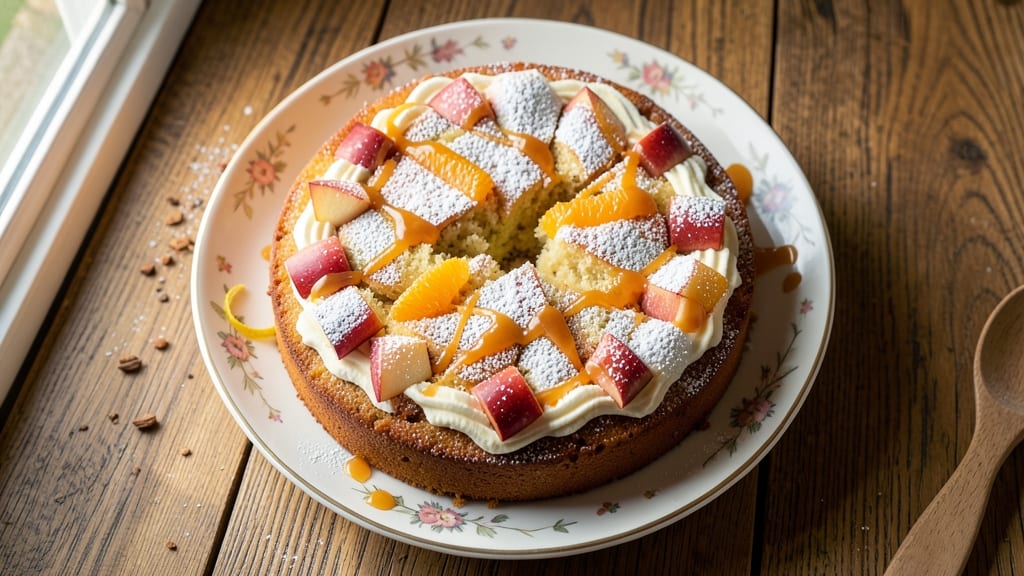
This apple and orange cake recipe delivers a perfect balance of sweet-tart citrus and spiced apple flavors in every moist, tender layer. The secret lies in using fresh apple chunks and bright orange zest—no artificial extracts needed. I’ve baked this cake for holidays and casual gatherings, and it never disappoints.
The cake’s magic comes from a simple yet effective technique: baking two layers separately for even cooking, then filling with a tangy orange glaze or buttery cream cheese frosting. Warm cinnamon and nutmeg deepen the citrus notes, while a pinch of cardamom adds an unexpected sophistication.
The texture stays moist for days, making it ideal for slicing or gifting.
What you’ll end up with is a visually stunning cake—golden layers peek through the frosting, and the aroma of citrus and spice fills the kitchen. This recipe works equally well as a classic dessert or a modern twist on fruit cake traditions.
Whether you prefer a dense, spiced texture or lighter, fluffier layers, the method adapts easily.
For extra flair, top with candied orange peel or toasted pecans. The possibilities are endless, but the foundation remains the same: bright citrus, tender apples, and a frosting that ties it all together. Ready to bake?
Ingredients for apple and orange cake
Bright citrus and tender apples create layers of flavor in this classic yet refined cake.
| Ingredient | Amount | Notes |
|---|---|---|
| All-Purpose Flour 🌾 | 2 ½ cups | Sifted for light texture |
| Granulated Sugar 🍚 | 1 ½ cups | White or light brown |
| Light Brown Sugar 🍚 | ½ cup | Packed firmly |
| Unsalted Butter 🧈 | 1 cup | Room temperature, cubed |
| Large Eggs 🥚 | 2 whole | Room temperature |
| Orange Zest 🍊 | 2 tbsp | From 2 large oranges |
| Orange Juice 🍊 | ½ cup | Freshly squeezed |
| Apples 🍎 | 2 whole | Honeycrisp or Granny Smith |
| Ground Cinnamon 🌿 | 2 tsp | Freshly ground preferred |
| Ground Nutmeg 🌿 | ½ tsp | Freshly grated |
| Ground Cardamom 🌿 | ¼ tsp | Optional for sophistication |
| Baking Powder 🧂 | 1 ½ tsp | Aluminum-free preferred |
| Salt 🧂 | ½ tsp | Fine sea salt |
| Vanilla Extract 🍯 | 1 tsp | Pure vanilla preferred |
| Heavy Cream 🥛 | 1 cup | Cold for frosting |
| Powdered Sugar 🍚 | 2 cups | Sifted for smooth frosting |
The apples and oranges are the stars here. Honeycrisp or Granny Smith apples stay firm when baked, while Navel or Valencia oranges provide the brightest zest. I always grab organic fruit from Whole Foods or my local farmers market—they’ve got the best flavor punch. For the zest, use a microplane or the fine side of a grater; the more surface area, the more aromatic the cake. If you can’t find fresh cardamom pods, Penzeys sells pre-ground pods that are a game-changer for this recipe.
No Honeycrisp apples? Gala or Fuji work just as well—they’re sweeter but still hold their shape. Running out of orange juice? Substitute with grapefruit juice at half the amount, but reduce the sugar slightly since it’s more tart. For the brown sugar, light or dark works, but light keeps the cake’s color brighter. The cardamom is optional but worth it if you love floral notes—start with just 1/4 teaspoon to test. And if you’re making this ahead, the cake actually improves after 24 hours as the flavors meld.
Store the cake layers wrapped tightly in plastic at room temperature for up to 3 days, or freeze them for 3 months—they’re perfect for last-minute gatherings. The frosting keeps in the fridge for 1 week but tastes best when made fresh. I always bake the layers the day before, then frost and serve at room temperature. This way, the cake stays moist and the citrus flavors shine brightest.
Why You'll Love This Recipe
- No Fuss Mixing: I swear by this recipe—just cream butter and sugars, toss in eggs, then fold in flour. No sifting, no measuring cups that disappear mid-bake. The cake’s light texture comes from beating the butter and sugars until fluffy (yes, I use a stand mixer for this), but even if you hand-whisk, it’s forgiving.
- Tart-Sweet Magic: That brown sugar caramelizes into the apples while the orange zest lifts everything. Honestly, the first bite is like autumn in a slice—juicy, slightly tangy, with a buttery crunch from the citrus. (Pro tip: Zest the peel, but no pith—bitter is the enemy here.)
- Leftovers That Shine: This cake keeps beautifully for days, and honestly? It’s even better the second day. I slice it for breakfast with yogurt or pack it in lunches—no one ever turns it down. The apples stay moist, and the orange flavor deepens, making it taste like a treat, not a sad desk snack.
- Budget-Friendly Luxury: You’re using pantry staples—flour, sugar, butter—plus seasonal fruit. I’ll be real: my grocery bill drops when I bake this instead of buying pre-made cakes. And since it’s a single-layer loaf, it’s not a huge spread, but it feels special enough for gatherings without breaking the bank.
Step-by-step instructions for apple and orange cake
This method delivers perfectly moist layers with bright citrus flavor and a velvety frosting.
Prepare the Apples and Mix Dry Ingredients
Peel, core, and dice the 2 whole apples into ¼-inch cubes. Toss them with 1 tablespoon of the ½ cup orange juice to prevent browning. Set aside in a bowl.
In a separate bowl, whisk together the 2.5 cups all-purpose flour, 1.5 cups granulated sugar, ½ cup light brown sugar, 2 teaspoons ground cinnamon, ½ teaspoon ground nutmeg, ¼ teaspoon ground cardamom, 1.5 teaspoons baking powder, and ½ teaspoon salt. Sift the mixture once to ensure even distribution of leavening agents.
Cream Butter and Sugars, Then Add Wet Ingredients
In a stand mixer fitted with the paddle attachment, beat the 1 cup unsalted butter on medium speed until smooth and creamy, about 2 minutes. Gradually add the granulated sugar and brown sugar mixture, mixing on medium-high speed until light and fluffy, about 3-4 minutes. Scrape down the sides of the bowl as needed.
Add the 2 whole large eggs, one at a time, mixing well after each addition. Stir in the 2 tablespoons orange zest and 1 teaspoon vanilla extract. Finally, pour in the remaining ½ cup orange juice, mixing until fully combined. The batter should be smooth and slightly thick.
Combine Wet and Dry Ingredients and Fold in Apples
With the mixer on low speed, gradually add the dry ingredients to the wet mixture. Mix just until combined—do not overmix, as this can make the cake dense. Gently fold in the prepared apples using a spatula, ensuring they are evenly distributed throughout the batter.
Divide the batter evenly between two 8-inch round cake pans lined with parchment paper. Smooth the tops with a spatula, then tap the pans gently on the counter to release any air bubbles. This ensures even layers and a level top.
Bake Until Golden and Springy
Preheat the oven to 350°F. Bake the cakes for 30-35 minutes, or until a toothpick inserted into the center comes out clean and the tops are golden brown. Rotate the pans halfway through baking for even browning.
Remove the cakes from the oven and let them cool in the pans for 10 minutes. Transfer to a wire rack to cool completely before frosting. The cakes should be slightly springy to the touch and fully set.
Make the Frosting and Assemble the Cake
In a medium bowl, beat the 1 cup cold heavy cream with an electric mixer until stiff peaks form. In a separate bowl, whisk together the 2 cups powdered sugar and the remaining 1 tablespoon orange juice until smooth. Gently fold the powdered sugar mixture into the whipped cream until fully combined and smooth.
Place one cake layer on a serving plate and spread a generous layer of frosting on top. Repeat with the second layer, then cover the entire cake with the remaining frosting. Smooth the sides with a spatula, then decorate with additional orange zest or apple slices if desired. Chill in the refrigerator for 30 minutes before serving to allow the frosting to set.
Pro Tips For Making Apple And Orange Cake
- Weigh Your Butter: I learned this the hard way—packed butter weighs differently than scooped butter, and this cake needs precision. Use a kitchen scale for the butter (and flour, if you’re picky) to guarantee the right ratio of richness to structure. That extra 10 grams might not sound like much, but it’ll make your cake denser or greasier than intended.
- Zest Before Juicing: The orange’s zest packs more citrus punch than juice alone, and it’s the secret to that bright, professional finish. Use a microplane to zest the peel (about 1 teaspoon) before juicing the fruit—this way, you’re not scraping pulp off later. (Yes, even if you’re impatient like me.)
- Check Doneness Early: This cake’s moist buttery goodness tricks you into pulling it too soon. Press a toothpick in at 45 minutes—if it comes out clean but the center’s just slightly sticky, that’s your cue. Overbaking dries it out, and underbaking leaves it gummy. Trust the toothpick, not the timer.
- Toss Fruits in Flour: Skip the soggy bottom by tossing your diced apples and oranges in a tablespoon of flour before folding them into the batter. It creates a light barrier that keeps them from sinking and turning the cake’s texture to mush. (Your future self will thank you.)
Health benefits of this apple and orange cake
Citrus Vitamin Boost
This cake packs a powerful dose of vitamin C—just one slice provides about 25% of your daily needs from the fresh orange juice and zest. Vitamin C supports immune function and collagen production, making this dessert surprisingly beneficial for your skin and overall health. 💛
Fiber-Rich Apple Benefits
The 2 whole apples contribute 6 grams of fiber per serving, promoting healthy digestion and steady blood sugar levels. Honeycrisp or Granny Smith varieties add natural sweetness without refined sugars, making this cake a smarter dessert choice than many others.
Natural Energy Source
The combination of complex carbs from flour and natural sugars from fruit provides sustained energy without the crash of processed desserts. The cardamom and cinnamon also help regulate blood sugar, making this cake ideal for post-meal satisfaction. Perfect for gatherings where you want something delicious and nourishing!
Antioxidant Powerhouse
Oranges are rich in flavonoids, particularly hesperidin, which has been linked to reduced inflammation and improved heart health. The apples contribute quercetin, another potent antioxidant that fights oxidative stress. Together, they create a dessert that's as good for you as it is for your taste buds. ✨
Low-Calorie Indulgence
At just ~300 calories per slice, this cake offers a lighter alternative to rich chocolate or cream-based desserts. The citrus flavors make it feel indulgent while keeping the calorie count in check—ideal for those watching their intake without sacrificing flavor.
Hydration Helper
The ½ cup fresh orange juice in the batter adds hydration benefits, with electrolytes like potassium that support muscle function and hydration. Unlike canned juices, fresh-squeezed orange juice retains all its natural enzymes and nutrients, making this cake a refreshing choice even on hot days.
Nutrition facts
Frequently asked questions
Can I make this cake without eggs?
Yes! For a vegan version, replace the 2 eggs with 2 tablespoons ground flaxseed mixed with 6 tablespoons water (let it sit for 5 minutes to thicken) or ½ cup unsweetened applesauce. The texture will be slightly denser but still moist. The citrus flavors help balance any difference in structure.
How do I prevent the cake from being too dry?
Overbaking is the #1 cause of dry cake. Remove it from the oven when a toothpick comes out with just a few moist crumbs (30-35 minutes at 350°F). For extra moisture, brush the warm layers with 2 tablespoons orange juice before frosting. Also, avoid overmixing the batter—this develops gluten and makes the cake tough.
Can I use dried fruit instead of fresh apples and oranges?
Fresh fruit is ideal for texture and moisture, but you can substitute with ½ cup dried apples (soaked in warm water for 10 minutes) and 2 tablespoons dried orange peel. Reduce the sugar by 2 tablespoons since dried fruit is sweeter. The cake will be denser but still flavorful. For best results, chop the dried fruit finely to mimic fresh texture.
What's the best way to store leftovers?
Wrap each layer tightly in plastic wrap and store at room temperature for up to 3 days or freeze for 3 months. The frosting keeps in the fridge for 1 week—just rewhip if it softens. For serving, let the cake sit at room temperature for 30 minutes before slicing to restore moisture. The flavors actually improve after 24 hours as the citrus melds!
Can I make this cake gluten-free?
Replace the 2.5 cups all-purpose flour with a 1:1 gluten-free flour blend (like Bob's Red Mill) plus ½ teaspoon xanthan gum. You may need to add 1-2 tablespoons extra milk since gluten-free batters are often drier. Test the blend first—some work better than others for cake textures. The citrus flavors still shine through!