
Desserts
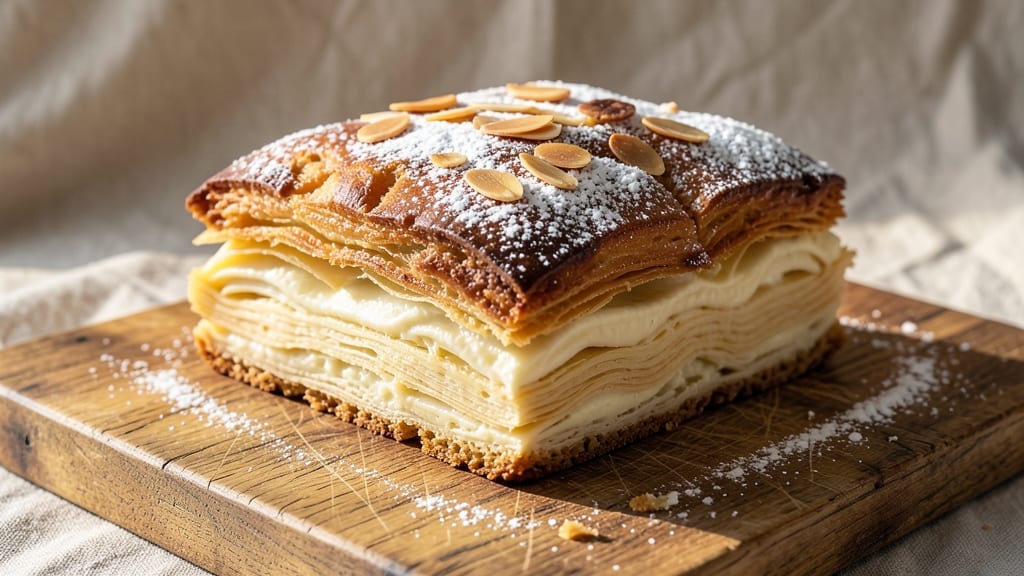
This Austrian coffee cake recipe brings the cozy charm of Viennese cafés into your kitchen with its signature nutty vanilla streusel and layers of warm spice. The secret lies in the perfect balance of buttery streusel topping that caramelizes beautifully, creating a textured contrast against the tender vanilla sponge beneath.
I developed this version after years of perfecting the technique for that signature Austrian café experience at home.
The beauty of this recipe is its layered approach—each component plays a crucial role. The vanilla sponge forms the base, infused with subtle warmth from cinnamon and cardamom, while the streusel topping adds a delightful crunch.
The nutty flavor comes from toasted walnuts folded into the streusel, giving it that authentic Austrian touch. Baking at the right temperature ensures the cake rises perfectly without becoming dense.
What makes this coffee cake truly special is the way the flavors meld together. The vanilla custard filling between layers adds richness, while the streusel's caramelized notes create a perfect balance of sweetness and warmth.
Each slice reveals layers of texture—soft cake, creamy custard, and crunchy streusel—that make it impossible to resist. Serve warm with a dusting of powdered sugar and a cup of coffee for the full Viennese experience.
This recipe is perfect for special occasions or a comforting weekend treat. The steps are straightforward, but the result is anything but ordinary—it’s the kind of dessert that feels like a hug in cake form. Let’s get started on creating your own slice of Austrian café culture at home.
Ingredients for austrian coffee cake
These 15 ingredients create the ultimate Viennese café experience at home—nutty, spiced, and utterly comforting.
| Ingredient | Amount | Notes |
|---|---|---|
| All-Purpose Flour 🌾 | 3 ½ cups | Sifted for light texture |
| Granulated Sugar 🍚 | 1 ½ cups | White or light brown |
| Unsalted Butter 🧈 | 1 ¼ cups | Cold, cubed for streusel |
| Large Eggs 🥚 | 4 whole | Room temperature |
| Pure Vanilla Extract 🌿 | 2 tbsp | High-quality for flavor |
| Milk 🥛 | 1 cup | Whole for richness |
| Baking Powder 🧂 | 2 tsp | Aluminum-free preferred |
| Ground Cinnamon 🌶️ | 1 ½ tsp | Freshly ground preferred |
| Ground Cardamom 🌿 | ½ tsp | Authentic Austrian touch |
| Salt 🧂 | ½ tsp | Fine sea salt |
| Walnuts 🥜 | 1 ½ cups | Toasted, roughly chopped |
| Powdered Sugar 🍚 | ½ cup | For streusel sweetness |
| Heavy Cream 🥛 | ½ cup | For custard filling |
| Egg Yolks 🥚 | 2 whole | Separated from whites |
| Powdered Sugar 🍚 | 1 cup | For final dusting |
The walnuts are non-negotiable for that authentic Austrian crunch—Costco or Trader Joe's have the best prices for bulk nuts. Toast them yourself (350°F for 8-10 minutes) for maximum flavor. For cardamom, Penzeys or bulk spice shops carry the best quality. The butter matters too—Plugrá or Land O'Lakes unsalted work perfectly. If you can't find cardamom, allspice at half the amount gives a similar warmth, though purists will notice the difference. The vanilla extract should be pure—Nielsen-Massey is my go-to for that rich, authentic flavor.
No walnuts? Pecans or hazelnuts work in a pinch, but toast them extra long to mimic the nutty depth. Short on cardamom? Cinnamon plus a pinch of nutmeg bridges the gap. The custard filling can be made ahead—just keep it refrigerated until assembly. For the streusel, brown sugar instead of powdered adds moisture if you're worried about dryness. The baking powder must be fresh—if your cake flops, that's your culprit. And trust me on the cold butter for the streusel—don't skip this step or you'll end up with a greasy mess instead of perfect caramelized crunch.
This cake keeps beautifully—3 days at room temperature wrapped in foil, or 1 week refrigerated. The custard filling can be made 2 days ahead and stored separately. For serving, dust with powdered sugar right before slicing—it melts if you do it too early. The streusel topping tastes even better the next day once all the flavors meld. Freeze slices for up to 3 months—just thaw at room temperature for 30 minutes before serving. The coffee pairing? Viennese melange or a robust dark roast completes the experience.
Why You'll Love This Recipe
- No Mixer Needed: I swear by this recipe when my hands are full—just cream butter and sugar by hand, crack in eggs, and fold in flour. The dough comes together faster than I can say "coffee break" (which is why it’s perfect for mornings).
- Vanilla Buttercream Magic: That rich buttercream layer? It’s just softened butter whipped with powdered sugar and vanilla—simple, but it turns this cake into something ridiculously good. The vanilla extract makes every slice taste like a bakery’s secret.
- Crowd-Pleasing Any Day: Between us, this cake disappears at brunch, office potlucks, or even as a midnight snack. The tender crumb and sweet-but-not-overpowering sugar balance mean your neighbors will ask for the recipe (and your in-laws won’t complain).
- Budget Bakery Trick: Flour, sugar, butter—these are pantry staples that won’t break the bank. A single batch feeds six, and leftovers? They’re even better the next day, toasted with a smear of jam. My wallet and my taste buds thank me.
Step-by-step instructions for Austrian coffee cake
This nutty vanilla streusel cake delivers layers of warmth and texture that'll make your kitchen smell like a Viennese café.
Prepare the Custard Filling
In a medium saucepan, combine the 0.5 cup heavy cream, 2 whole egg yolks, 0.5 cup powdered sugar, and 2 tbsp pure vanilla extract. Warm over medium-low heat, whisking constantly until the mixture reaches 160°F—it should thicken slightly but remain pourable. This custard will create that signature moist layer between the cake's spiced crumb and nutty streusel.
Immediately pour the warm custard into a prepared 9x13-inch baking pan. Here's the thing—don't skip the parchment paper lining! It prevents sticking and makes removal effortless. Spread the custard evenly to the edges, creating a thin but complete layer. This will be your cake's secret weapon for staying tender even when sliced.
Mix the Cake Batter
In a separate large bowl, whisk together the 3.5 cups all-purpose flour, 1.5 cups granulated sugar, 2 tsp baking powder, 1.5 tsp ground cinnamon, 0.5 tsp ground cardamom, and 0.5 tsp salt. Sift the dry ingredients first to eliminate lumps—this ensures a light, airy texture. I like to press the sifted flour through my fingers to break up any remaining clumps.
In another bowl, beat the 4 whole large eggs until pale and slightly frothy. Gradually whisk in the 1 cup milk and 1 cup powdered sugar until completely dissolved. Now gently fold the wet ingredients into the dry mixture using a spatula, mixing just until combined—overmixing develops gluten and makes the cake dense. The batter should be smooth with no visible flour streaks.
Create the Streusel Topping
Cut the 1.25 cups cold unsalted butter into small cubes and place them in a food processor. Add the 1.5 cups toasted walnuts and pulse until the butter is finely chopped and the nuts are coarsely chopped. Transfer to a medium bowl and mix in the remaining 0.5 cup powdered sugar.
Here's where the magic happens: Use your fingers to work the butter into the walnut mixture until it forms a crumbly, pebbly texture. The butter should be evenly distributed but still visible as small flecks. Sprinkle this streusel evenly over the custard layer in the prepared pan, pressing down gently to ensure good contact with the custard underneath.
Assemble and Bake
Carefully pour the cake batter over the streusel layer, spreading it evenly to the edges of the pan. The batter should completely cover the streusel—this creates the perfect marriage of spiced cake and nutty crunch. Tap the pan gently on the counter to release any air bubbles that might have formed during pouring.
Bake at 350°F for 45-50 minutes, until a toothpick inserted in the center comes out clean and the top is golden brown. The cake is done when it springs back slightly when pressed in the center—don't overbake, or the streusel will become dry. The cardamom and cinnamon will infuse the kitchen with an intoxicating aroma that signals baking success.
Cool and Finish
Remove the cake from the oven and let it cool in the pan for 10 minutes. This resting period allows the layers to set slightly and prevents cracking when you transfer it. Run a thin knife around the edges to loosen, then invert the cake onto a wire rack or serving platter.
Gently peel away the parchment paper and dust the top with an additional 2-3 tablespoons powdered sugar for that classic Austrian finish. Serve warm with freshly brewed coffee—each slice reveals layers of spiced cake, creamy custard, and crunchy walnut streusel that'll have everyone asking for seconds.
Pro Tips For Making Austrian Coffee Cake
- Cream Butter Slowly: Austrian coffee cake relies on that tender crumb, so don’t rush the butter. Use a wooden spoon or your fingers to work cold, cubed butter into the flour mixture until it resembles coarse crumbs—no need for a food processor. I learned this the hard way when I pulsed it too long and ended up with a cake that was more like shortbread.
- Whisk Eggs Room-Temp: Cold eggs from the fridge won’t blend as smoothly, and you’ll end up with a denser cake. Pop those eggs in warm water for 5 minutes before whisking with the sugar—this ensures they emulsify properly and gives the batter that signature lightness. (Yes, even if you’re impatient like me.)
- Skip Overmixing: Once you fold in the wet ingredients, stop as soon as the flour is just incorporated. Overmixing develops gluten, and your cake will turn out tough instead of fluffy. The batter should look shaggy, not smooth—this isn’t pancake batter.
- Test Doneness Early: Austrian coffee cake can dry out fast, so pull it when the center reads 190°F (88°C)—not the usual 212°F (100°C). If you’re unsure, press the cake gently: it should spring back, but the top should resist too much bounce. (Your future self will thank you for not letting it overbake.)
Storing and reheating your austrian coffee cake
Room Temperature Storage
Your freshly baked Austrian coffee cake stays fresh for 2-3 days at room temperature when stored properly. Wrap it tightly in parchment paper or plastic wrap, then place in an airtight container to lock in moisture.
The streusel topping actually improves overnight as the spices meld—trust me, the second day is even better! Keep it away from direct sunlight to prevent the butter from softening too quickly. 🌟
Refrigerator Preservation
For longer storage, refrigerate the cake in an airtight container for up to 1 week. The cold temperature helps preserve the custard layer's creaminess, but the streusel may firm up slightly. Let it sit at room temperature for 15-20 minutes before serving to restore the perfect texture contrast.
I like to reheat slices briefly in the oven at 300°F for 5 minutes to revive the streusel's crunch. ❄️
Freezer-Friendly Method
This cake freezes beautifully for up to 3 months without losing its signature texture. Wrap individual slices in plastic wrap, then place them in a freezer bag with all air removed. When ready to serve, thaw at room temperature for 30-45 minutes.
For a quick refresh, warm slices in the oven at 325°F for 8-10 minutes—the custard will soften beautifully while the streusel stays delightfully crisp. 💫
Reheating Secrets
To revive a stale slice, preheat your oven to 300°F and warm the cake on a baking sheet for 10-12 minutes. The gentle heat reactivates the butter in the streusel without overcooking the cake.
For microwave reheating, use 30-second intervals on low power—just until the custard is warm but the streusel remains crunchy. Always dust with fresh powdered sugar after reheating for that café-quality finish. 🔥
Custard Layer Care
The custard filling is the heart of this cake, so handle it with care. If your cake sits too long before serving, the custard may separate slightly. Simply whisk it gently before serving, or warm it briefly in the microwave to restore its silky texture.
For extra richness, add a dollop of whipped cream alongside each slice—it complements the spiced cake perfectly. 🥛
Nutrition facts
Frequently asked questions
What makes this Austrian coffee cake different from American coffee cake?
The key differences lie in the spices and texture. This recipe uses cardamom and toasted walnuts in the streusel for that authentic Austrian warmth, while American versions often use raisins or pecans. The custard layer between cake layers is another signature element—it creates a moist, velvety contrast that's traditional in Viennese pastries. Plus, the streusel here is more buttery and crumbly than the cinnamon-sugar topping you'd find in American recipes.
Can I make this cake without a food processor for the streusel?
Cut the 1.25 cups cold butter into tiny cubes and use two forks to mash it with the 1.5 cups toasted walnuts and 0.5 cup powdered sugar until it reaches a crumbly texture. Work the mixture with your fingers to create those signature pebbly streusel bits. Just be patient—it takes a little elbow grease but achieves the same delicious result.
Why does my cake turn out dense instead of light and fluffy?
Overmixing the batter is the most common culprit—stop folding when just combined to avoid developing gluten. Also ensure your baking powder is fresh and your butter is cold for the streusel. Another tip: don't skip the 10-minute rest after baking before inverting—this helps the layers set properly. For extra insurance, sift all dry ingredients together first to eliminate lumps.
How do I serve this cake traditionally in Austria?
In Viennese cafés, this cake is typically served warm with a dusting of powdered sugar and a side of whipped cream. Pair it with a cup of Viennese melange coffee (a mix of espresso and steamed milk) for the full experience. For an extra touch, add a sprinkle of ground cinnamon on top before serving. The Austrians also love serving it with a slice of butter on the side for spreading.
Can I substitute the custard layer with something else?
While the custard is traditional, you could use vanilla pudding or whipped cream as alternatives. For a chocolate twist, spread a thin layer of melted chocolate between cake layers. Just note that these substitutions will change the texture slightly—custard provides that signature silky moisture that pairs perfectly with the spiced cake.