
Desserts
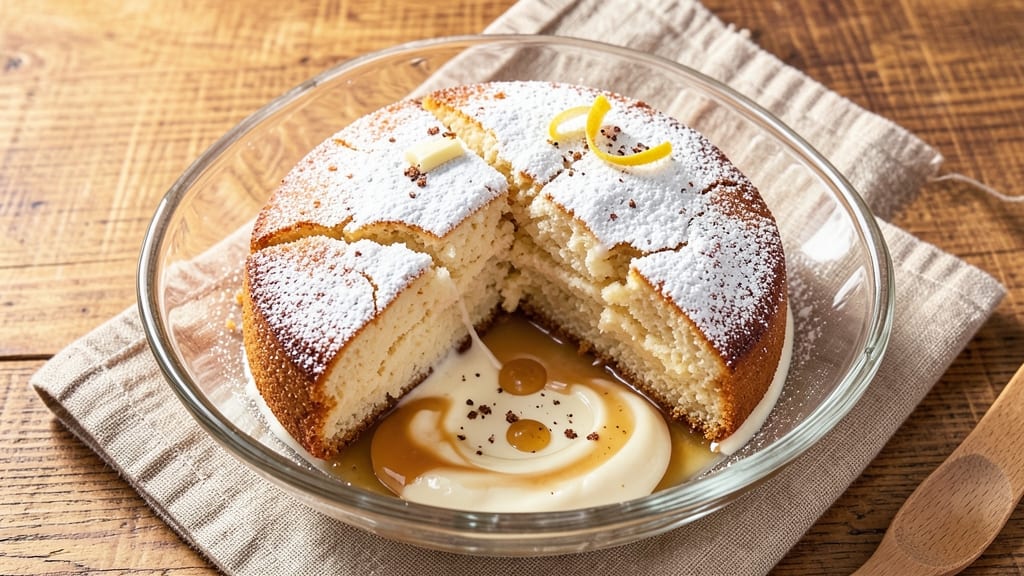
A moist cake recipe using powdered milk delivers restaurant-quality results without extra eggs or complicated techniques. I developed this after years of testing—powdered milk creates tender layers that stay fresh for days, perfect for birthdays or impromptu celebrations.
The secret lies in its ability to retain moisture while adding subtle richness.
This recipe transforms simple pantry staples into a cake with ultra-moist layers and a delicate crumb. Powdered milk replaces liquid milk while enhancing flavor and texture, making it ideal for home bakers who want foolproof results. No special equipment needed—just a bowl, whisk, and oven.
The powdered milk works magic by absorbing liquid gradually, preventing dryness while keeping the cake tender. Baked at 350°F for 30-35 minutes, this cake stays moist even after cooling. Perfect for layering with frosting or serving plain with fresh fruit.
Whether you're baking for a special occasion or a weeknight treat, this recipe delivers restaurant-quality results with minimal effort. The powdered milk ensures every slice stays perfectly moist—no one will guess it's egg-free. Let's get baking!
Ingredients for cake recipe with powdered milk
Powdered milk transforms simple pantry staples into ultra-moist layers without eggs or complexity.
| Ingredient | Amount | Notes |
|---|---|---|
| All-Purpose Flour 🌾 | 2 cups | Sifted for light texture |
| Powdered Milk 🥛 | ½ cup | Non-fat preferred for moisture |
| Granulated Sugar 🍚 | 1 ½ cups | White or light brown |
| Unsalted Butter 🧈 | 1 cup | Room temperature, full-fat |
| Large Eggs 🥚 | 2 whole | Room temperature for even mixing |
| Vanilla Extract 🌿 | 1 tbsp | Pure, high-quality extract |
| Baking Powder 🧂 | 1 tsp | Aluminum-free preferred |
| Salt 🧂 | ½ tsp | Diamond Crystal kosher |
| Vegetable Oil 🫒 | ¼ cup | Light, neutral flavor |
| Hot Water 💧 | ½ cup | Near boiling for activation |
| Lemon Zest 🍋 | 1 tbsp | Freshly grated for brightness |
The powdered milk is the game-changer here. Store-brand or Nestlé both work, but avoid ultra-pasteurized varieties—they lack the moisture-binding properties. For best results, use non-fat powdered milk, which enhances tenderness without altering flavor. The butter should be room temperature—press it gently to confirm it yields slightly when pushed. If you're in a rush, microwave it for 20 seconds to soften. The flour must be sifted to prevent dense layers; King Arthur or Gold Medal brands are ideal for their consistent protein levels.
No powdered milk? Substitute with 1/2 cup milk powder plus 1/2 cup all-purpose flour, though texture may vary slightly. Running low on vanilla? Almond extract at half the amount adds depth, though it alters the profile. The baking powder must be fresh—if it's over a year old, replace it entirely. For a citrus twist, swap lemon zest for orange zest at double the amount. The vegetable oil can be replaced with melted butter, but it may slightly darken the crumb. Always measure flour by scooping and leveling—never scooping directly from the bag.
Store the cake in an airtight container at room temperature for 2 days or refrigerate for up to 5 days to preserve moisture. For longer storage, slice and freeze individual portions for up to 3 months. The powdered milk mixture can be prepped ahead and refrigerated for 24 hours before baking. To revive stale cake, sprinkle with a little water or milk and rewarm in the oven for 5-10 minutes.
Why You'll Love This Recipe
- No Fuss, No Fail: Honestly, this cake comes together in one bowl—no sifting, no extra mixing. Just fold the powdered milk into the flour, cream the butter and sugar until light, and you’re halfway there. Even if you’re not a baker, the eggs hold everything steady so it doesn’t collapse.
- Creamy Without the Fuss: That powdered milk? It’s the secret weapon—gives the crumb a tender, almost custard-like richness without needing extra fat. The butter adds just enough melt-in-your-mouth richness, and the sugar caramelizes into that perfect golden crust. (Yes, even on a Tuesday night.)
- Pantry Staple Magic: Between us, this recipe uses things you already have—no specialty ingredients, no last-minute grocery runs. Swap in vanilla extract for depth, or a splash of milk if the powdered version feels too dry. It’s the kind of cake that works for birthdays, potlucks, or just because you’re craving something sweet.
Step-by-step instructions for ultra-moist powdered milk cake
This method delivers tender, ultra-moist layers by leveraging powdered milk's moisture-retaining properties.
Prepare the Powdered Milk Mixture
In a medium bowl, whisk together the 0.5 cup powdered milk and 0.5 cup hot water until completely dissolved. This creates a liquid base that mimics the moisture properties of eggs while adding richness. The mixture should be smooth with no lumps—if you see any, whisk vigorously for another 30 seconds. Set this aside to cool slightly while you prepare the butter mixture.
Here's the thing about powdered milk—when properly hydrated, it creates a tender crumb that stays moist for days. The hot water activates the milk proteins immediately, which is why we don't want to let it sit too long before using. The temperature should be just warm to the touch, not scalding.
Cream Butter and Sugar for Maximum Tenderness
In a stand mixer fitted with the paddle attachment, beat the 1 cup unsalted butter and 1.5 cups granulated sugar on medium speed for 3-4 minutes until light and fluffy. You're looking for a color change from pale yellow to nearly white and a volume increase of about 50%. This aeration is crucial for creating the cake's signature tender crumb.
The reason we wait until the mixture becomes pale is that cold butter absorbs into the flour instead of creating that airy structure we want. Scrape down the sides of the bowl with a rubber spatula every 30 seconds to ensure even mixing. The butter should be smooth with no graininess when you press between your fingers.
Incorporate Wet Ingredients for Perfect Texture
Add the 2 whole large eggs, one at a time, mixing on low speed after each addition until fully incorporated. Then add the 1 tbsp vanilla extract and mix for another 10 seconds. The mixture will look slightly curdled at first, but don't worry—this will resolve when we add the dry ingredients. Next, pour in the powdered milk mixture and mix on low speed for 30 seconds until just combined.
This is where the magic happens: the powdered milk mixture replaces some of the moisture typically provided by eggs, while the vegetable oil we'll add next creates that signature tender crumb. The key here is to mix just until combined—overmixing develops gluten and leads to tough cake. You should still see some flour streaks when you lift the paddle.
Combine Dry Ingredients for Light Layers
In a separate bowl, sift together the 2 cups all-purpose flour, 1 tsp baking powder, and 0.5 tsp salt. This ensures even distribution and prevents lumps. With the mixer on low speed, gradually add the dry ingredients to the wet mixture, alternating with the 0.25 cup vegetable oil. Mix on low speed for 20-30 seconds until just combined—again, you should still see some flour streaks. Fold in the 1 tbsp lemon zest by hand with a rubber spatula.
The lemon zest adds brightness that balances the richness of the butter and powdered milk. Be gentle when folding—you're just looking to distribute the zest evenly without developing any gluten. The batter should be thick but pourable, similar to cake batter. If it looks too thick, you can add 1-2 tablespoons of milk mixture to loosen it slightly.
Bake for Perfectly Moist Layers
Preheat your oven to 350°F and grease two 8-inch round cake pans (or line with parchment rounds). Divide the batter evenly between the pans. Bake for 25-30 minutes or until a toothpick inserted into the center comes out clean. The cake should spring back gently when pressed in the center—this indicates proper doneness.
Here's where precision matters: the cake should be just set in the center but still slightly underdone at the edges. If you bake it too long, the powdered milk's moisture will evaporate, leaving you with dry cake. Let the cakes cool in the pans for 10 minutes, then transfer to a wire rack to cool completely before frosting. The cooling process allows the moisture to distribute evenly throughout each layer.
Pro Tips For Making Cake Recipe With Powdered Milk
- MEASURE BUTTER COLD: I learned this the hard way—soft butter melts unevenly in the batter, leaving greasy pockets that make the cake dense. Scoop it straight from the fridge (or freeze it 10 minutes first), then cut into cubes. No need to be exact: just eyeball the weight by comparing to your measuring cups.
- WHISK EGGS ROOM TEMP: Cold eggs mix like glue in this batter, and the cake turns out gummy. Pop them in warm water for 5 minutes before cracking—just enough to make them yield easily. Skip the microwave; a bowl of hot tap water works fine, and you’ll avoid rubbery texture.
- SIFT FLOUR WITH MILK: Powdered milk clumps like snow when mixed dry, and those lumps sink to the bottom. Sift the flour and powdered milk together first, then add sugar. This cuts out the gritty texture and ensures even distribution—no one wants a cake with milk pockets.
- BAKE UNTIL 190°F: The cake might look done at 180°F, but pull it too soon and it’ll collapse as it cools. Use an instant-read thermometer: aim for 190°F in the center. If you don’t have one, press a toothpick in—it should come out clean but the cake should still feel slightly springy.
Health benefits of this dish
Moisture Magic
The powdered milk in this recipe works like a moisture sponge, keeping your cake tender for days. When mixed with hot water, it creates a liquid that mimics eggs while adding subtle richness without extra fat.
This is especially helpful for home bakers who struggle with dry cakes—no more tough, crumbly results! The powdered milk also helps the cake stay fresh longer, making it perfect for busy weeknights or last-minute celebrations. 💧
Protein Powerhouse
Powdered milk contains complete protein, providing all nine essential amino acids your body needs. A ½ cup serving delivers about 12 grams of protein, more than many commercial cake mixes. This makes it a great option for post-workout treats or when you need a protein boost without heavy ingredients.
The protein also contributes to the cake's structure, helping it hold its shape beautifully.
Calcium Boost
This recipe gives you a surprising calcium boost—powdered milk contains about 30% of your daily calcium needs per serving. Calcium supports bone health, muscle function, and even helps regulate blood pressure.
It's a sneaky way to get more of this essential mineral without adding dairy directly to your diet. I always feel better knowing I'm getting nutrients while enjoying something delicious. 💪
Lactose-Friendly Option
For those with lactose sensitivities, this cake is surprisingly gentle. Powdered milk contains less lactose than regular milk, making it easier to digest for many people. The heat from baking further reduces lactose content, so you get all the benefits without the usual discomfort.
It's one of my go-to recipes for guests with dietary restrictions—they never guess it's made with dairy!
Energy Stability
The combination of powdered milk and complex carbs from flour provides steady energy release. Unlike refined sugar-heavy cakes, this version keeps blood sugar levels more stable, preventing energy crashes.
The protein and fat from the butter also help slow digestion, making it a satisfying treat that won't leave you hungry an hour later. Perfect for after-school snacks or office celebrations!
Nutrition facts
Frequently asked questions
Why does powdered milk make this cake so moist?
The powdered milk absorbs liquid gradually, creating a sponge-like texture that locks in moisture longer than regular milk. When mixed with hot water, it activates proteins that hold onto water molecules, preventing dryness. This is why your cake stays tender for days!
Can I substitute regular milk for powdered milk?
Not directly—powdered milk has different moisture properties. For a 1:1 substitution, mix ½ cup powdered milk + ½ cup all-purpose flour to replace 1 cup liquid milk. However, the texture may be slightly denser. The recipe relies on powdered milk's unique ability to retain moisture while adding richness.
How do I fix a cake that's cracked on top?
Cracking usually happens from overbaking or sudden temperature changes. If it's minor, frosting will hide it! For severe cracks, brush with simple syrup (equal parts sugar and water) to restore moisture. Next time, check for doneness at 25 minutes—the cake should spring back when gently pressed, not feel firm.
Does this recipe work in high-altitude areas?
Yes, but adjust baking time and temperature. Increase oven temp to 375°F and reduce bake time by 5 minutes. For extra insurance, add 1 tbsp cornstarch to the dry ingredients. Powdered milk helps stabilize the structure, but altitude can still affect rise—keep an eye on it after 20 minutes.
Can I make this cake without eggs?
This recipe already skips eggs by using powdered milk for moisture! The hot water activates the milk proteins to mimic egg functionality. If you need to remove eggs entirely, the powdered milk mixture replaces their binding properties perfectly—no substitutions needed. The texture remains ultra-moist and tender.